Blog

All Dirt Werx LLC Blog Data Center Construction Dirt Werx Service
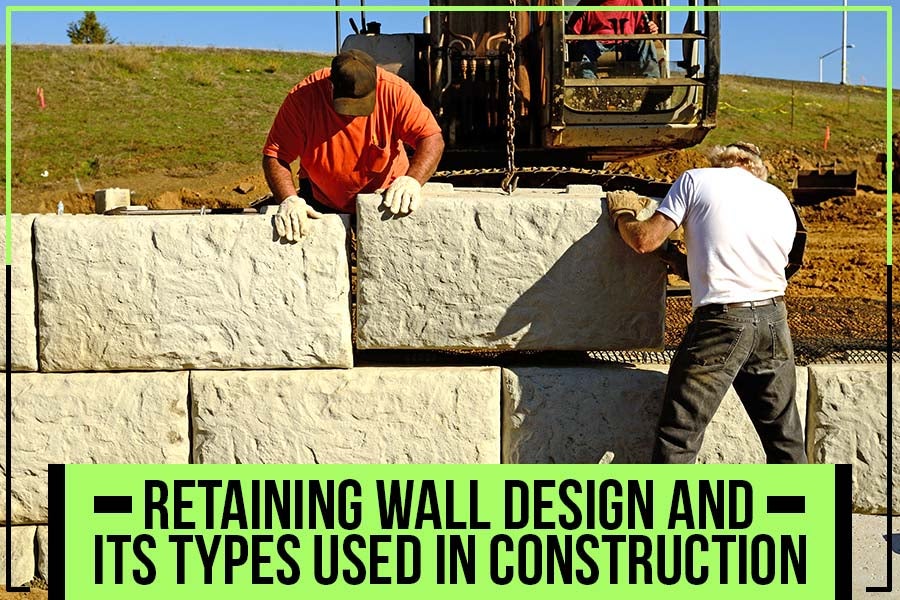
Retaining Wall Height. Dirt Werx

Retaining Walls - How High Should My Wall Be?

Key Takeaways: The primary purpose of retaining walls is to resist the lateral pressure of soil and protect against erosion. The soil type and conditions play a significant role in determining the height of the retaining wall. If the soil is loose, it will require a taller retaining wall to prevent erosion. Building codes and regulations vary from region to region. It is essential to consult with local authorities to determine the It is recommended to seek professional advice and consultation from experienced retaining wall construction experts. There’s something particularly eye-catching and beautiful about a retaining wall in a person's yard. Whether it is the faint lines of stone, ceramic tile, or concrete – each level is carefully connected with mortar to create a long-standing structure with one purpose - to move the earth and separate two distinct areas. But before embarking on such a project, there needs to be careful consideration taken so not only will your design last for years but for safety purposes too! So, what are some things you need to consider when determining how high should your wall be? In this blog post, construction experts from Dirt Werx LLC will discuss different factors to consider when determining the height of a retaining wall. Why Do You Need a Retaining Wall? The primary purpose of retaining walls is to resist the lateral pressure of soil and protect against erosion. They also safeguard against flooding, create a level area, or add an aesthetic touch to your yard. Depending on why you need a retaining wall will determine how high it should be. Factors To Consider When Determining the Height of a Retaining Wall Several factors should be considered when determining how high your retaining wall should be considered. Soil Type and Conditions The soil type and conditions play a significant role in determining the height of the retaining wall. If the soil is loose, it will require a taller retaining wall to prevent erosion. On the other hand, if the soil is compact, a shorter wall may be sufficient. Purpose of the Retaining Wall The purpose of the retaining wall should also be taken into account. If the wall is being built for decorative purposes, it may be smaller than a wall for functional purposes such as erosion control or property line retention. Local Building Codes and Regulations Building codes and regulations vary from region to region, and it is essential to consult with local authorities to determine the maximum height of a retaining wall allowed in your area. Property Line Restrictions Property lines may also limit the height of the retaining wall. Sometimes, the wall may need to be shorter to comply with property line regulations and avoid disputes with neighbors. Aesthetic Considerations The retaining wall's height should also consider the overall look and feel of the property. A tall retaining wall may be unsightly and detract from the property’s aesthetic. In contrast, a shorter wall may blend in better with the surroundings. Considering these factors will help you determine the ideal height for your retaining wall, ensuring that it serves its intended purpose while complementing your property’s overall look and feel. Also Read: Retaining Wall Design And Its Types Used In Construction The Benefits of a Retaining Wall Erosion Control One of the primary benefits of a retaining wall is its ability to control erosion, particularly in areas with loose soil or steep slopes. A retaining wall helps to stabilize the soil, preventing it from sliding or eroding. Increased Property Value A well-constructed retaining wall can also increase the value of your property by providing an attractive and functional landscaping feature. It can also create usable outdoor space, such as a terraced garden or outdoor living area. Flood Control A retaining wall can help prevent flood damage in areas prone to flooding by directing water away from buildings and other structures. Landscape Design Retaining walls can also be used to enhance your landscaping design. They can create tiered gardens, water, and other visually appealing features. Increased Privacy Besides adding visual appeal, retaining walls can provide increased privacy for your property. By blocking views and creating a sense of separation, a retaining wall can increase the privacy and security of your property. What Should the Ideal Height of a Retaining Wall be? Assessing the Site To determine the ideal height for your retaining wall, you should assess the site and consider the factors mentioned in the previous section. It will give you an idea of the challenges and requirements of your retaining wall project. Seeking Professional Advice and Consultation It is recommended to seek professional advice and consultation from experienced retaining wall construction experts, who can provide a more accurate assessment of the site and help you determine the ideal height for your retaining wall. Balancing Advantages and Disadvantages Once you know the maximum height allowed by local regulations, you can balance the advantages and disadvantages of different height options. For example, a taller retaining wall may provide better erosion control. Still, it may also be more expensive and take up more space. Consider Future Needs Consider any potential needs for the retaining wall, such as landscaping or other changes. A taller wall may provide more flexibility for future changes. Bottom Line The height of a retaining wall is a crucial consideration when building or renovating a property. It is vital to seek professional advice and consultation and consider any future needs before making a final decision. Investing in a retaining wall can be a valuable addition to any property. With the right height and design, it can enhance the look and functionality of your property for years to come. Dirt Werx LLC offers Quality Retaining Wall Construction Services in Bangor! If you're considering a retaining wall for your property, working with experienced professionals is essential. They can help you determine the ideal height and design for your needs. Our team at Dirt Werx LLC offers a wide range of retaining wall construction services, including site assessment, design and planning, and expert installation. We use only the highest quality materials and techniques to ensure the longevity and stability of your retaining wall. Our services include excavation, demolition, land clearing, and site preparation. So why wait? Contact us today to get a free estimate and learn more about how we can help you achieve your retaining wall goals.

Make Construction Cost-Effective With Site Prep.

Make Construction Cost-Effective With Site Prep

Key Takeaways: Site preparation is the most significant portion of construction costs, especially in metropolitan areas. It is the process of preparing a site for construction. It involves clearing the site, surveying the land, testing soil, grading the land, and accessing utilities. It is essential because it helps ensure a level foundation, improves landscaping, and reduces construction costs and inefficiencies. Hiring professional contractors for the preparation process is recommended as they have access to modern tools and experienced workers, which can result in efficient construction and cost savings. Construction projects can be complex and costly, with many variables impacting the budget and the timeline. One of the biggest challenges in construction is controlling costs, which is where site preparation comes in. A recent study indicates that it is the most significant portion of construction costs, especially in metropolitan areas. By effectively preparing the site and considering all aspects of the project, construction teams can reduce costs and ensure a more efficient build. Dirt Werx LLC will delve into details of site prep and how it makes construction cost-effective. What Is Site Preparation? For any construction project, you must first prepare the site. It includes grading, removing existing structures and obstacles, stabilizing the soil for a foundation, or preparing for landscape or utilities. Site preparation is necessary for any construction project because it provides the groundwork and substrate needed to begin building. In addition, it helps reduce costs and improve the project's overall efficiency. Significance of Site Preparation in Construction Projects 1. Efficient Construction It ensures that construction projects are completed efficiently, on schedule, and within budget. It also helps maximize the use of resources and materials, saving money in the long run. 2. Establish a Level Foundation Site prep helps stabilize the soil and create a level foundation for the structure to be built. It also helps minimize subsidence and other foundational issues by ensuring that drainage systems are properly installed and working correctly. 3. Improved Landscaping Preparing your site before construction can help improve landscaping possibilities later on. To enhance your property's aesthetic, soil stabilization techniques can create more usable space for gardens, trees, and other features. 4. Easier Access to Utilities Having your site prepped before construction makes accessing utility lines such as water, gas, and electricity easier. With it, the contractor can plan to lay down the necessary lines and pipes before any construction takes place, making it easier and faster to connect utilities later. 5. Cost-Effectiveness Perhaps the most crucial benefit of the preparation process is how much money it can save in the long run. Without proper site prep, major foundation issues could arise during or after construction that needs expensive repair work. Hiring an experienced professional contractor for site prep ensures you get the most cost-effective solution possible while minimizing potential problems. What are the Essential Factors in Carrying Out Site Preparation? Now let's look at the essential factors to consider when carrying out site prep: 1. Understanding of Local Terrain and Soil Conditions A thorough understanding of the local terrain, weather conditions, and soil type is necessary before any construction occurs. An experienced contractor will be able to recognize potential problems that could arise from these factors and provide the best solution for them. 2. Project Size and Scope The size and scope of the project play a significant role in determining how much site prep is necessary. An area already prepared for construction may require less earthmoving than one with no existing infrastructure. 3. Environmental Impact Assessment An environmental impact assessment is critical for site prep as it helps minimize potential adverse environmental effects. A professional contractor should be able to provide this assessment and ensure that all work undertaken meets local laws and regulations relating to the issue. 4. Project Nature The nature of the project will also impact the preparation process. If the land is intended for residential or commercial use, different types of practice may be necessary compared to that required for industrial projects. Steps to Prepare for Site Preparation Step 1: Site Clearing The first step is to clear the land. It may involve removing trees, stumps, plants, and debris from the area that will be used for construction. Step 2: Site Surveying This stage calls for the construction team to survey and analyze the land, which is crucial in obtaining zoning approvals and permits. It involves calculating boundaries for setting up buildings and other structures on site and optimizing utility connections. Site surveying ensures that every central element of your build is done right from day one. Step 3: Soil Testing The soil testing process is an essential phase of site prep. It involves analyzing and assessing the subsurface soils, which provides essential information about the existing conditions of the ground. It helps to determine factors like drainage, stability of foundations, and other key elements that affect how a structure will be built. Step 4: Grading Grading is crucial as it includes flattening land by removing dirt or filling it up with new material so your building can have a solid foundation. Depending on the grade of your land, you may need to do some backfilling or surface grading to prepare for any construction project. Why Hire Professional Contractors for Efficient Construction? When getting the most out of your construction effort, certain advantages come with professional contractors. Professional contractors have access to modern tools and equipment and experienced workers who know how to work around challenging site conditions. Additionally, many professionals have expertise in various areas, such as excavation or foundation preparation. As a result, they can provide more efficient solutions for any given project. Hiring expert contractors can help you save time and money by ensuring that the job is done right from the start. Experienced professionals will ensure that your construction project meets all relevant building codes and standards, which ultimately helps avoid costly repairs down the line. Related: Homeowner’s Guide: Differences Between Trenching & Excavation Conclusion Preparation is the first step of any construction project. It involves assessing the site and ensuring that it meets all requirements for building and completing any essential grading or excavation to make the area suitable for construction. Hiring a professional contractor for site prep can save time and money in the long run. Taking these steps ensures that your construction project runs smoothly from start to finish and keeps costs down. Ultimately, this will help you make construction cost-effective again! Ensure Property Site Preparation with Dirt Werx LLC in Mount Bethel, PA Before adding any structure to a property, Dirt Werx LLC in Mount Bethel, PA, will ensure that the land is cleared and ready for construction. Our team of experienced professionals will take the time to evaluate your project area and determine what steps need to be taken for optimal site preparation. We offer extensive services, including land grading, excavation, and more. Get in touch with us to get a free estimate for your construction project.

Landscape might smells like a septic tank

Landscape Smells Like The Loo - Septic Tank Leaks!

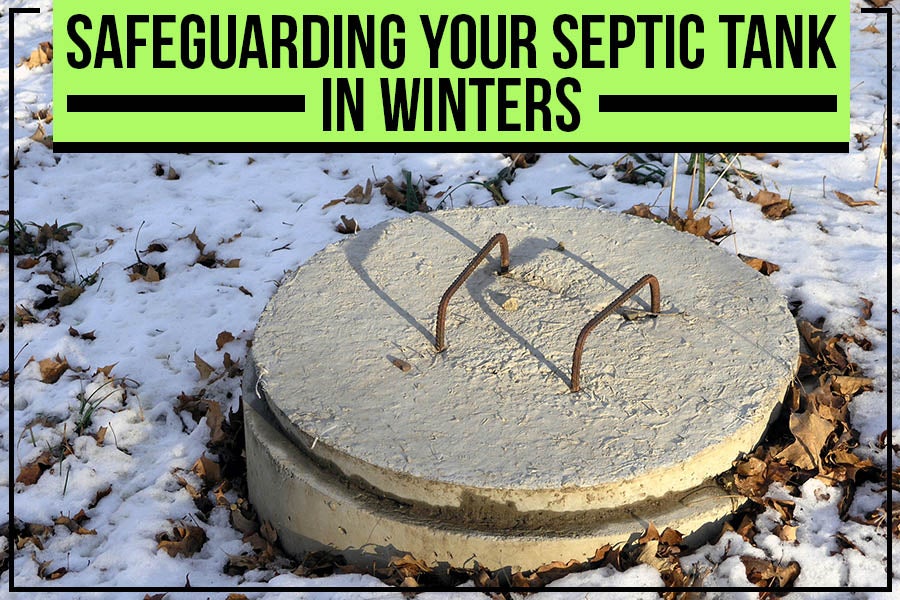
Key Takeaways: Septic tank leaks can occur due to overloading, poor maintenance, and worn-out parts. Leaks can cause various issues, including odors in the landscape and groundwater contamination. Excavation professionals are essential for adequately inspecting, repairing, and maintaining a septic tank leak. They are knowledgeable about industry standards and safety protocols for septic tanks. Investing in regular maintenance with excavation professionals is critical to avoiding costly repairs down the line. The last thing anybody wants is the stench of a septic tank leak in their yard. The distinctive, unpleasant smell can quickly turn your landscaping into an unwelcoming environment and hinder outdoor activities. Many property owners experience this at some point due to septic system malfunctions or blocked sewers. If you're a property owner who faces such issues, contact excavation experts at the earliest to get your septic tank maintenance done on time. However, knowing the causes behind this stinky mess and taking preventative steps will keep your landscapes fresh and help you avoid unpleasant smells. This blog post discusses why leaks occur and shares tips on identifying them before they become severe problems. What Are Septic Tanks, And Why Are They Used? Septic tanks are large, underground holding tanks that contain wastewater from homes and businesses. Natural biological processes break down the wastewater inside the septic tank. These tanks are commonly used when a property does not have access to municipal sewer systems or if the homeowner wishes to keep their sewage onsite. Causes And Effects of Septic Tank Leaks Septic tank leaks can occur for various reasons, including broken pipes, tank failure, cracked lids or bases, and the accumulation of sludge inside the tank. Leaking septic tanks can cause serious environmental problems. In addition to releasing noxious odors into your home or yard, leaking septic tanks can contaminate soil and groundwater with potentially hazardous chemicals and bacteria. Related: Is your septic tank harming or helping the environment? Where Do Septic Tank Leaks Occur? At Damaged Sewer Piping Points Leaks can occur in septic tanks and the drain field. This includes the area where wastewater is dispersed or at any spot along the underground piping used to transport sewage from your home. At The Sewer Line Entrance or The Effluent Line Leaving the Tank The most common septic tank leakage occurs at the entrance or effluent line leaving the tank. This type of leak often comes from a crack in the pipe or a joint that has come apart. Septic Tank Cover or Clean-Out Port Another common place for septic tank leakage occurs at the cover or clean-out port. This leak can be caused by corrosion of the cover or pipe, leaks from a damaged seal, or even increased water pressure in the tank. Damaged Plastic Septic Tanks or Fiberglass Tanks Septic tanks made of plastic or fiberglass can also be prone to leakage. These tanks are typically much thinner and more brittle than concrete septic tanks, so they can quickly become cracked or warped over time. Cracks In a Concrete Septic Tank Concrete septic tanks can also be damaged, leading to septic tank leakage. Over time, the concrete in a septic tank will gradually break down and become weaker, allowing cracks to form. These cracks can allow sewage and water to escape from the tank and contaminate nearby soil or groundwater. Excavation experts can inspect a septic tank for signs of damage and help to determine whether repairs are needed. If excavation is required, experts can safely dig around the septic tank and make necessary repairs or replacements. They will also be able to check for leaks in a septic tank using specialized leak test standards. What Are Septic Tank Leak Test Standards? Septic tank leak test standards are a set of measurements used to determine if a septic tank is leaking. Excavation experts measure the water level inside the tank and compare it to standard measurements. If the water levels exceed these standards, further excavation may be necessary to identify cracks or openings in the septic tank that allow water leakage. Once any cracks or holes have been identified, excavation experts can seal or repair them, thereby preventing future leaks. In addition to locating and repairing cracks in a septic tank, excavation professionals can help with septic tank maintenance. They can do this by cleaning out debris and residue that can accumulate over time and cause clogs or backups in the system. If not repaired promptly, septic tank leaks can cause various issues, such as soil erosion, contamination of drinking water, and damage to areas around the septic tank. Therefore, it is essential to take proper care and conduct regular septic system inspections to prevent these unwanted problems. How Often Do Septic Tanks Leak? The frequency of septic tank leaks depends on the age and condition and how often it is serviced. Generally speaking, septic tanks should be inspected every 3-5 years by professionals to identify any existing or potential problems. In addition, many municipalities require an annual leak test to ensure that all regulations are met. What Can You Do to Fix the Issue? Diagnose The Flooded Septic Tank Diagnose the tank to determine the exact cause of the leak. Excavation professionals can help you repair and patch up the septic tank if it's a crack. They can also use special tools like water pressure sensors to detect other septic tank leaks properly. Reasons To Hire Excavation Experts Suppose your septic tank needs excavation services. In that case, excavation experts can safely and efficiently carry out all the necessary septic tank maintenance tasks. These are required to keep your entire septic system functioning correctly. Furthermore, they know industry standards for septic tanks, including proper testing procedures and leak test standards. This ensures that the repairs are performed correctly and meet safety protocols. By having an excavation expert inspect and maintain your septic tank, you can help avoid costly repairs in the long run. With their expertise and knowledge, excavation professionals can adequately repair any leaks in the septic system and prevent future damage caused by a leaking tank. Dirt Werx LLC offers a vast range of excavation-related services in Nazareth, PA. With our vision, we will turn your construction vision into a reality. Get a free estimate today!

What are the risks of constructing without proper land grading.

Is It Okay To Construct Without Land Grading?

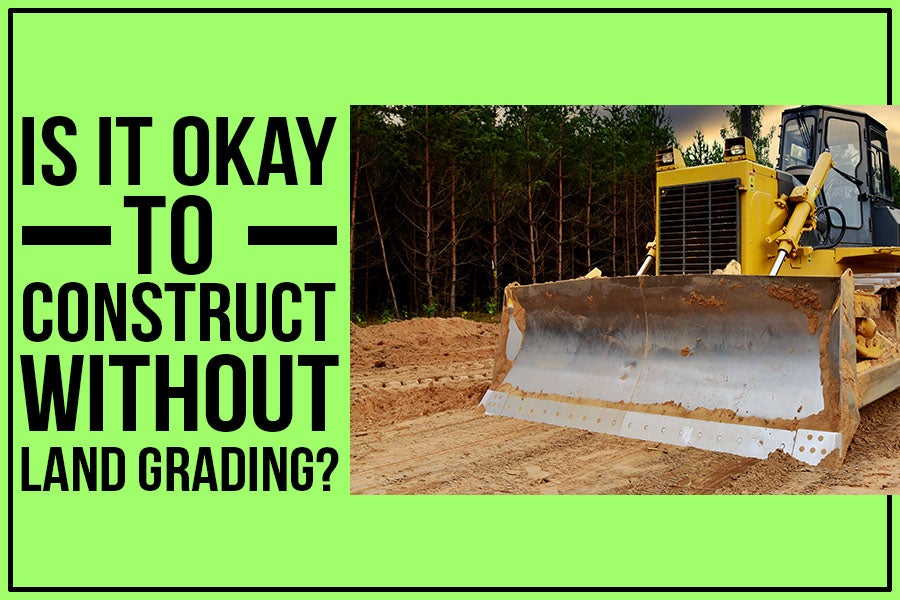
Key Takeaways: Grading is the process of smoothing out an area for construction. It involves removing, adding, and moving dirt to create a level surface. The primary purpose of grading is to ensure that whatever structure you're building has a stable foundation. With proper grading, your project can have a strong foundation, free of air pockets or other areas that could cause instability. Suppose the land is not graded, and certain areas are left with higher elevations. In that case, it could lead to flooding in other areas, eventually damaging whatever structure you’re building. Have you ever found yourself confronted with an important decision about a construction project? Do you have to decide whether land grading is necessary for the structure? Is it safe to construct without leveling out the area first? These are essential questions that many prospective builders need answers to, and today we'll explore the potential risks of needing to properly prepare the land before constructing. Construction experts at Dirt Werx LLC will look at what types of structures require professionals for proper grading and when it's all right to take on a challenge without these added complexities. It's time to educate ourselves on a critical task so that our projects stay safe and their foundations remain secure! Read on! What is Land Grading? It is the process of smoothing out an area for construction. It involves removing, adding, and moving dirt to create a level surface. Grading can also ensure that water runoff is adequately managed on the land. Generally, hiring professionals when taking up large projects is recommended, as they are experienced with calculating the exact depths needed in different areas. It typically begins by establishing a benchmark or reference point, such as a benchmark elevation, which is used to determine the desired grade or slope of the land. Next, the land is surveyed to determine the angle or slope. Any discrepancies between the existing and expected grades are identified. The process involves using heavy machinery, such as bulldozers, excavators, and grading equipment, to cut, fill, and level the earth to achieve the desired grade or slope. This process can be done manually or with the help of computer-controlled equipment, which allows for precise grading and leveling. What Does Land Grading Do? The primary purpose is to ensure that whatever structure you're building has a stable foundation. Without proper leveling, the ground underneath could be uneven or have air pockets which may cause movement or instability over time. Water management through grading is vital so that any built environment doesn't become vulnerable to flooding or water-related damage. Why is Grading Important? 1. Strong Foundation An important reason to ensure grading is done properly and accurately is that your project can have a strong foundation. It also frees any air pockets in the ground or other areas that could cause instability. 2. Protection From Damage Another important factor in grading is ensuring proper water management. Suppose the land is not graded correctly, and certain areas are left with higher elevations. In that case, it could lead to flooding in other areas, eventually damaging whatever structure you’re building. 3. Better Aesthetics Grading also helps provide better aesthetics for the area. When done properly, it can provide seamless transitions between different elevation levels, creating a visually pleasing look for any construction project. 4. Cost Savings One of the main advantages is that it can save you money in the long run. When done properly, it can reduce extra material being used in a construction project and help minimize any potential damage that could occur down the line. Also Read: Homeowner’s Guide: Differences Between Trenching & Excavation 5. Risk Reduction Suppose asphalt pavement isn't inspected and maintained regularly. The chances of premature failure increase significantly. You should perform regular maintenance such as seal coating, crack filling, pothole repair, and resurfacing to maintain the life of the pavement and reduce overall costs associated with repairs or replacements. Additionally, good maintenance practices will prevent more severe damage from occurring over time. It is important to note that grading can also hurt the environment if not done properly. It can cause soil erosion, sedimentation, and damage to natural habitats. For this reason, it is vital to have a professional contractor who is familiar with the local regulations and can ensure that the work is done in a way that is safe for the environment. Can You Construct Without Land Grading? Yes, it's possible to construct without grading, although it's not recommended in most cases. Since the purpose is to create a stable foundation and ensure proper water management, these tasks must be done correctly for any structure to stand over time. If the land is not graded properly, it could lead to issues down the road, such as instability or flooding. Therefore, it is best practice for all construction projects to include grading to lay a strong foundation and prevent future problems. Bottom Line In conclusion, while it is possible to construct without grading, professionals typically advise against doing so as it could lead to instability or flooding down the road. Proper land grading ensures the area is level, clears excess vegetation and rocks, and can help with water management. Therefore, it is highly recommended that all construction projects include grading to ensure a strong foundation for any structure. Get Your Land Graded The Right Way With Dirt Werx LLC! Looking for experienced land grading services to ensure your construction project is done correctly? Look no further than Dirt Werx LLC. We specialize in land clearing, rough grading, and other important aspects of land preparation in Macungie and nearby areas. Our team will work with you to discuss the details of your project and provide a feasible plan that meets your needs and budget. Our services include excavation, demolition, land clearing, and site preparation. Get in touch today to get a free estimate and learn more about how we can make your construction project safe and successful!
maintaining a horse arena. Dirt Werx

How To Maintain A Horse Arena?

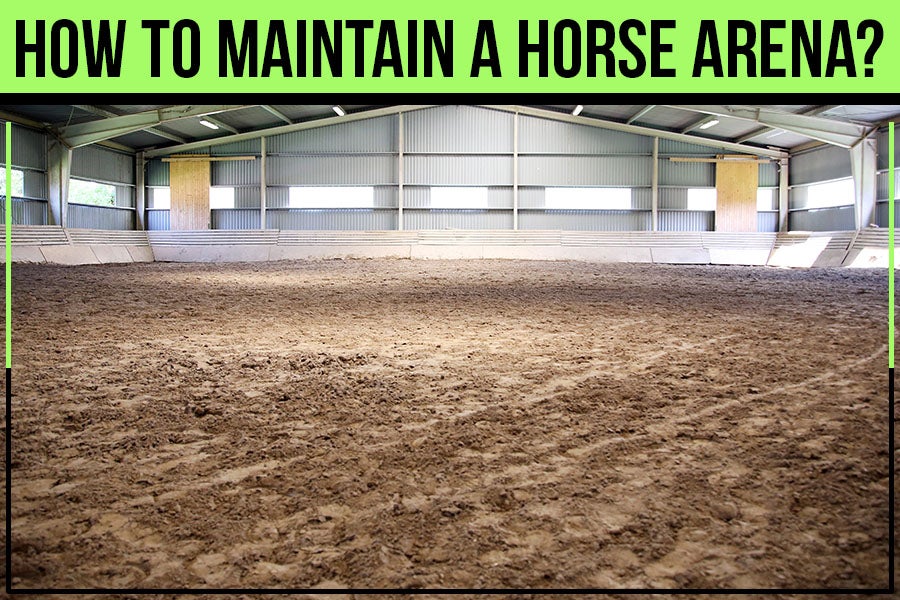
Key Takeaways: Footing sand and additives must be mixed throughout your horse arena's surface. In addition, it's essential to have the correct particle graduation for your horse arena footing. The arena should be groomed often to ensure the footing material is even and leveled. Regular inspections of your horse arena help you identify areas where additional maintenance might be necessary. Professionals can construct a quality, level surface that will work around obstacles or features in the horse arena. Maintaining a good riding arena is crucial to providing the best experience for horse riders. A muddy, rutted surface can lead to unhappy and frustrated horses, posing an increased risk of injury. That's why all aspects of the maintenance schedule must be followed correctly to keep your equestrian facility up to standard. Let's explore steps you should take when caring for your horse arena, including soil preparation, water management or installation, and more. Keeping Additives and Sand Mixed Footing Sand and Additives Footing sand and additives must be mixed throughout your horse arena's surface. The sand must remain blended with additives like rubber or synthetic fibers to maintain a healthy, safe, and consistent footing for your riders and horses. This blend creates a more stable base that helps keep dust levels low. Sand Particle Graduation In addition to having the right blend of sand and additives, it's essential to have the correct particle graduation for your horse arena footing. If the particles are too large, they can cause uneven surfaces or dislodged elements. If too much dust or silt is present, the horse arena footing may become overly loose. Arena Grooming The horse arena should be groomed often to ensure the footing material is even and leveled. You can use a harrow drag to break up clumps of material and remove debris that may have found its way into your horse arena surface. This grooming also helps smooth out any uneven spots in the ground material. You should hire experts as they understand the complexities of horse arena upkeep, arena grooming, and other excavation projects. Water The Horse Arena for Dust Control Installing An Irrigation System Irrigating a horse arena helps bind the particles, keeping the arena footing from becoming too dry or loose. Just be sure not to put excess water on the horse arena, as it can lead to mud and silt buildup, hurting the footing material. Installing Garden Hose Sprays If an irrigation system isn't an option for your horse arena, garden hose sprays are a great alternative. These can be set up to disperse water evenly throughout the arena surface, which helps control dust and creates a better environment for horses. For best results, it's recommended to use this method with regular maintenance, such as coring and grooming. This will help keep the footing material consistent so that your horse has a comfortable surface to perform on. Regularly rake or groom the surface of the horse arena. Raking or grooming is essential for maintaining the performance of your horse arena footing material. It helps reduce compaction, improves drainage and aeration, and helps keep the footing consistent. When raking or grooming, it's essential to spread the material evenly and remove any clumps or debris that could interfere with horse performance. Dragging Dragging the horse arena surface can keep the footing material uniform and consistent. It's essential to ensure that you use a drag harrow with the correct settings for your particular footing material. This helps keep the density of the surface material even and ensures optimal performance. Horse Arena Upkeep Schedule to Follow It's essential to have a regular upkeep schedule to ensure that the facility is well-maintained and safe for use. This will help you stay on top of potential problems before they become serious. Regular Inspection Regular inspections of your horse arena help you identify areas where additional maintenance might be necessary. These inspections should include a thorough check for any loose footing material, divots, excessive wear, or other signs of damage. It's also essential to inspect the fencing around the arena and ensure it is secure and in good condition. Weekly Inspection A weekly check of the arena is a great way to ensure everything looks good and functions properly. Inspecting the footing, fencing, lights, and other features will help you stay on top of any potential maintenance or safety issues. Additionally, any divots or holes in the riding surface can be filled in before they become significant problems. Yearly Inspection A yearly inspection should involve excavation experts who ensure the soil beneath the surface of the horse arena is stable and secure. They can also check for any signs of water damage or other structural problems that may have arisen over the past year. Horse Arena Maintenance Tips Here are some simple tips you can use to keep your horse arena in top shape: Clear debris like sticks, stones, leaves, and other objects that could cause injuries or tripping hazards. Check water drainage systems to ensure they are functioning correctly and not causing puddles or wet spots in some regions of the arena. Check the sand depth and quality, ensuring it is adequately maintained to provide a cushion for the horse's hooves while jumping or running in the arena. Regularly groom and level the arena's surface with a tractor, plow, or other suitable equipment to prevent dips and bumps that can cause injury to horses. Rake or drag between activities to spread out any footprints or tracks left by riders or animals using the arena. Are you looking for tips for hiring an excavation contractor? Read here. Reasons To Hire Professional Excavation Experts Excavation experts know precisely how to prepare a horse arena. They have the right equipment and skillset to ensure your horse's arena is ready for riding in the shortest amount of time while guaranteeing high-quality results. Additionally, excavation experts will be able to create a quality, level surface consistently and quickly. They will also be able to work around any existing obstacles or features in your horse arena that could hamper the excavation process. Finally, they also help maintain an even footing for your horse arena, helping prevent injuries due to dips or hills from walking on uneven surfaces. This is especially important for arenas where horses will jump, as these activities require stability. Dirt Werx LLC offers a vast range of excavation-related services in Easton, PA. With our vision, we will turn your construction vision into a reality. Get a free estimate today!

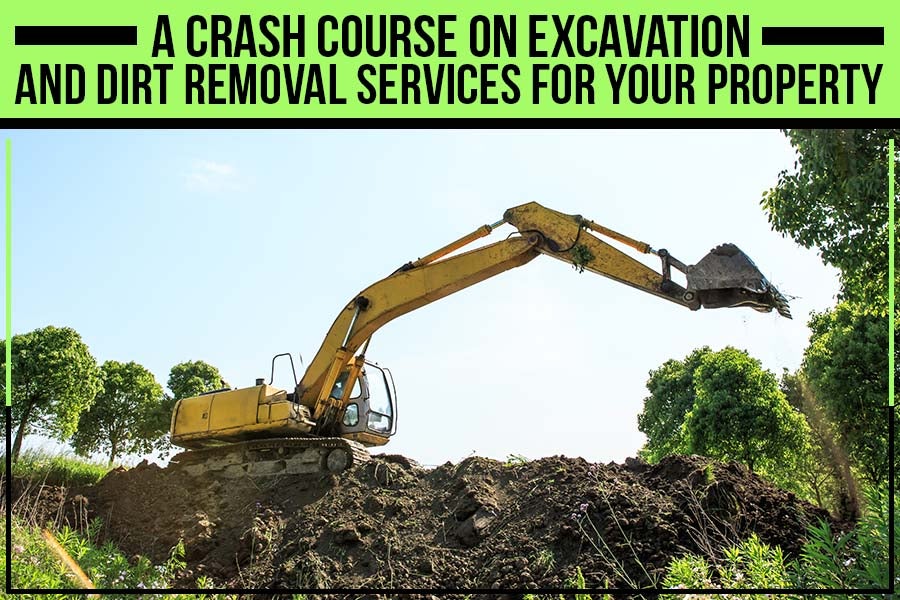
excavation and dirt removal services. Dirt Werx

A Crash Course On Excavation And Dirt Removal Services For Your Property

Key Takeaways: When looking for an excavation company, you should consider a few factors. First and foremost, make sure they are licensed and insured. Additionally, read reviews and ask for references from past clients. It’s also worth inquiring about their experience dealing with different projects. Research the type of work required for your project and ensure that the excavation company is well-versed in it before making a decision. Dirt Werx LLC offers excavation and dirt removal services to customers in Mount Bethel, PA, and the surrounding areas. When planning to construct a building, it helps to understand the various aspects of the construction process, such as excavation and dirt removal. However, since most people are not familiar with these aspects of construction, Dirt Werx LLC will give you a crash course in excavation and dirt removal services. We will discuss various aspects from the basics of what they are to considerations you need to make when choosing an excavation contractor. We'll also give you tips on getting the most out of your excavation service. What Are Excavation and Dirt Removal Services? Before understanding the importance of excavation and dirt removal services, you must first know what they are. Simply put, excavation is digging or cutting into the earth. It could be for various reasons, such as constructing a foundation for a building or installing drainage systems. Dirt removal services are essential because they help clear away all the dirt and debris that's been excavated. That's where a dirt removal service comes in handy. They have the experience and equipment to clear away all dirt and debris quickly and efficiently. Also, read our blog on knowing the difference between trenching and excavation. Benefits of Professional Excavation and Dirt Removal When it comes time to knock down that old shed, build an addition to your home or put in that new pool, you'll need a construction contractor. That's because excavation is a complex process best handled by experts. Why is professional excavation the best option? It ensures that the job is done safely and correctly. Construction contractors have the experience and knowledge to navigate the tricky terrain around your property, avoiding potential hazards and ensuring that the work is done efficiently. In addition, professional excavation often saves you time and money. By avoiding costly mistakes and working quickly and efficiently, construction contractor s can get the job done within your budget and on schedule. So if you're planning any major construction projects, call in the pros for excavation and dirt removal. How Are Excavation and Dirt Removal Services Different From Other Services? Excavation and dirt removal are services that often need clarification with other benefits. Many people think excavation is the same as demolition, but that is not true. Excavation is the careful and methodical removal of soil, earth, and other debris from a specific area. This service can be used for various reasons, including landscaping, construction, and more. On the other hand, dirt removal is the process of removing large amounts of soil or earth from a specific area. This service is often used in construction and landscaping projects when there is a lot of dirt to be moved. It can also clear a site for a new building or structure. These services are essential for anyone looking for work done on their property. It's important to know the difference between these services and the other services offered to get the best results for your project. Different Kinds of Excavation and Site Preparation Services 1. Site Clearing It involves removing vegetation, trees, brush, and other debris from a site in preparation for development. 2. Heavy Equipment Use Depending on the job, heavy equipment like loaders, bulldozers, and dump trucks can remove soil, rocks, and other materials. 3. Land Grading It is the process of leveling or smoothing the land for various purposes, such as minimizing water runoff or increasing usable area. 4. Earthwork It includes digging trenches, setting foundations, and ensuring proper drainage and preparation for construction afterward. 5. Excavation It is the digging out the soil to create an area suitable for building purposes. 6. Foundation Removal & Replacement If your existing foundation is cracked or otherwise damaged, it may need to be removed and replaced with a new one. No matter which service you choose, make sure that you hire an experienced construction contractor qualified to do the job properly and safely! Factors to Consider When Choosing an Excavation Company When looking for an excavation company, you should consider a few factors. First and foremost, make sure they are licensed and insured. This way, you have the assurance that they’re legitimate and have the necessary qualifications. Additionally, read reviews and ask for references from past clients. It is an excellent way to get real-life accounts of their work and what to expect when you hire them. A good company will be happy to provide you with a list of clients to whom they’ve previously offered services. It’s also worth inquiring about their experience dealing with different projects. Research the type of work required for your project and ensure that the excavation company is well-versed in it before making a decision. Ask them questions about the cost of their services, such as rental fees, labor costs, or any other additional charges, so that you can make an informed decision based on your budget. FAQs About Expert Excavation and Dirt Removal Here are some of the most commonly asked question about excavation and dirt removal: 1. What types of tools do you use? We use heavy equipment such as bulldozers, excavators, and trenchers to complete the job efficiently. 2. How long does the process take? It depends on the size of the property and the type of equipment being used, but most projects can be completed within a matter of days. 3. How much does it cost? Prices vary depending on how much work is needed, but you can typically expect to pay anywhere from a few hundred dollars to several thousand dollars. 4. Are there any safety precautions I should take? Yes, always make sure that you keep a safe distance away from any moving machinery or equipment during the excavation process. Click here to learn about trenching and excavation safety. Need Excavation and Dirt Removal Services in Mount Bethel, PA? So, if you need top-quality excavation and dirt removal services for your property, contact the experts at Dirt Werx LLC, serving Mount Bethel, PA. We'll be happy to help you get your property looking its best. Check out our services for your next project. Get a free estimate.

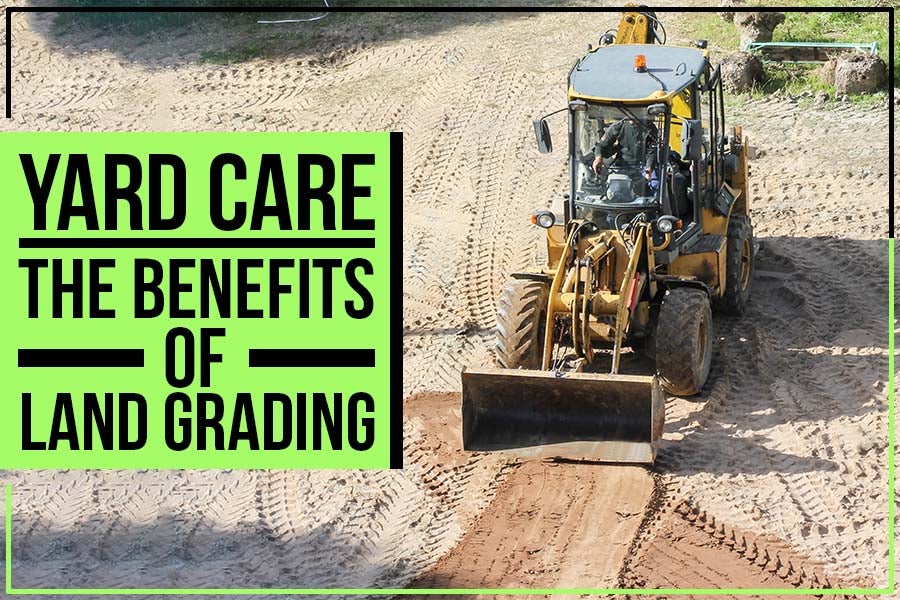
Land grading for optimal yard care.

Yard Care – The Benefits Of Land Grading

Key Takeaways: Land grading effectively improves the look and function of outdoor spaces while preventing potential damage from flooding or erosion. Before starting this project, you must understand all aspects of how land grading works and what type of soil you have to achieve optimal results without disrupting other areas of your lawn or garden too much. With proper planning ahead of time, this process can be simple and rewarding! Land grading professionals know how to grade a yard effectively so that homeowners are left with beautiful outdoor spaces free from waterlogging problems! Dirt Werx LLC offers landscaping and construction services to customers in Nazareth, PA, and the surrounding areas. Have you ever noticed puddles in your yard after heavy rain? Or do you have an area prone to pooling water during the spring and summer? If so, it may be time to grade your land. Land grading shapes or slows the ground to improve drainage and prevent waterlogging. Dirt Werx LLC will discuss the benefits of land grading. Land Grading Basics Land grading is reshaping the land's topography to help control drainage and aesthetic features. This process can involve adding or removing soil from certain parts of your yard, creating pathways for proper drainage, or even creating slopes for design purposes. Also, read our blog on the difference between trenching and site excavation. The Benefits of Land Grading A few key reasons why land grading is beneficial include erosion prevention, better water runoff management, and improved aesthetics. 1. Improved Drainage Grade your land, and you can reap the benefits of improved drainage and better soil composition. This process will help keep excess water away from structures like buildings, sidewalks, and driveways, as well as from underground pipes and electrical lines. It will also reduce erosion on your property by preventing runoff, which helps reduce damage caused by intense storms and floods. In addition, it can also help break up compacted soil and provide better conditions for grass growth and flower beds. 2. Increased Home’s Value Another benefit of land grading is that it can increase the value of your home or business! An attractive landscape with proper drainage makes any property look its best. With well-graded land, potential buyers will be more likely to take notice when they come to see what you have to offer them. And let’s not forget how much money you could save if you reduce erosion on your property—it’s a win-win situation! 3. Erosion Prevention One of the major benefits of land grading is that it helps prevent soil erosion by allowing water to run off in a controlled fashion instead of washing away valuable topsoil over time. It also helps with moisture retention in your soil since the water isn’t running off as quickly as it would if you didn’t have any grading done on your property. With less erosion, you won’t need to worry about replacing lost soil as often, either! 4. Easier Landscaping Another benefit of land grading is that it can make landscaping easier since it provides a level canvas for installing plants or hardscapes like patios and walkways. Land grading also helps create better soil structure and increases air circulation around the roots of plants, allowing them to thrive in their environment. 5. Better Water Runoff Management Another great benefit of land grading is that it helps manage water runoff during heavy rain storms or other wet conditions. By creating channels and paths for the water to flow, you will only end up with large puddles forming on your property after every rainstorm. It also means that less water will seep into your basement or foundation, which can cause costly damages if left unchecked. Plus, by creating pathways for proper drainage, you can also help avoid flooding issues in nearby neighborhoods! 6. Improved Aesthetics Land grading can help improve your outdoor living space's overall look and feel. By shaping the various areas throughout your property, you can create visually appealing landscapes with trees, shrubs, flowers, and more without worrying about them being washed away due to improper drainage or runoff control issues. Not only does this make for a better-looking yard, but it will also add significant value to your home! All in all, land grading is an excellent way to help prevent erosion and manage water runoff while sprucing up the overall look and feel of your outdoor living space simultaneously! Whether you are dealing with flooding issues on your property or want to improve its aesthetics without breaking the bank – land grading may just be what you need! So grade away and skip all those pesky problems associated with waterlogging today! Click here to find more advantages of land grading. How to Grade Your Yard Effectively If you’re considering having your yard graded, there are some factors to keep in mind before you get started. 1. Yard Size The first thing you need to do when grading your yard is to take into account the size of your yard. You will only need a little topsoil if you have a small yard. If you have a large yard, you should also consider the amount of topsoil in your yard. If you have a lot of topsoils, you may only need to add a little. 2. Topsoil Depth Another factor to consider when grading your yard is the depth of the topsoil. Topsoil is the richest layer of soil in organic matter and minerals. The depth of the topsoil will determine how well your plants will grow. If you have a shallow layer of topsoil, you may need to add more topsoil to your yard. 3. Lawn Area Another factor to consider when grading your yard is the area of your lawn. You will need more topsoil than a small lawn if you have a large yard. You should also consider the type of grass that you have. Some grasses require more topsoil than others. 4. Soil Type The type of soil in your yard will also affect how much topsoil you need. Sandy soil holds less moisture than clay soil, so it will require more topsoil. Loamy soil is a good balance of sand and clay and does not require as much topsoil as either sandy or clay soil. 5. Weather Conditions The weather conditions in your area will also affect how much topsoil you need. If it frequently rains in your area, you will need less topsoil than if it does not rain often. Need Land grading Services in Nazareth, PA? No Problem! Spring is the perfect time to invest in new landscaping for your home or business. If you live in Nazareth, PA, or the surrounding area, contact Dirt Werx LLC. We have over 35 years of experience in the industry and can provide you with a free estimate for our services. Our team of experts is licensed and insured, so you can rest assured that your paving project is in good hands. Don't wait any longer! Contact us today, and let us help you transform your outdoor space!

Selecting the right floor for your prized stallions. Dirt Werx

Selecting The Right Floor For Your Prized Stallions!

Key Takeaways: When selecting the flooring for your horse arena, it is essential to consider its use, foot traffic, and budget. Durability should be considered when choosing a floor that will experience more frequent use. Getting an estimate from a professional before deciding to stay within your budget is essential. Choosing the right floor can make all the difference in providing a safe and comfortable riding surface for you and your prized stallions! Dirt Werx LLC offers excavation, construction, and flooring services to customers in Macungie, PA, and the surrounding areas. Horse arenas are a vital part of many farms and ranches. Not only do they provide shelter for the horses, but they also protect the animals from harsh weather conditions. When renovating or building a new equine barn, a critical decision is the type of flooring to install. There are different types of flooring for horse arenas, each with its benefits and drawbacks. Dirt Werx LLC will discuss the pros and cons of three popular types of equine flooring: concrete, asphalt, and rubber mats. Equine Flooring: The Pros and Cons of Various Materials There are various flooring options available for horse arenas, and the type you choose will depend on many factors, including your budget, the climate in which you live, and the kind of horse you have. The most common types of flooring are sand, clay, rubber mats, and concrete. 1. Sand Sand is one of the most popular floorings for horse arenas. It is affordable, easy to maintain, and provides good traction for horses. However, it can become compacted over time, making it more difficult for horses to move around. 2. Clay Clay is another popular flooring option for horse arenas. It is similar to sand in that it is affordable and easy to maintain. However, clay can also become compacted over time, making it more difficult for horses to move around. Additionally, clay can be slippery when wet, which can be dangerous for horses. 3. Dirt Dirt is popular because it is natural and provides good traction for horses. However, it can be challenging to keep clean and can become compacted over time, which can make it more difficult for horses to move around. 4. Grass Grass is a popular type of flooring for horse arenas because it is natural and provides good traction for horses. Also, it can help keep the arena cooler in the summer. However, grass can be challenging to keep clean and become trampled over time, making it more difficult for horses to move around. 5. Rubber Mats Rubber mats provide good traction and are easy to clean. However, they can be expensive and must be replaced more often than other types of flooring. Additionally, rubber mats can become slippery when wet, which can be dangerous for horses. 6. Wood Chips Wood chips are relatively soft and have good drainage properties. They are also less likely to cause horses to slip than sand or dirt. However, wood chips can be more expensive than other types of flooring and may require more maintenance to prevent them from rotting or becoming infested with insects. 7. Wood Shavings Wood shavings are another popular type of flooring for horse arenas. They are a natural material that is soft and forgiving, making them ideal for horses that are prone to injuries. Wood shavings are also easy to maintain and can be used in both indoor and outdoor arenas. 8. Foam Mats Foam mats are a synthetic material that is softer than rubber, making them ideal for horses that are particularly sensitive to leg injuries. Foam mats are also easy to maintain and can be used in both indoor and outdoor arenas. Factors to Consider When Selecting the Floor for Your Prized Stallions 1. Type of Horse Different horses have different needs, so choosing a floor suitable for the horse that will be using it is crucial. For example, if you have a dressage horse, you will need a different type of floor than a jumper or a racer. 2. Surface Area Another factor to consider is the surface area of the horse arena. The arena's size will determine the amount of flooring material you need and the type of flooring most suitable. If you have a small area, you may not need as much flooring material as you would for a large arena. 3. Ground Conditions The third factor to consider is the ground conditions of the area where the horse arena will be located. The ground conditions will affect the type of flooring that can be used and how it needs to be installed. For example, if the ground is very soft, you will need to use a different type of flooring than if the ground is very hard. 4. Climate The fourth consideration for selecting the best option for your prized stallionsis the climate in which the horse arena will be located. The weather can affect the type of flooring used and how it needs to be installed. For example, if the climate is freezing, you will need to use a different flooring than if the environment is sweltering. 5. Use Another factor to consider is how the horse arena will be used. The use of the arena will determine the type of flooring that should be used. For example, if the arena will be used for dressage, you will need a different kind of flooring than if it will be used for jumping or racing. Also, read our blog on maintenance tips for horse arenas. 6. The Amount of Traffic in Your Arena If your arena is only used occasionally, you will not need as durable a floor as if used daily. More traffic means more wear and tear on the floor, so it is essential to consider this when choosing the right flooring for your arena. 7. Budget Another critical factor to consider is your budget. Many types of floors are available, and they vary in price depending on materials and installation costs. It is crucial to get an estimate from a professional before making your final decision so that you can stay within your budget. Related: Learn about the material selection and management of riding arena fo oting. Need Flooring Services in Macungie, PA? No Problem! If you’re considering having a horse arena built on your property in Macungie, PA, look no further than Dirt Werx LLC. We specialize in constructing top-quality arenas for various purposes and budgets. Whether you need an indoor or outdoor space, we will work with you to create a stadium that meets all your needs and exceeds your expectations. Please contact us today if you’d like to learn more about our services or get a free quote.

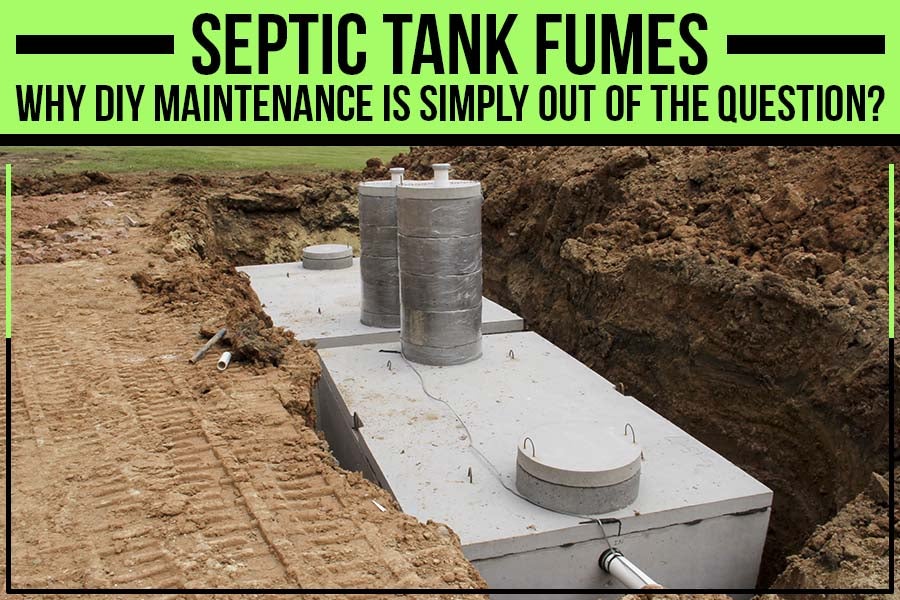
Septic Tank Fumes and Maintenance.

Septic Tank Fumes - Why DIY Maintenance Is Simply Out Of The Question?

Key Takeaways: Septic tanks are crucial but often overlooked home features that play an essential role in our lives and environment. Septic tank fumes can be hazardous, and DIY maintenance is not recommended. The composition of septic tank fumes includes methane (CH4), carbon dioxide (CO2), hydrogen sulfide (H2S), and ammonia. The hazards of septic tank fumes include respiratory ailments, eye irritation, nausea & vomiting, skin allergies, and more. DIY maintenance is a risky task that should be left to septic tank professionals due to the dangers involved, such as gas or liquid leaks, health risks from bacteria exposure, toxic chemicals used in cleaning tanks, time-consuming process When you think about maintenance, you mostly think about your home interior and how it looks. Although keeping everything that contributes to aesthetics in tip-top shape is crucial, you shouldn't overlook critical home features such as septic tanks. They're not the prettiest things in the world. But septic tanks play a vital role in our lives - and our environment. Over time these septic tanks will require maintenance, but we don't recommend rolling up your sleeves and getting to it. Septic tank fumes can be hazardous, and DIY maintenance is simply out of the question. Suppose you're not familiar with how your septic system works. In that case, it's best to leave any repairs or maintenance to the professionals. Dirt Werx LLC provides a closer look at why septic tank fumes are so dangerous, and we'll also offer some tips on how to keep your family safe. Septic Tank Fumes: The Biggest Threat Composition To understand why they're dangerous, we first need to understand what constitutes these septic tank fumes. These fumes or sewer gas contain various gases. Among these, the most prominent are: 1. Methane (CH4) This gas is one of the many contributors to global warming. Methanogen in the sewers produces the gas as a by-product while making their food. The gas is highly combustible and explodes in contact with oxygen. It is also odorless. 2. Carbon dioxide (CO2) It is another gas that contributes to global warming. Bacteria in sewers create the gas. It is minimally toxic when inhaled, but a higher gas concentration can cause rapid breathing, increased blood pressure, and even suffocation leading to death. 3. Hydrogen Sulfide (H2S) The gas smells like rotten eggs and gives the sewer gas that characteristic smell. It is the most toxic gas present in septic tank fumes. According to medical studies, exposure to higher gas concentration s can be fatal as it can cause multiorgan failures and result in respiratory depression. It is a condition when the lungs cannot exchange carbon dioxide and oxygen in the body. 4. Ammonia The gas forms from the animal waste in the septic tank. It is highly irritating to the throat and nose when inhaled. It has a pungent smell. The gas is toxic and can cause death when inhaled in higher concentrations. Hazards of Septic Tank Fumes Considering the constitution, it's no surprise that septic tank fumes can be hazardous to your health. Here are a few of the risks associated with it: 1. Respiratory Ailments Exposure to septic tank fumes increases the chance of respiratory illnesses such as pneumonitis in extreme cases. 2. Eye Irritation Prolonged exposure to these gases may lead to redness and itching around the eyes. 3. Nausea & Vomiting High gas concentrations could cause nausea and vomiting if inhaled for a long time. 4. Skin Allergies Long-term contact with the skin may lead to rashes and other allergic reactions. DIY Septic Tank Maintenance - A Hazardous Task! Septic tanks require regular maintenance and cleaning to ensure that they work correctly. But did you know that trying to fix your septic tank yourself can be a dangerous task? Here are a few other hazards of DIY Septic Tank Maintenance: 1. Risky Hazards Attempting to work on your own without proper safety equipment and knowing how the system works may prove hazardous. It could lead to accidents such as gas or liquid leaks and water damage. As it houses methane, you're also at risk of an explosion. It's best to contact a Septic tank professional before something goes wrong. 2. No Guarantees Suppose something does go wrong while attempting this job by yourself. In that case, there are no guarantees that the problem will be fixed correctly and efficiently, leading to more money being spent to repair it again. 3. Health Risk As the name suggests, these tanks aren't clean. They are breeding grounds for infectious bacteria housing billions of them. Going inside can be dangerous, especially if you have an open wound or even a tiny cut. It could cause sepsis, a severe condition that needs immediate medical attention. Around 270,000 people die from sepsis in the US annually. 4. Toxic Chemicals Septic tanks need to be cleaned using chemicals unavailable to the public. These toxic chemicals could cause irritation or harm if you don't handle them properly, leading to severe injuries such as poisoning. 5. Time-Consuming Regular DIY septic tank maintenance takes time and patience, especially if something goes wrong. It can leave you with little free time for other activities. Does Your Septic Tank Need Maintenance or Replacement? If you've prolonged your septic tank maintenance, it may be time to replace it. Here are some signs that you should look out for: 1. Excessive Water Pooling in your Backyard Is your backyard pooling? It could signify that your septic tank is struggling to keep up with wastewater and needs immediate attention. The water is hazardous and could be due to a leak. It is best to hire a septic tank professional to get it replaced. 2. Strong Fumes Suppose your septic tank is not maintained correctly. In that case, it can release strong and unpleasant fumes that can impact your environment and the health of those around it. It can indicate that your septic tank needs some maintenance or replacement. 3. Unusual Noises Around your Septic Tank Do you hear strange gurgling noises coming from near your septic system? These could indicate a blockage in the pipes leading away from the tank and require professional help to fix this issue. 4. Sewage Backup in Your Home A clogged septic tank will cause sewage backup in your house, which is an unpleasant sign and requires immediate attention. 5. Unpleasant Smells Around the Septic Tank Do you smell something strange when walking around your septic tank? That could be an indicator of poor maintenance or that the tank is outdated and needs to be replaced as soon as possible. Related: Is Your Septic System Supporting Or Harming The Environment? Conclusion in conclusion, septic tank maintenance is no joke; you shouldn't consider it. It's best to call in a professional that knows what they are doing and can take care of the problem quickly. Septic tank fumes can be hazardous, so it's essential not to risk your health and safety by trying to do the job yourself. Make sure to look out for these signs that indicate you need a septic tank replacement or maintenance. Stay safe and keep your home clean from hazardous fumes! Prevent Septic Tank Fuming By Installing New Ones in Easton, PA Although DIY septic tank maintenance is never recommended, Dirt Werx LLC offers professional services for new septic tank installations and replacements in Easton, PA. We are a leading provider of septic tanks in Easton and surrounding areas, so you can be sure that you'll get quality service from a reliable team. We can help ensure that your tank is suitable for your property and get it installed efficiently. Contact us today and get a free estimate.

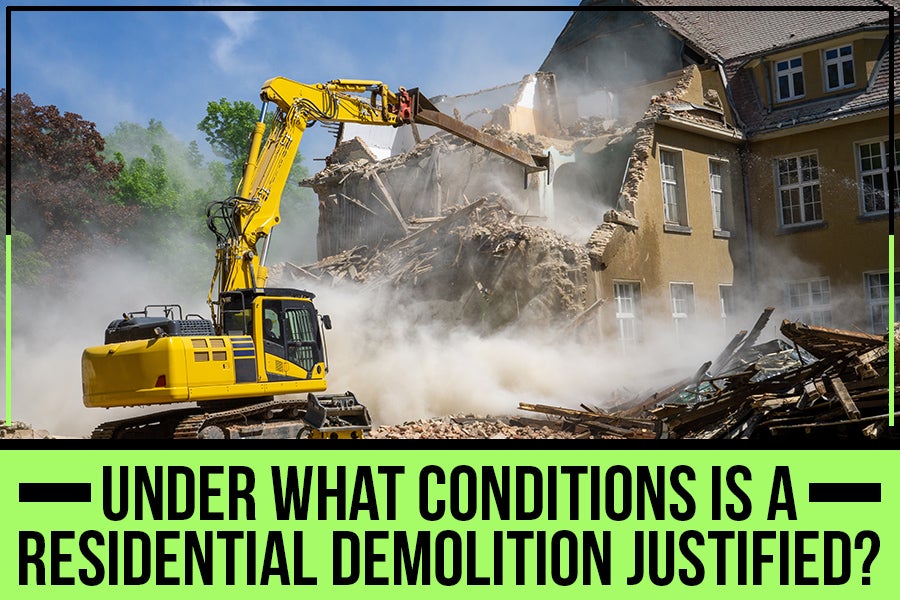
Residential demolition with Dirt Werx.

Under What Conditions Is A Residential Demolition Justified?

Key Takeaways: Demolition is usually the last resort in property restoration measures, but it becomes necessary sometimes. Watch out for the signs in this blog to determine your demolition needs. You need to follow safety standards and processes to ensure professional demolition. Sign up for professional demolition to avoid last-minute hiccups. Dirt Werx LLC is the premier demolition partner in Bethelem. Demolition of a building, regardless of its type, should only happen as a last resort. When all other renovation and repair options have been exhausted, and the structure is still deemed unsafe or uneconomical, it may justify demolition. There are, however, specific conditions that must be met before a residential demolition can take place. This blog explores those conditions in depth. So, if you are considering demolishing your home, read for more information.​ Buildings with Poor Maintenance If a structure has been left to fall into disrepair, it may be necessary to tear it down and start over. Sure, you could try to patch things up and manage with what you have, but eventually, you will reach a point where it's just not worth it anymore. At that point, it might make more sense to demolish the existing structure and build something new that will be easier (and less costly) to maintain. Buildings That Faced Natural Calamities Sometimes, Mother Nature doesn't play nice. Suppose your facility has been damaged by severe weather or other natural disasters. In that case, it might make a lot of sense to demolish the existing structure and start over rather than try to repair the damage. This is especially true if the damage is extensive or the building is located in a region prone to natural disasters. Outdated Buildings Older buildings can often be fascinating from an architectural standpoint, but they can also pose serious safety hazards. If your facility is starting to show its age and needs significant repairs or upgrades, it might be time for a fresh start. Demolishing an outdated building and starting from scratch can often be cheaper and easier than bringing the existing structure up to code. The Structure is Condemned This is an obvious one. If your building has been condemned by the city, state, or feds, it's time to start thinking about tearing it down. Condemned buildings are a health and safety hazard, and they're not going to get any better with age. If you own a condemned building, your best bet is to work with a professional demolition company to demolish it as soon as possible. There are Structural Issues Not all buildings with structural issues need to be demolished, but if the issues are severe enough, demolition may be the only option. Structural issues can weaken a building's foundation and make it unsafe for occupancy. Suppose you suspect that your building has structural issues. In that case, you should have it inspected by a licensed engineer to see if repairs are possible or if demolition is the only way to go. You Need to Clear the Land for Development Manage a plot you want to develop, but an existing structure is in the way. Demolition may be the only solution. Of course, you could try to sell the property as-is, but most people would instead buy land that's cleared and ready for development. If you're planning on developing a property, make sure to factor the cost of demolishing any existing structures into your budget. You Want to Build Something New Sometimes, people want a change. If you're tired of looking at the same old buildings every day, demolishing them and starting from scratch may be precisely what you need. Of course, this option isn't for everyone—it can be expensive and time-consuming—but if you've the money and the patience, it can be very satisfying to start fresh with new construction. It Just Feels Right This one is admittedly subjective, but sometimes you know when it's time to bid goodbye to an old structure and start anew. If your gut feelings are telling you that it's time for something different, maybe it is—only you can decide whether or not demolition is proper for you in this case! Also, Read – The Difference Between Trenching & Site Excavation Here is a brief insight into things you need for property demolition. 1. Hire a professional demolition company. This is the essential step in the process. A professional demolition team will have the experience and expertise to safely and efficiently demolish your property. Plus, they'll be able to handle all the permits and regulations required for demolishing a property. Trust us; you don't want to try to do this yourself. It's not worth the hassle or the risk. 2. Obtain all the necessary permits and regulations. As we mentioned above, you must take care of many permits and regulations before demolishing your property. The last thing you want is to get halfway through the demolition process and then be shut down by the authorities because you didn't have the proper permits. That would be a nightmare scenario. So, make sure you research and take care of all the red tape before you start swinging that wrecking ball. 3. Create a plan of action. Before tearing down walls, planning what you will do with all the debris created during the demolition process is essential. Otherwise, you're going to end up with a huge mess. It would help if you thought about where you'll dump all the rubble, how you'll dispose of it, etc. Once you plan, executing the demolition will be much easier and smoother. 4. Execute the demolition carefully and methodically. This is something that you should do with time and effort. Demolishing a property is a delicate process that calls for precision and care. You can't just go in there with a sledgehammer and start swinging wildly. That's how accidents happen. So, take your time, follow your plan, and be careful. If everything goes according to plan, before you know it, your property will be nothing but rubble. And then you can finally move on with your life. 5. Dispose of the debris properly. Once again, this is where having a plan comes in handy. It will be much easier if you know where to dump all the debris from the demolition. Make sure you follow all the proper regulations to dispose of construction waste. Otherwise, you could find yourself in scalding water with the law. And no one wants that. Suppose you have a condemned building, structural issues, or are just trying to get rid of an old eyesore to build something new and beautiful. In that case, demolition may be the right step. However, it's essential to understand when demolition is justified and when it isn't. Before taking the plunge and destroying your home or business, consult with the professionals at Dirt We r x LLC in Bethlehem. We will help you determine if excavation and demolition services are right for you and guide you through every step of the process. Plus, we offer free estimates! What do you have to lose? Give us a call today!

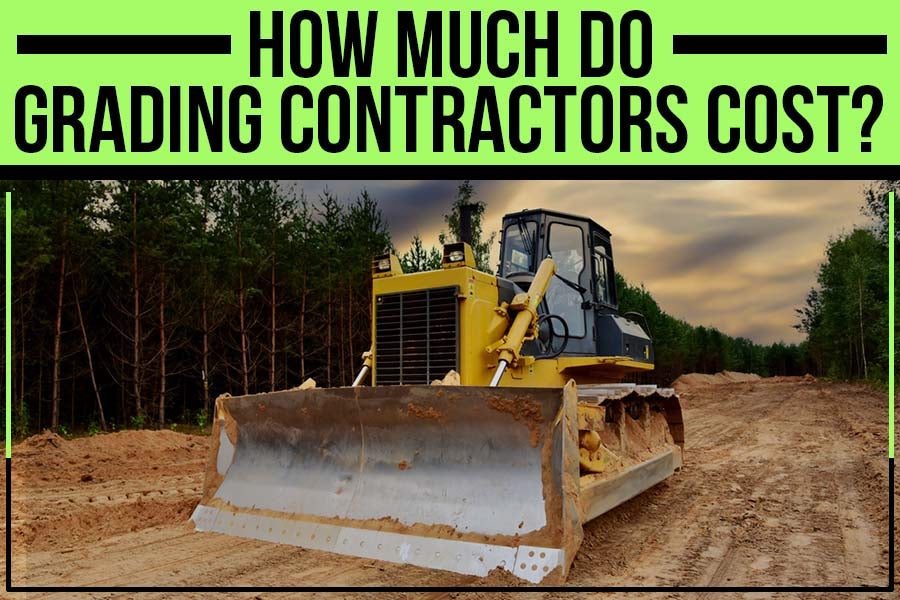
The costs of hiring grading contractors at Dirt Werx.

How Much Do Grading Contractors Cost?

Key Takeaways: Grading contractors charge between $40 and $180 per hour, and an additional cost per cubic yard of soil is required to level the property, ranging from $50 to $200 per cubic yard. The size and accessibility of the land, terrain, type of soil, costs of dirt removal, slopes present on the property, and permits needed all affect the cost of hiring a grading contractor. When you hire a grading contractor, they will analyze your construction site and create an action plan outlining their approach for leveling the land and clearing away any debris. When selecting the best contractors for the job, look for licensed professionals with experience & good reviews, as well as those who provide thorough estimates that include all potential fees. Site grading is an essential part of the development process. By grading the site, you can ensure that it is appropriately built and complies with local codes and regulations. Grading involves various activities, including preparing the site for construction, measuring elevations and slopes, installing drainage facilities, constructing retaining walls, placing fill material at appropriate levels, and ensuring proper compaction of soils. Grading contractors are responsible for carrying out the necessary grading work. They should have a thorough knowledge of local codes, regulations, and soil conditions to ensure that all requirements are met. Hiring an experienced contractor with the right equipment and expertise is essential to complete the job correctly. This blog post by Dirt Werx LLC will discuss the site grading basics, the cost of grading, and what factors affect the cost. Understanding Grading and Leveling: Before we go into the price of site grading, let's clarify what we're talking about. Although these two terms are frequently used interchangeably, they have significantly distinct meanings. Grading Grading is changing the slope of your land to direct water away from it. Residential properties are only partially level since they must be slightly slanted downhill to accommodate a home, garage, and driveway. This slope or grade will allow ground moisture to flow toward the street and away from your home and other structures. Water must be directed onto the street in this manner; otherwise, moisture in the ground would pool adjacent to a structure's foundation, causing the concrete to weaken and crack. Leveling Leveling produces a smooth, uniform surface free of bumps and craters. If your site has the proper slope, you may need to level it out and prepare it for use. Both contribute to the structural stability of your home. The first step in ensuring easy maintenance and a successful landscaping project is to plan the slope of your landscape. What Do Grading Contractors Charge? While the construction site owner can do certain minor grading activities with less sophisticated or less expensive technology, grading contractors are frequently necessary. Land grading professionals employ heavy equipment such as excavators, skid steer loaders, or backhoes to grade a property. This ensures that the ground is properly graded and ready for construction, facilities, landscaping, or other uses. Grading Cost Factors Land grading contractors charge between $40 and $180 per hour. In addition to hourly labor, contractors charge per cubic yard of soil required to level a yard, ranging from $50 to $200 per cubic yard. Various criteria, including the type of project, the size and terrain of your site, permits, and dirt removal, determine the cost of grading. Factor 01: Size and Accessibility The more land you have, the more expensive it will be to level your yard. An acre lot will require more machinery and more time to level than a 1⁄4 acre lot. The land grading cost is also determined by the ease with which excavators, trucks, and heavy equipment may approach your property. Working on-site becomes more difficult and expensive when old tool sheds, sitting walls, fountains, stones, and other barriers exist. Factor 02: Terrain and Soil If the site is rocky, expect to spend another $200 to $1,200 for the project or $40 to $100 per cubic yard. If there are trees, expect to pay an additional $1,000 to $6,000 per acre, depending on the number and maturity of the trees. Labor expenses rise with the condition of the terrain since your contractor must remove full-grown trees and dig out stones lodged in the soil. They'll have to bring in additional equipment, such as bulldozers, and work longer hours. Factor 03: Costs of Dirt Removal On top of the grading fees, the typical cost for soil removal is $8 to $15 per cubic yard. Contractors must often carry away dirt when leveling a steep slope or removing dirt for a house expansion foundation. Costs increases because you must pay for the usage of a dump truck and an excavator and the additional workforce required to excavate and carry away the soil. Factor 04: Slopes Slope leveling costs between $1 and $15 per cubic yard of soil. Most homes spend $1,900 on basic lawn sloping to avoid erosion and improve drainage. The cost of leveling a slope, often known as cut and fill, increases since the work requires more labor. To level a yard, the pro will have to transfer soil from the hill (cut it) and bring it to another spot (fill it). Factor 05: Permits For the job, you'll need grading permission depending on where you reside and the nature of the project; this might range from $100 to $1,000. Factor 06: Cost of Drainage Installation Resloping is done to keep water away from your home's foundation. However, you may still require a yard drainage system to protect your grass, trees, and flower beds from standing water. Drainage installation costs between $1,500 and $11,000 per project and typically entail digging holes or trenches, so it's best done with the re-grading job. Installing a French drain usually costs $10 to $75 per linear foot, whereas installing a dry-well cost between $1,350 and $4,255. What Can I Expect from A Grading Contractor? When you hire a grading contractor, they will analyze your construction site and create an action plan outlining their approach for leveling the land and clearing away any debris. They will then use heavy machinery such as bulldozers or backhoes to move dirt around until it's at an appropriate height and slope for building purposes. Once complete, they will test the soil for contaminants and inspect it for structural integrity before giving you the green light to begin constructing your project. Selecting the Best Grading Contractors Some things to keep an eye out for are: Make sure you pick a licensed, skilled contractor with experience in land grading. Gather reviews and information from former clients to learn about their prior assignments. Before commencing the job, you also need to obtain a thorough estimate. Inquire with the contractor about the cost of filling material, clearing land, and obtaining permits. If you live in the Allentown area and have a land grading job in mind, contact Dirt Werx LLC. We have grading professionals on the team that can prepare your site for building. We take pleasure in offering services that are both efficient and cost-effective. Get a free estimate today!

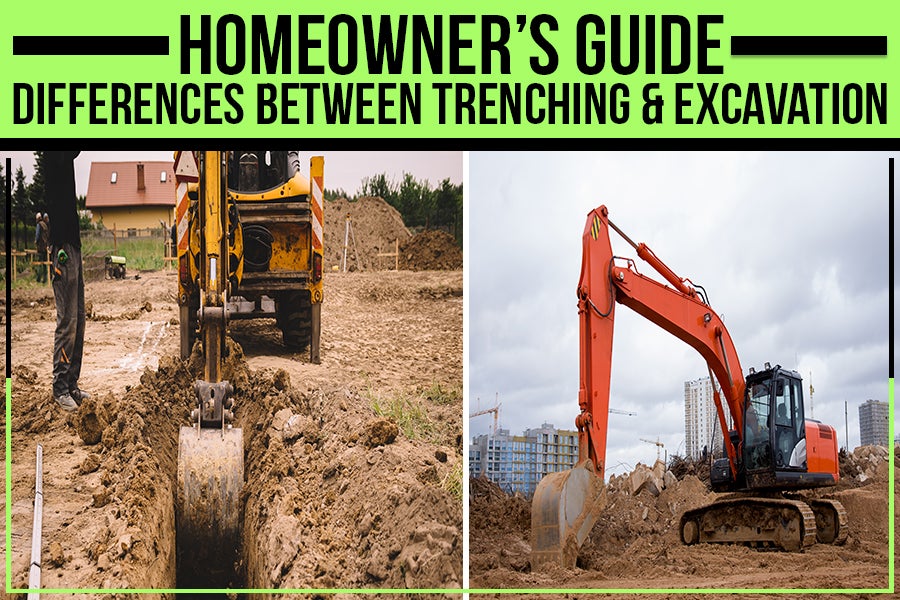
Dirt Werx excavation homeowner's guide.

Homeowner’s Guide: Differences Between Trenching Excavation

Key Takeaways: Trenching is excavating a narrow and deep hole in the ground, typically using a shovel. Excavation is the process of removing earth from a hole or trench. Trenching is often used to create drainage ditches or to install underground utilities such as water pipes or sewer lines. Excavation is often used for larger projects, such as building foundations or digging canals. If you must avoid underground utilities, excavation may be the best option. Excavation can also uncover and preserve archaeological artifacts that cannot be accessed by machinery. When looking for a professional company to handle your trenching and excavation needs, ensure the company is licensed and insured, read online reviews, and ask about their safety record. When you need to make a hole in your yard – for a new sprinkler system, planting a tree, or running electrical wiring – it’s essential to know the difference between trenching and excavation because each has unique benefits and drawbacks. This homeowner’s guide will help you understand the basics of each technique so you can get the job done safely. What Is Trenching and Excavation: The Differences Trenching is excavating a narrow and deep hole in the ground, typically using a shovel. Excavation is the process of removing earth from a hole or trench. It can be done using various tools, including a shovel, an excavator, or even explosives. The main difference between the two processes is that excavation is generally broader and shallower than trenching. Trenching is often used to create drainage ditches or to install underground utilities such as water pipes or sewer lines. Excavation, on the other hand, is more often used for larger projects, such as creating foundations for buildings or digging canals. Related: Difference Between Trenching & Excavation When Is Excavation a Good Option? 1. When You Want to Avoid Hitting the Underground Utilities If you must avoid underground utilities, excavation may be the best option. Excavation can be used to avoid damaging underground utilities that cannot be accessed by machinery. 2. When Archaeological Artifacts Are Present If archaeological artifacts are present, then excavation may be the best option. Excavation uncovers artifacts that would otherwise be inaccessible, thus preserving them. 3. When Soil Conditions Are Poor If soil conditions are poor, then excavation may be the best option. It can remove and replace poor-quality soil that machinery cannot access. 4. When There Is Limited Time If there is limited time, then excavation may be the best option. It can be completed in a shorter amount of time than trenching. What Are the Excavation Safety Measures? Excavation sites always present potential dangers. The excavation contractor's responsibility is to ensure workers' safety and the surrounding area's stability. Several safety measures should be taken during excavations, including: Erecting barriers around the perimeter of the excavation site. These barriers should be strong enough to withstand any potential collapse of the excavation walls. Placing warning signs at the entrance to the excavation site and along the periphery. These signs should indicate the potential risks associated with the site. Conduct a thorough assessment of the stability of the soil before commencing any excavation work. A qualified engineer should carry out this assessment. Ensuring that all workers on the site are adequately trained in excavations safety procedures. All workers should be provided with personal protective equipment, such as hard hats and safety goggles. Regular inspections of the excavation site to identify any potential hazards are essential. A qualified engineer should carry out these inspections. If any risks are identified, you should rectify them immediately. Read more on excavation safety measures! How To Choose a Professional Company for Trenching & Excavation? 1. Look For a Company with Experience When looking for a professional excavation company, it's important to look for one with experience. This is because experience is often the best indicator of quality. A company that has been in business for many years is likely more reliable and efficient than a just-starting one. 2. Make Sure the Company Is Licensed and Insured Another vital thing to consider when choosing a professional excavation company for trenching and excavation is whether or not the company is licensed and insured. This is important because it will protect you from any liability if something goes wrong during the job. 3. Ask For References It’s also a good idea to ask for references. This way, you can get first-hand accounts of what it's like to work with the company. If a company has no references, that's usually a red flag. 4. Get Multiple Quotes When choosing a professional excavation company, getting multiple quotes is always a good idea. This way, you can compare prices and make sure you're getting the best deal possible. 5. Read Online Reviews In addition to asking for references, another good way to get an idea of what it's like to work with a particular company is to read online reviews. There are many websites where you can read reviews from past customers, so this should be easy. 6. Make Sure the Company Has the Right Equipment Check whether or not the company has the right equipment. This is important because the right equipment will make the job much smoother and help ensure it's done correctly. 7. Ask About Their Safety Record Finally, when choosing a professional company for trenching and excavation, it's also important to ask about their safety record. This is because you want to ensure that they have a good track record regarding safety. After all, this is an inherently dangerous job, so you want to ensure that the people doing it are taking proper precautions. Conclusion This homeowner's guide has provided some key things to look for when hiring a professional excavation company. Following these tips can help ensure the job is done correctly and safely. Looking for a contractor who can do it all? Look no further! Dirt Werx LLC has the knowledge and experience to develop your entire site. We have the equipment and expertise to handle any project, from land clearing to underground utility installation. We are a licensed and insured contractor with an experienced team of professionals who perform high-quality excavation work in Hellertown. We will complete any site work needed on time and within budget! Our family-owned company values safety, service, and support, which are embedded in our approach to every project we manage. Contact us today for a free estimate!

Contact Us

Fill out this form below and we'll contact you shortly
*Required Fields