Blog / Dirt Werx LLC Blog

Blog

All Dirt Werx LLC Blog Data Center Construction Dirt Werx Service

Soil Testing - A Crucial Site Prep Step Before Construction Begins!

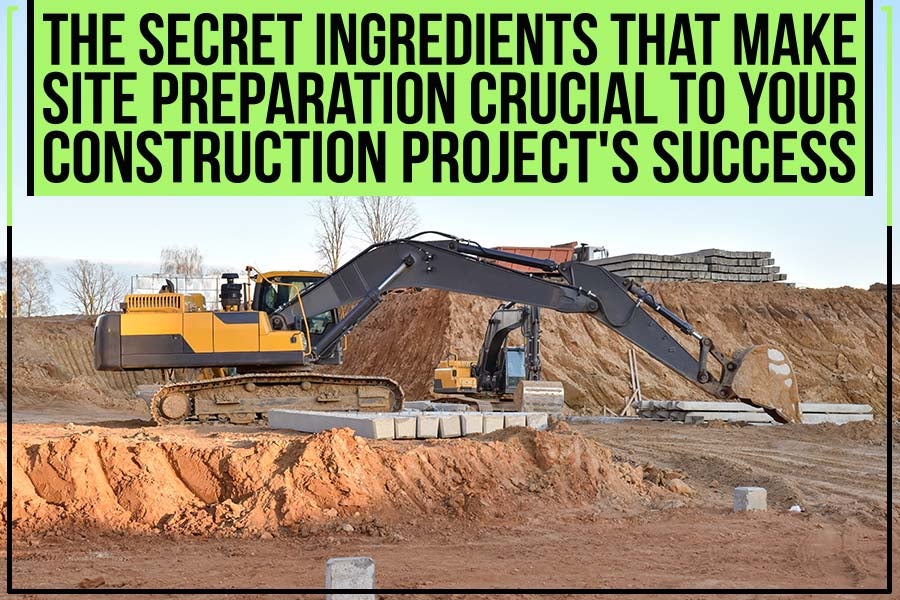
Whether it's a new home, a business, or even just a deck or patio, if you're planning on doing any construction work, you need to make sure that the site is ready. And the first step in preparing any site is soil testing. This blog post will talk about soil testing and why it's so important. We'll also give you some tips on how to get the most accurate results from your soil tests. So, let's get started! The soil quality on your construction site will significantly impact the quality of the finished project. That's why it is essential to examine the soil before laying the foundation of any construction work. A soil test will tell you what kind of soil you have and help you determine the kind of foundation you will need for your project. Let's look at what goes into testing your soil: Take the Samples The process should begin with taking soil samples from several different areas of the site. Remember, the larger the area of construction, the higher the possibility of soil variation. To avoid risks of finding any issues at the time of laying the foundation, it is suggested that you stick with taking multiple samples from the site. Test the Soil's pH Level The ideal range for most construction projects is between pH levels six and seven. A soil pH test can be conducted through the very simple technique of using a pH test strip which is widely available. However, it is suggested that you acquire the help of specialists such as Dirt Werx for a smooth site prep and expert opinion in case there’s something additional you may not be aware of. Check the Soil's Texture The three main types of soil texture are sand, silt, and clay. More often than not, the soil can be a mixture of two or more of these types, determining the site preparation process ahead. For example, suppose the soil is a mixture of silt and clay. In that case, it is considered “moderate,” meaning that it allows moderate ground movement. Test the Soil's Density Soil density helps to determine a number of factors in site preparation. Soil compaction also arises from inadequate soil density, which may affect the overall process of construction and foundation laying. The ideal range of soil density for most construction projects is between two and three grams per cubic centimeter. If you're planning a construction project, soil testing is an essential site prep step that you can't afford to skip! By testing your soil, you can ensure that you have the proper foundation for your project. However, we understand that testing the soil on your own can be a little troublesome, and you can always avail of the help of an expert. We at Dirt Werx, LLC, serving Allentown, PA, excel in various services ranging from site preparation, excavation, and land clearing to help you achieve the best results for your construction project. Get a free quote for site preparation today!

5 Common Septic Tank System Problems

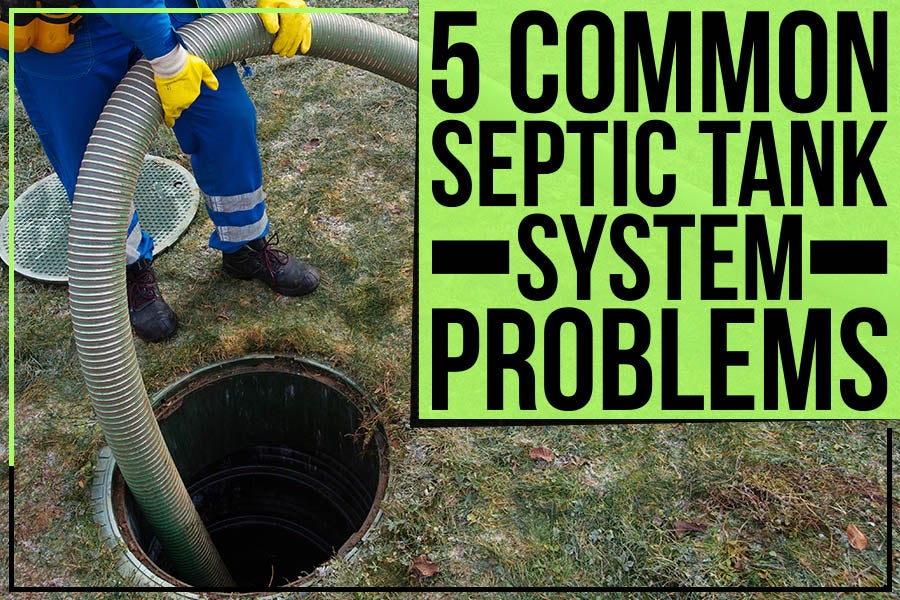
Septic tank systems can be an excellent option for those looking to avoid the high costs of having a sewage line installed. However, several septic tank problems can occur with these systems if they are not properly maintained. With this post, we will highlight some common signs of septic tank problems. By understanding these problems, you can be better prepared to deal with them if they happen – and hopefully prevent them from happening in the first place. We hope that this information will help you keep your septic tank system running smoothly! What Are Septic Tanks? Septic tanks are underground chambers that store sewage. They are usually made of concrete, fiberglass, or plastic. Septic tanks typically have two compartments; one for solids and one for liquids. Septic tanks break down the solid waste, and leach fields absorb liquid waste. They are necessary when there is no connection to a municipal sewage system. Septic tanks are usually found in rural areas or older homes. Exactly What Are Some Of The Most Common Problems With Septic Tanks? It is possible for septic tanks to develop a few different problems. Some of them are as follows: The tank can become full and needs to be emptied as per the recommended schedule for your tank. Pumping your septic tank system is the essential maintenance required, usually at the owner’s cost. However, don’t forget that it costs cheaper than installing and maintaining a sewerage line. Just schedule the emptying with a professional, and you’re all set until the next time, which may be a year or more. While septic tanks are strong, they can develop cracks over time. The damage could occur due to ground movement where your tank is installed. If you see signs of cracks, have it checked by a professional as soon as possible. More minor cracks may be repairable, but you may need to replace your septic tank if severe damage occurs. Septic tanks rely on good drainage to function correctly. If there’s poor drainage around your tank, this could lead to problems. Poor drainage can cause your tank to flood, leading to sewage backing up into your home. If you see signs of poor drainage, take action to improve it. You can install a new drainage field or fix the one you have. Roots and trees near your septic tank can cause stress on the septic tank and lead to damage. If roots grow through your tank walls, your septic tank won’t function efficiently and leak sewerage water into the ground. One way to avoid this is to choose a location away from trees. Improper installation is one of the most common septic tank problems. A professional must install Septic tanks to ensure they are correctly working. If your septic tank wasn’t installed correctly, it could lead to many problems down the road, from environmental issues to lack of compliance with legislation. One of the best ways to avoid these common problems is to ensure that your septic tank is installed, maintained, or repaired by a professional. Dirt Werx LLC, serving Hellertown, PA, offers high-quality septic system installation services to ensure that your septic system works the right way for years to come. Contact us to speak to one of our experts or get your free estimate online!
A Concise Guide About Retaining Walls In Excavation Projects

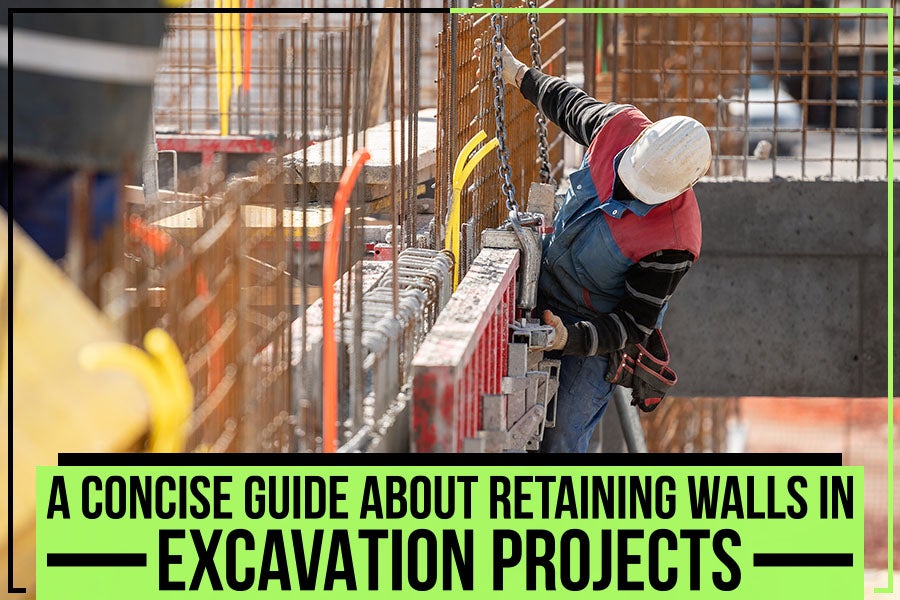
Retaining walls are a crucial part of excavation projects - they keep soil, dirt, and other materials from eroding or spilling onto the surrounding area. But while they're an essential part of the process, they can also be tricky to work with. If you're not familiar with how retaining walls work or what to look for when installing them, you could run into problems. Dirt Werx LLC will cover everything from its construction to maintenance in this blog post so that your excavation project goes as smoothly as possible! What are Retaining Walls? Retaining walls are structures built to hold back soil, rock, or other materials. They're commonly used in excavation projects to prevent dirt and debris from spilling onto the surrounding area - which can cause all sorts of problems, from flooding to erosion. Types of Retaining Walls: Retaining walls are constructed from various materials, each with benefits and drawbacks. The most important thing is to choose a material that will withstand the weight of the soil and any other materials being retained. Sheet Pile Wall: Sheet pile walls are made of interlocking sheets of metal or wood that are driven into the ground. Gravity Wall: Gravity walls are made from heavyweight materials like concrete or stone. Pre-Stressed Concrete Wall: Pre-stressed concrete is a type of concrete treated with high pressure and tension levels. Piling: Pilings are long, slender posts that are driven into the ground. How are Retaining Walls Built? Retaining walls are generally constructed of concrete, stone, or wood. They can be built using various methods, depending on the materials being used and the size and scope of the project. Things to Consider When Building a Retaining Wall: The Type of Soil: Different types of soil will require different types of retaining walls. For example, clay soil is more likely to expand and contract, so it needs a different kind of wall than sandy soil. The Height of the Wall: The taller the wall, the more weight it will have to support. Taller walls are usually made from stronger materials like concrete or stone. The Purpose of the Wall: Is the wall being built to hold water back, support a slope, or create extra storage space? The answer will determine the type of wall you need to build. Retaining Wall Maintenance Tips Once your retaining wall is built, it's important to keep an eye on it and make sure it stays in good condition. Here are a few tips: Inspect the wall regularly, looking for cracks or other damage. If you find any damage, repair it immediately to prevent further issues. Make sure the drainage around the wall is functioning correctly. If there is any vegetation growing on or around the wall, remove it. Keep an eye on the weather forecast and be prepared to take action if there is a chance of severe weather. If you consider adding a retaining wall to your excavation project, Dirt Werx LLC is here to help. We have the experience to get the task done right – on time and within budget. Get your free estimate, or check out our service s page for more information.

Brush Clearing: The Must-Do Pre-Construction Task

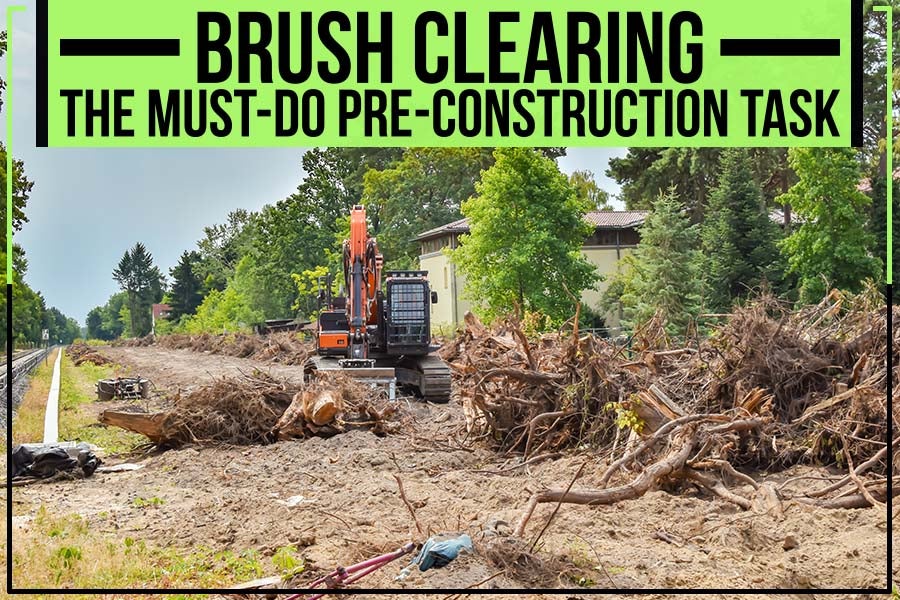
If you're thinking of constructing a new building, brush clearing is one of the essential pre-construction tasks you'll need to do. Clearing away trees and undergrowth makes construction easier and safer - it also helps prevent damage to your property down the road. Dirt Werx LLC will walk you through why brush clearing is vital for any construction project. Reasons for Brush Clearing the Site before Construction Whether it's a new home build, a deck or patio installation, or even just some landscaping work - brush clearing should be one of the very first tasks on your list. Here are three reasons why: 1. Fire Safety The most crucial reason to clear away brush before beginning construction is fire safety. In many parts of the country, wildfires are a real danger. If your property is surrounded by dry, overgrown vegetation, it's much more likely to catch fire, putting your new home or office at risk. By clearing away brush and trees, you'll create a buffer zone that can help protect your property in a wildfire. 2. Prevent Soil Erosion Brush clearing also helps prevent soil erosion. When there's too much vegetation on a slope or hillside, rain and wind can quickly wash away topsoil. It can leave your property vulnerable to landslides and other problems. Clearing away excess vegetation will help stabilize the ground and prevent erosion. 3. Prevents Damage to Property and Equipment Overgrown vegetation can also damage your property and equipment. Trees and shrubs can grow into gutters, siding, and other parts of your home or office. It can cause severe damage that will be expensive to repair. By clearing away brush regularly, you can help prevent this type of damage. 4. Helps Ensure the Quality of the Finished Product If you're planning on building a new home or office, you'll want to ensure that the finished product is the highest quality. Overgrown vegetation can cause problems during construction, from interfering with foundation work to making it challenging to install utilities. By clearing away brush before construction begins, you can help ensure that the finished product is up to your standards. 5. Keeps Workers Safe Construction workers often have to work near a brush hazard, posing a safety hazard. By clearing away brush before construction begins, you can help keep your workers safe from potential injuries. Of course, you'll need to get a permit from the local authorities before you start clearing the brush. And must follow all safety guidelines when using power tools or operating machinery. But if you take care of these things, brush clearing can be a simple and effective way to protect your property - and it's worth doing before construction begins. Ending Note Brush clearing is an important task that should be completed before any construction. By taking the time to clear away brush, you can help prevent several problems, including erosion and damage to property and equipment. Additionally, clearing away brush before construction will help ensure that the finished product is of the highest quality. If you're planning on starting any construction project, contact Dirt Werx LLC serving Mount Bethel, PA, tobe sure to add brush clearing to your list of pre-construction tasks!

7 Types Of Projects That Depend On Land Clearing

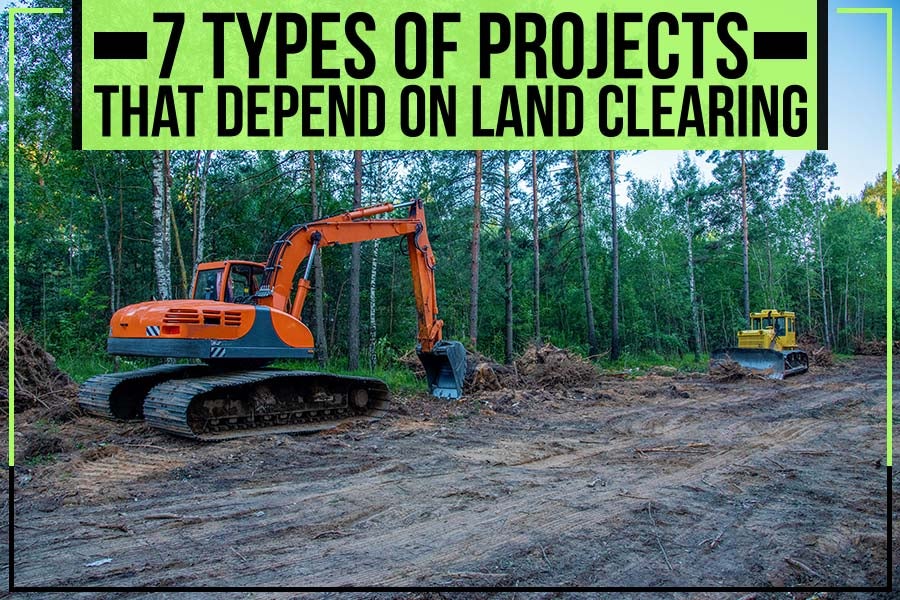
Have you ever seen heavy construction machinery driving around your neighborhood and wondered what they're doing? If you reside near a wooded area, there's a good chance that they're clearing land. Land clearing is an essential step in many construction projects, but it's also something that many people don't know much about. In this blog post by Dirt Werx LLC, we'll look at land clearing and some of the projects that depend on it. Most people think of land clearing as something performed to prepare an area for construction. And while that's undoubtedly one of the most common uses for land clearing, it's not the only one. Numerous different projects benefit from land clearing services. Here are just a few examples: Construction of Roads, Bridges, and Other Infrastructure Projects Land clearing is often necessary to make way for new construction projects. Roads, bridges, and other infrastructure projects can benefit from land clearing services in several ways. Environmental Clean-up Efforts Land clearing is used to remove debris and pollution from an area. It can help improve the quality of the environment and make it safer for people and animals. Farming and Agriculture It can prepare an area for farming or agriculture, including removing trees, brush, and other vegetation. Oil and Gas Drilling Operations Land clearing is often used in oil and gas drilling operations. It can help to create a safe work environment and access to resources. Residential and Commercial Development Land clearing can prepare an area for residential or commercial development, including removing trees, brush, and other vegetation. Telecommunications Installation Land clearing can equip an area for telecommunications installation, including removing trees, brush, etc. Tourism and Recreational Activities Land clearing also prepares an area for tourism and recreational activities. How Can Land Clearing Benefit the Environment? Land clearing can benefit the environment by removing dead trees, brush, and other vegetation from the land. It could improve air quality and limit greenhouse gas emissions. Land clearing can also benefit the environment by providing new opportunities for recreation and tourism. It also reduces the risk of wildfires. It protects homes and businesses from damage and reduces the smoke and air pollution produced by wildfire. Negative Impacts of Land Clearing It also causes some negative impacts: Land clearing can lead to soil erosion and landslides. It can also destroy habitat for wildlife and disrupt ecosystems. If not adequately managed, land clearing can also contribute to air and water pollution. Conclusion Before beginning any land clearing project, it is essential to consult with a professional to ensure that it is done safely and effectively. As you can see, land clearing is a necessary process that helps make many different types of projects possible. If you require land clearing services in Nazareth, PA, contact Dirt Werx LLC. We would be love to help you get your project started! Get a free estimate now!

How Does Excavation Come in Handy When Landscaping?

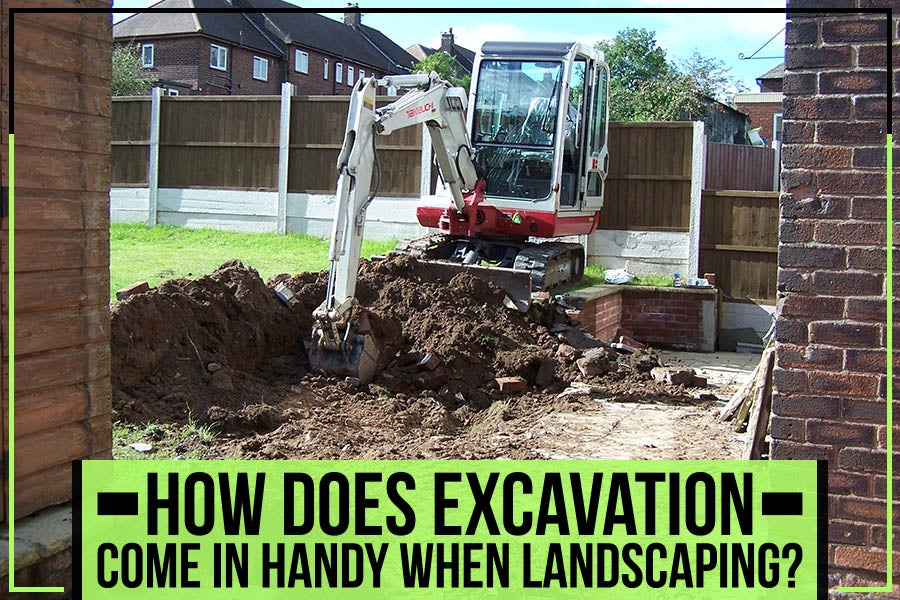
It's not often that people think about excavation when landscaping their yards, but there are many occasions where it can come in handy. By understanding a bit more about what this process entails, you can decide whether or not to recruit a professional excavator for the job. Dirt Werx LLC will explore some of the most common ways excavation can be used to improve your landscape. Why Excavate Your Landscape? Excavation is the first step in many landscaping projects. You can create a level surface by excavating the area, adding visual interest and functionality, and preventing flooding and water damage. Some of the common reasons to excavate include: Installing a New Patio or Deck One of the most common ways excavation comes in handy is when installing a new patio or deck. If you're planning on including one of these features in your landscape, excavating the area first will ensure that you have a level surface to work with. This process can also create slopes and other elevation changes in your yard, adding visual interest and functionality. Installing Drainage Systems Another everyday use for excavation is installing drainage systems. If your property doesn't have proper drainage, water can pool in certain areas and lead to flooding or water damage. By installing a drainage system during the excavation process, you can prevent these problems before they even start. Removing Large Rocks or Other Obstacles Excavation can also be used to remove large rocks or other obstacles from your property. It can make it easier to level the land and prepare it for landscaping. In some cases, you may even sell the rocks you remove! If you're planning any type of landscaping project, big or small, excavation is a process that can't be ignored. It's essential to work with a professional excavator to ensure the job is done right and your property is protected. Benefits of Hiring an Experienced Excavator Working with an excavator has many benefits beyond preparing the land for landscaping. Some of the primary benefits include: -They know how to use the equipment to avoid damaging your property. -They have the experience and knowledge to complete the job quickly and efficiently. -They can provide you with an estimate of the cost of the excavation project. -They are insured and bonded, so you can be sure your property is protected in case of damage. Ending Note If you like to get more details about our services, please don't hesitate to contact us. Dirt Werx LLC, serving Macungie, PA, has the tools and experience to handle any size job. If you're looking for top-quality excavating services, look no further than our team. You can avail free estimate offer today to get started on your next project.

Win-Win Situation - Indoor Riding Arenas & Curb Appeal!

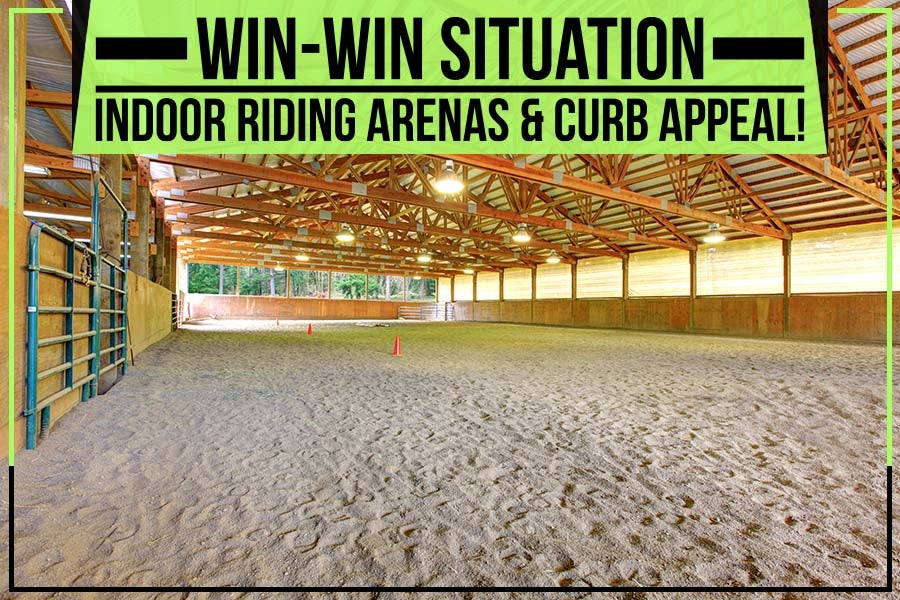
Horses are majestic creatures; whether you watch them run across an open field or see them grazing in a picturesque paddock, they always seem to capture the heart of anyone who sees them. There is no question that indoor riding arenas considerably benefit horse ownersand riders. However, many people don't realize that these structures can also add tremendous value to your property from a curb appeal standpoint. In this blog post, Dirt Werx LLC will explore some of the reasons why indoor riding arenas can be a win-win situation for both your horses and your home! Why Adding an Indoor Riding Arena is a Win-Win Situation? As beautiful as horses can be, taking care of them can be a lot of work. That's why more individuals are choosing indoor riding arenas to enjoy all the benefits of horse ownership without having to worry about the weather. Following are the reasons you should seriously consider adding an indoor riding arena to your home: Beautifies Your Home One of the main reasons indoor riding arenas can add value to your home is that when done right, an indoor riding arena can be a beautiful and stately addition to your property that will turn heads. It is essential if you are ever looking to sell your home, as potential buyers will be impressed by the addition of an indoor riding arena. Protects Your Horses Another reason indoor riding arenas can be a win-win situation for your horses and your home is that they help protect your horse's health. When horses are exposed to bad weather conditions, it can lead to health problems like respiratory infections and skin irritations. An indoor arena will help to protect your horse from these types of risks, as well as other hazards that can occur outdoors, like insect bites and snakebites. Indoor arenas are also excellent for competitive horses to stay in shape year-round. Ideal Training Environment Furthermore, an indoor arena eliminates the distractions outdoors, like traffic noise and other animals. It creates a more controlled environment for lessons and training sessions, leading to improved performance outcomes. Not only does it provide a place to ride no matter the weather, but it can also improve your students' riding skills. In addition, an indoor arena provides a superior footing for your horse. It can help prevent injuries and provide a more comfortable surface for riding and training. Adds Value to Your Property Moreover, it is an excellent investment for any equestrian enthusiast. An indoor arena can also be a significant selling point for your property. Homes with an indoor arena tend to have more curb appeal and are often in high demand. If you want to upgrade your own home, consider adding an indoor riding arena! Bottom Line If you're thinking about adding an indoor arena to your property in Easton, PA, be sure to contact a reputable contractor who specializes in this type of construction. With help from Dirt Werx LLC, you can create a safe and functional space that will benefit both you and your horse for years to come! Get a free estimate now!

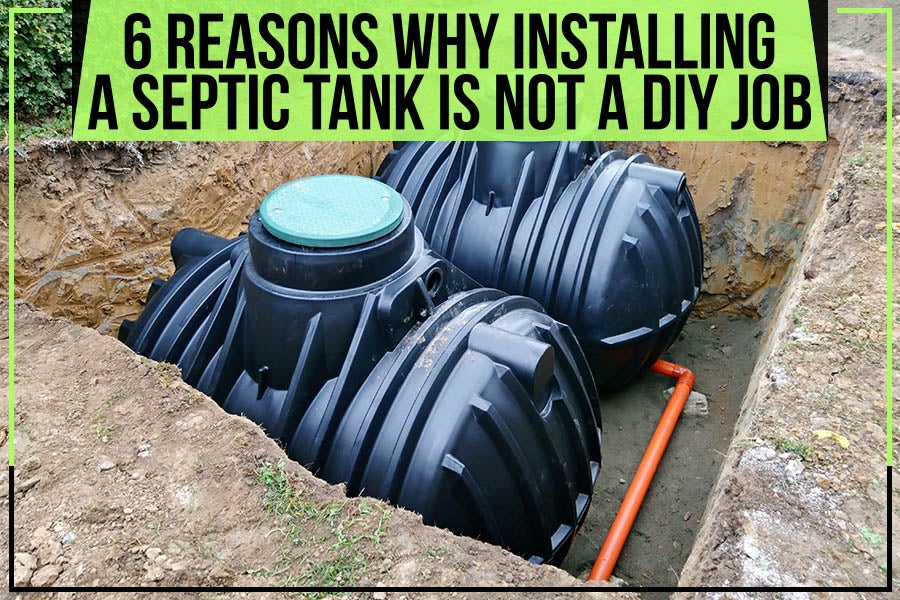
6 Reasons Why Installing A Septic Tank Is Not A DIY Job

Septic tanks add a lot of value to your property. They also save you money and are safe to install in the long run. However, septic tank installation is not a straightforward task. It's not like unclogging a drain or fixing a leaky pipe. You'll need the necessary permits, gear, and safety equipment to get started. And once you get in there, things could go wrong - especially if you don't know what you're doing! So it's best to hire a septic installation service like Dirt Werx LLC. Reasons for Hiring Professional Help to Install a Septic Tank: They have the Right Equipment Septic tanks require specific equipment for installation, such as a backhoe or excavator. If you don't have this equipment, it will be difficult - and potentially dangerous - to install the tank yourself. They are trained and know what they're doing. Installing a septic tank is not as simple as digging a hole and putting a tank in it. It's a complex process that requires specific training. Hiring a professional septic installation service is the wisest decision you can make - for your wallet and your safety. They have the Correct Permits. Septic tanks must meet specific regulations; professionals have the permits necessary to install your tank safely and legally. They are also trained for correctly installing a septic tank, so you can be sure it will be done right. Installing a septic tank without the proper permits can lead to fines. So hire a professional who has all the necessary permits to install your tank. They will take care of everything for you, so you don't have to worry about it. Septic Tanks can be Dangerous. Septic tanks contain raw sewage, which can be harmful to your health if mishandled. If something goes wrong while installing the tank yourself, you could be exposed to dangerous bacteria and viruses. Leave the installation to the professionals - they know how to handle these risks safely. You may not have the time or knowledge to do it Yourself Installing a septic tank is not a quick or easy job. If you don't have the time to do it yourself, it's best to hire someone who does. They will be able to get the job done quickly and efficiently. It's Less Expensive in the Long-Run Hiring a professional service for septic tank installation may seem like an added expense, but it's less expensive in the long run. They have the experience and knowledge to do the job right - which means you won't be dealing with any costly repairs or replacements down the road. Conclusion Septic tanks are not a DIY job; many things can go wrong if not done correctly. That's why it's essential to hire a professional septic tank installer. We at Dirt Werx LLC have years of experience installing and repairing septic tanks in Bethlehem. Get a free estimate!

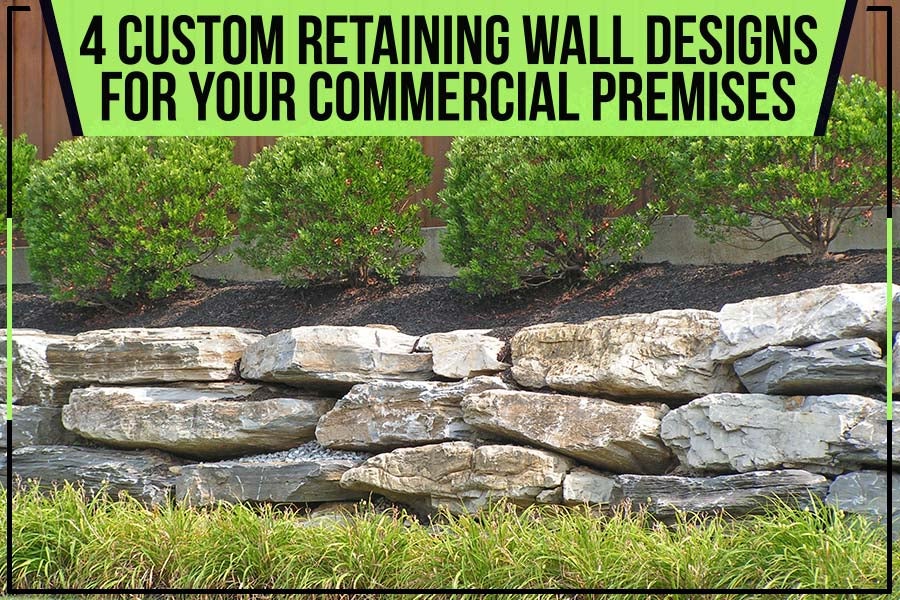
4 Custom Retaining Wall Designs For Your Commercial Premises

For commercial properties, outdoor spaces are equally important because this is where customers and visitors form their first opinion about your business. So, should you focus on functionality or aesthetics? How about both? Custom retaining walls enhance the look of your commercial premises while also providing much-needed stability. Dirt Werx, LLC discusses its pick of four custom retaining wall designs to augment your commercial building. Why Use Retaining Walls? Retaining walls are an indispensable part of any outdoor property, as they help to hold back soil and other materials. This is especially important for commercial properties, as a retaining wall can prevent erosion and protect the underlying infrastructure. In addition to valuable functions, these walls also provide a unique aesthetic that can elevate the look of your property. Type 1: Gravity Retaining Wall As its name suggests, a gravity retaining wall relies on its weight to stay in place. It allows for a massive material variety, including block, stone, and concrete. It's also one of the most affordable retaining wall options. If the structure is small with short walls, it will not require additional reinforcement. However, most gravity retaining walls will need at least a small trench to fit into and a concrete footer at the base. Type 2: Cantilevered Retaining Wall Very popular on commercial premises, cantilevered retaining walls are built by excavating a small trench and pouring concrete footings. Walls can be made from poured concrete, pre-cast concrete blocks, or interlocking units like brick or stone. The weight of the soil above keeps the cantilevered wall in place. The backfill soil is compacted as the wall is built up, so there is little to no chance of the retaining wall failing. Type 3: Sheet Piling Retaining Wall This particular type of retaining wall is perfect for sloping or uneven ground. A sheet piling wall comprises a series of steel, wood, or vinyl sheets driven into the ground, forming a "wall" of sorts. The sheet piling works only in soft soils, and for every two-thirds of the sheet above the earth, one-third should be driven below. It is a popular choice for waterfront property owners, as it effectively prevents erosion. However, larger walls will require additional anchoring, which can increase the cost of this retaining wall. Type 4: Anchored Retaining Wall Serving as a more permanent and heavy-duty retaining wall option is the anchored retaining wall. This type allows for various "fronts" or facades, as the wall is not visible from the front. Instead, the wall is built behind the retaining wall, with only the anchors visible. The most common type of anchored retaining wall uses steel cables or rods driven into the ground and attached to a large plate at the base of the retention area. The plate is then filled with concrete, which helps to anchor the wall further. The Gist Now that we've explored the different options for retaining walls, it's time to find the right one for your commercial premises. If you're looking for a reliable and experienced company in Allentown, PA, to help with your retaining wall needs, look no further than Dirt Werx, LLC. We specialize in various retaining walls, from simple designs to custom builds. Get your free estimate today!

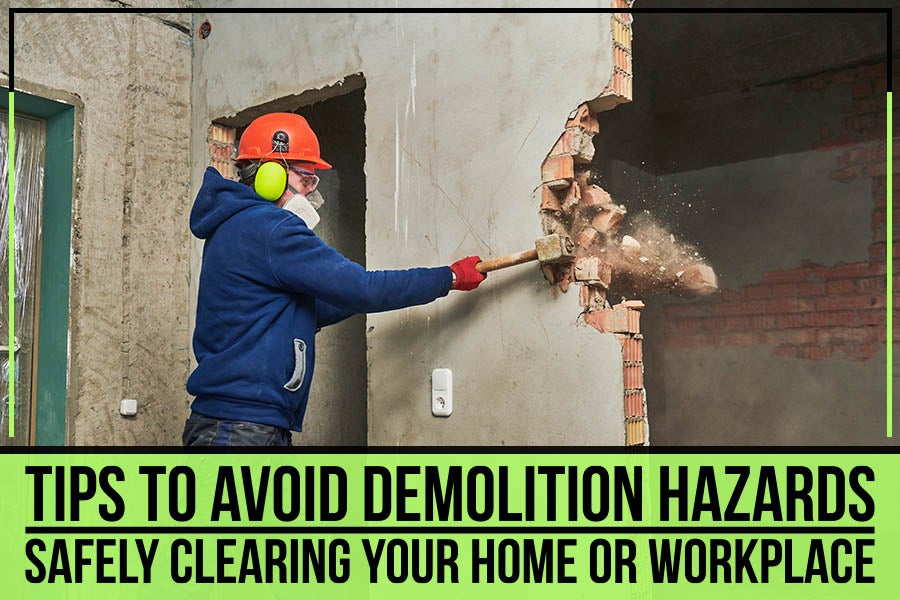
Tips To Avoid Demolition Hazards: Safely Clearing Your Home Or Workplace

Demolition is a process that can be pretty dangerous, and it's crucial to take the necessary precautions to avoid any potential hazards. You need to follow a few tips and guidelines to stay safe during a demolition project and avoid potentially dangerous situations! Some of the most common demolition hazards include falling debris, electrocution, and exposure to asbestos dust particles. Dirt Werx LLC has a few pointers you should keep in mind to avoid these common hazards! Clear The Area Before Starting Work It's essential to clear the area before starting work. If any objects or items could fall from above on someone below, they should be moved away beforehand. This will eliminate any potential risks of falling debris. Wear Protective Clothing and Gear While Working on Site Protective clothing is a must while working on-site. This includes gloves, eye protection (goggles or glasses), earplugs/muffs, respirator masks with HEPA filters for dust particles in the air such as asbestos fibers. Wearing safety gear while working will help to minimize the chances of any injuries further. Be Aware of Your Surroundings and What You're Doing This may seem like common sense, but being aware of your surroundings is critical when it comes to demolition work. Make sure you know what you're doing before starting any tasks and always be cautious. Here are a few things that you need to know about your surrounding: Pay attention to where power lines are located and note that loose power lines could fall at any time. Always be on the lookout for animals such as birds or squirrels that may have made nests in your attic or anywhere else around the site where you are working. Also, keep an eye out for gas leaks so you can avoid potential explosions from leaking pipes. Be aware of your surroundings and avoid working near live wires or gas lines. Never stand on unstable surfaces. Use caution when handling heavy equipment. Wear the appropriate safety gear when operating heavy machinery. Be sure to read and follow all safety instructions before using any tools or equipment. Take care when removing walls, ceilings, or floors. Ensure you know where the framing is hidden so you don't accidentally cut wires or pipes while demolishing. Finally, if you are looking for a contractor for demolition, make sure they are licensed and insured. Ask to see their safety certification. This is the most crucial step since an unprofessional contractor can turn your demolition project into a disaster. If you want your excavation work in Hellertown done quickly and efficiently, contact Dirt Werx LLC for professional excavation services. We are a reputable excavation contractor with a proven track record. Your safety is our priority! Get a no-obligation quotation now!

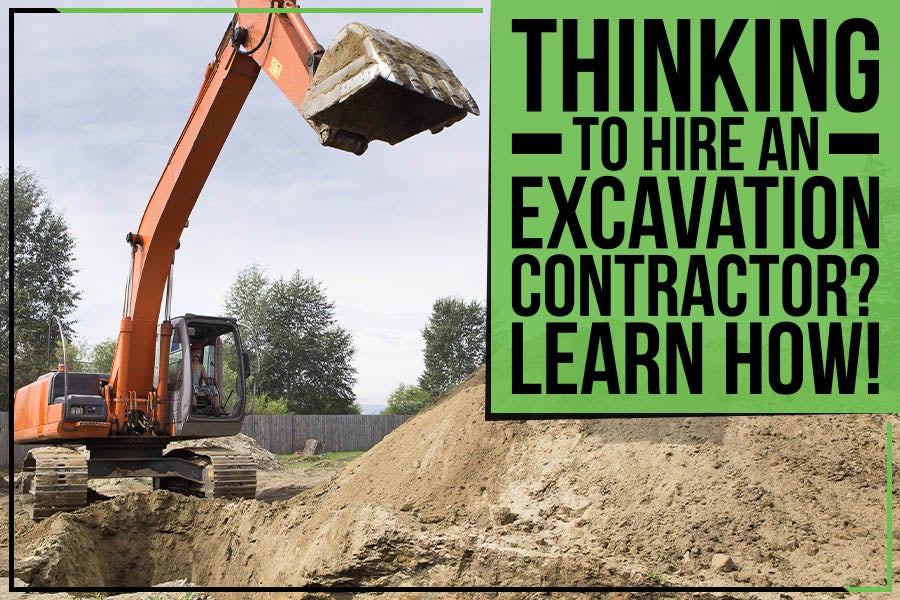
Thinking To Hire An Excavation Contractor? Learn How!

So, you have decided to excavate your land in Bangor! This is a big job, and you will need the help of an excavation contractor to get the job done right. But how to find the best one for the job? It can be tricky but don't worry. This blog post by Dirt Werx LLC will explain how to hire an excavation contractor the right way. So read on and learn how to hire the best excavation contractor for your project. Ensure they are Experienced in Your Specific Excavation Project There are several types of excavation projects: Underground Excavation: Underground or sub-surface excavation removes soil, rock, and other materials from beneath the ground. This type of excavation is often required for sewer lines, water pipes, and tunnels. Muck Excavation: Muck excavations are used when there’s a need to remove material such as mud and sludge from a construction site. Drainage Excavation: In drainage excavation, trenches are dug to create a system of underground drainage. This is often done in areas with too much water or unstable ground. Foundation Excavation: In foundation excavation, trenches are dug around the perimeter of a building to create a foundation. This type of excavation is necessary when laying down a foundation. The first step is to ensure the contractor you are considering has experience with your specific excavation project. For example, if you excavate a basement, make sure the contractor has done this before. If not, they may not be aware of all the nuances and potential challenges involved in your specific job. This can result in costly mistakes and delays. Ask for References It is also essential to check the contractor's references. Ask for past clients and contact them about their experience working with the contractor. Were they happy with the quality of work? Did the project stay on schedule? Was there any damage or disruption to their property? You will better understand how the contractor may perform on your project by getting feedback from past clients. When asking for references, also ask to see photos of past work. This is a proven way to determine if the quality of their work meets your standards and fits with your vision. Ensure They Have a License and Insurance For your protection, you must hire a licensed and insured excavation contractor. When researching prospective contractors, check to see if they have the proper licenses and insurance. If possible, ask for a copy of their license or proof of insurance to be sure. Licensed contractors are required by law to carry workers' compensation insurance. This insurance will cover any injuries that occur on the job site. If an uninsured contractor causes damage, you could be held liable. Insurance also protects you from potential damages to your property caused by the excavation work. If something goes wrong and the contractor is not insured, you could be responsible for those damages. If you want to get your excavation work done smoothly and without interruptions, you can always count on Dirt Werx LLC for unmatched excavation services in Bangor. Our excavation company is fully licensed, bonded, and insured. We are an experienced excavation contractor that you can trust with all your excavating needs. Get a free estimate.

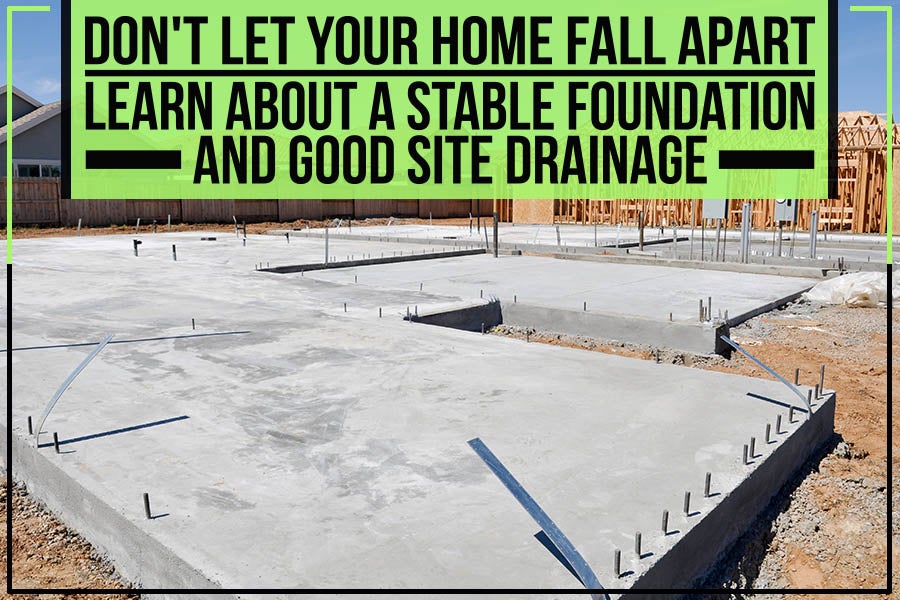
Don't Let Your Home Fall Apart: Learn About A Stable Foundation And Good Site Drainage.

There are a lot of factors to consider when you're renovating or building a new home. An important but often overlooked is site drainage and a stable foundation. By ensuring your property has proper drainage and a sturdy foundation, you can avoid costly repairs down the road and keep your home in Mount Bethel, PA, looking its best for years to come. The construction experts at Dirt Werx LLC share critical information about stable foundations and site drainage. Characteristics of a Stable Foundation: A stable foundation is critical for a long-lasting building. It's essential to make sure your property has a solid foundation to handle the weight of the house and the elements. You should do the following to ensure your foundation is stable: Check for cracks in the walls or floor; Look for signs of bowing in the walls; Check for water damage or evidence of leaks; Detecting Foundation Damage: One of the best ways to check for foundation damage is checking your doors and windows. If they are difficult to open or close, it could signify that your foundation is sinking. You can also check for concrete cracks or mortar cracks between the bricks. Another sign of foundation damage is if you notice any differences in the height of your floors from one room to another. Fixing Foundation Damage: If you find signs of foundation damage, it's essential to have it fixed as soon as possible. Leaving foundation damage untreated can lead to more significant and more expensive problems down the road. There are a few ways to repair foundation damage, but underpinning is the most common. Underpinning involves installing new concrete pillars or beams beneath the existing foundation to support it. Features of a Good Site Drainage: If you have an excellent site drainage system in place, it can help protect your home from severe problems like flooding and foundation damage. It's essential to ensure that your site drainage system is installed correctly and maintained. Some of the features of a sound site drainage system include: A graded landscape that slopes away from your home; Drainage pipes that are appropriate in size and slope in the right direction; Grates or screens over drainage pipes to keep debris from clogging them up; Detecting Issues: It’s vital to detect any problems with your home’s foundation and site drainage early on so that you can take corrective action. Some signs that indicate problems include: Water standing in your yard after a rainstorm; Mud or water leaking into your basement; Cracks in the concrete of your foundation; Sinking or settling of your home’s foundation; Solution: Pouring gravel over the soil; Installing French drains to prevent water collection; Repairing cracks in the foundation by filling with cement or epoxy; Use piers and jacks for sinking foundation; If you notice any foundation drainage or site drainage problems at your home in Mount Bethel, PA, it’s essential to address them as soon as possible. Dirt Werx LLC offers various services to help homeowners maintain their home's stability and prevent future problems. Get a free estimate today.

Contact Us

Fill out this form below and we'll contact you shortly
*Required Fields