Blog / Dirt Werx LLC Blog

Blog

All Dirt Werx LLC Blog Data Center Construction Dirt Werx Service
Understanding Land Clearing Costs.

Land Clearing Costs in Lehigh Valley, PA: What to Expect

When you're preparing your property for construction in the Lehigh Valley, one of the first major steps is land clearing. This crucial process involves removing trees, shrubs, rocks, and other obstructions from your land to create a clean slate for construction. However, before you can break ground, it's important to understand the costs associated with land clearing and what factors influence these expenses. Understanding Land Clearing Costs In PA The cost to clear land in Pennsylvania can vary significantly depending on several key factors. On average, land clearing prices per acre in Pennsylvania can range from a few hundred to several thousand dollars. Here’s what you need to know: more noteaser 2. Type and Density of Vegetation The type and density of vegetation on your property also impact the cost. Land covered in dense trees, thick brush, and large rocks will be more expensive to clear compared to a plot with sparse vegetation. If your property requires tree removal, stump grinding, or the clearing of particularly rocky terrain, you can expect the cost to rise. 3. Topography and Terrain The topography and terrain of your land can significantly influence the cost of land clearing. Flat land is generally easier and less expensive to clear, while hilly or uneven terrain requires more specialized equipment and labor, which can increase costs. 4. Debris Removal and Disposal After clearing the land, the debris must be removed and properly disposed of. This can include tree trunks, branches, rocks, and any other material cleared from the site. The cost of debris removal can add up, especially if large amounts of waste need to be transported off-site. 5. Permit and Inspection Fees In many areas, land clearing requires permits and may be subject to inspections. The cost of obtaining the necessary permits and ensuring compliance with local regulations should be factored into your overall budget. Failing to secure the proper permits can lead to fines or delays in your project. Allow Dirt Werx to guide you through these requirements. Estimating the Cost of Land Clearing Given these factors, the cost of having land cleared can range widely. As a rough estimate, you can expect to pay anywhere from $1,000 to $5,000 per acre, depending on the specific conditions of your property. It’s advisable to Get a Free Estimate from Dirt Werx LLC, to understand the range of costs and ensure you're getting a fair price for the work. Choosing the Right Contractor Selecting Dirt Werx for your land-clearing project is crucial to ensuring the job is done efficiently and within budget. We are excavation contractors with experience in the type of clearing your property requires, whether it’s simple brush removal or more complex excavation work. Click Here to Read our Google Reviews of our previous work. Conclusion Land clearing is an essential step in preparing your property for construction, but it comes with costs that vary depending on several factors. By understanding these factors, such as the property size, type of vegetation, terrain, and necessary permits, you can better estimate your land clearing costs and plan your budget accordingly. Always consult with experienced contractors and obtain multiple quotes to ensure you make informed decisions that set the foundation for a successful construction project. By being proactive and well-informed, you can manage land-clearing costs effectively and take the first step toward turning your property into the perfect site for your new construction. If you reside in the Lehigh Valley, Allentown area or anywhere in Eastern, PA Contact Dirt Werx Today!

9-consideration-when-choosing-the-right-retaining-wall-for-your-property. Dirt Werx.

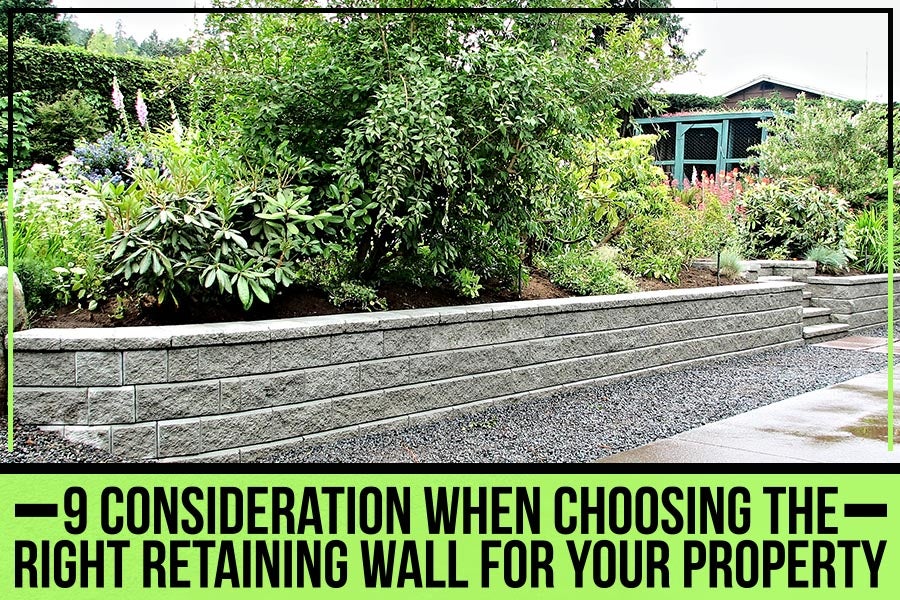
9 Consideration When Choosing The Right Retaining Wall For Your Property

The benefits of having a retaining wall are very clear. Not only does it beautify your property, but it also helps to keep landscaped terraces of soil in place and manage water runoff. With so many creative designs of retaining walls on the market, it can be challenging to determine the right one for you. In this blog post, we'll give you pointers on how to choose the right retaining wall for your needs. So, continue reading! 1. Location - The soil texture, slope, and drainage patterns are a few factors to consider when deciding on your retaining wall's location. A firm and well-drained soil offers maximum support to a retaining wall. 2. Type of Retaining Wall - There are multiple retaining wall types available in the market, like timber, concrete, brick, and stone walls. The selection depends on many factors, such as the purpose of the wall, height, and load-bearing capacity. 3. Size of Retaining Wall - The size of your retaining wall will be determined by its purpose. A smaller wall will suffice if you're looking to accent your landscaping. However, if you're looking to create more functional space or manage runoff from a larger area, you'll need a taller and broader wall. 4. Structural Support - Gravity alone will not be enough to hold the soil behind the retaining barrier. You'll need additional reinforcement methods to support the wall and ensure its longevity. 5. Drainage System - Water is the biggest nemesis of a retaining wall; you need to ensure the wall has a proper drainage system to avoid water damage. 6. Materials - You can use many materials for a retaining wall, and each offers unique benefits to go with factors like heat & precipitation – which can influence the soil. Work with a qualified retaining wall installer to choose the best material for your needs. 7. Maintenance and Repair - Even the best-built retaining walls will need regular maintenance and occasional repairs. Develop a foolproof plan to avoid these eventualities. 8. Consider the Purpose of the Retaining Wall – Are you looking to create unique outdoor living spaces? Improve your home's curb appeal? Protect your property from water damage? The retaining wall's purpose - why you need the retaining wall - will help determine the best material and style for your needs. 9. Durability - Retaining walls are subject to a lot of wear and tear, so choosing a material that can withstand the elements is essential. Some popular choices include concrete, stone, and brick. How Does Your Property Benefit From A Retaining Wall? Retaining walls can offer many benefits to your property. You can use them to create unique outdoor living spaces, increase your home's curb appeal, and improve the overall value of your property. When appropriately installed, retaining walls can also help to prevent soil erosion and protect your home from water damage. If you require a retaining wall for your property, Dirt Werx LLC is the company to call in Easton. Our excavation experts will help you choose the right retaining wall for your needs and install it quickly and efficiently. Contact us today for a free estimate on retaining walls installation!

Dirt-werx

Why Is Land Surveying Crucial To A Construction Project?

Key Takeaways: Boundary surveys, also known as property line surveys, are used to determine the exact boundaries of a property. Topographical surveys are used to map the physical features of a property, such as its elevation, contours, and existing features. One of the primary benefits of a land survey is that it provides accurate information about a property's various attributes. The soil's stability is essential for any building's foundation. Site preparation involves grading and ensuring the soil is compacted and stable. Land surveying is a crucial part of the construction industry. It provides the means to accurately measure, define, and map boundaries on land to establish precise locations of buildings and other structures. Land surveying is used for various applications, including engineering, construction planning, residential developments, boundary disputes, and resource management. Surveying can also provide invaluable data on topography, soil conditions, vegetation, and other natural features. The objective of surveying is to collect accurate data about the physical environment that can be used for various purposes, including creating maps, land development plans, property boundary disputes, and more. Land surveyors use advanced technology such as Global Positioning Systems (GPS) and Remote Sensing (RS) to measure and map land features. They then use this data to create detailed maps, drawings, and reports that are used as the basis for further analysis and decision-making. In this blog post, experts from Dirt Werx LLC will dive deep into the importance of land surveying in construction. We'll explore the types of commonly used surveys while discussing the benefits that each of these surveys offers to land developers. Types of Land Surveys Different types of surveys are used to gather information about a site. Each of these surveys serves a specific purpose and offers unique benefits to land developers. Boundary Surveys Boundary surveys, also known as property line surveys, are used to determine the exact boundaries of a property. These surveys are essential for resolving property disputes, determining the size and shape of a property, and identifying any encroachments or easements on the land. During a boundary survey, a land surveyor will thoroughly investigate the property's legal description and examine all relevant documents, such as deeds and plats. They will then physically measure and mark the property lines using specialized equipment and techniques. Topographical Surveys Topographical surveys, also known as land surveys, are used to map the physical features of a property, such as its elevation, contours, and existing features. These surveys are essential for determining the suitability of a site for construction, identifying any potential hazards or obstacles, and planning the development layout. During a topographical survey, a land surveyor will use specialized equipment and techniques to measure and map the property's physical features. Construction Staking Surveys Construction staking surveys mark the exact location of structures and other features on a construction site. These surveys are essential for ensuring construction is accurate and meets the required specifications. During a construction staking survey, a surveyor will use specialized equipment and techniques to mark the precise location of structures, utilities, and other features on the site. Also Read: 3 Things Your Site Preparation Contractor Wishes You Knew Benefits of Land Surveying Land surveys provide valuable information for land developers and are crucial for ensuring the success of a construction project. Accurate Property Lines One of the primary benefits of a land survey is that it provides accurate information about a property's boundaries. Understanding this information is important to settle property disputes, recognize intrusions or privileges, and ensure that a property is assessed and taxed accurately. Site Analysis Land surveys provide detailed information about the physical features of a property, including its elevation, contours, and existing features. This information is essential for site analysis and can help developers determine the suitability of a site for construction. By understanding the site's characteristics, developers can plan the development layout, identify potential hazards or obstacles, and ensure that the development meets all necessary specifications. Planning and Design Land surveys are also essential for planning and designing a construction project. By providing accurate information about a property's boundaries, physical features, and existing features, land surveys can help developers create detailed plans and designs for the development. This information is essential for ensuring the development meets all specifications and complies with local regulations. Construction Accuracy Land surveys are also crucial for ensuring construction accuracy. By marking the precise location of structures, utilities, and other features on the site, land surveys can help ensure that construction is accurate and meets all necessary specifications. This information is essential for avoiding costly mistakes, such as building structures in the wrong location or elevation. Legal Protection Finally, land surveys can provide legal protection for developers. They can help developers avoid legal disputes and ensure that the development complies with the necessary regulations by providing accurate information about a property's boundaries, physical features, and existing features. What To Look for When Hiring a Land Surveyor Hiring a land surveyor is an important decision that can impact your project's success. Therefore, knowing what to look for when hiring a land surveyor is essential. Qualifications and Experience When hiring a land surveyor, the first thing to consider is their qualifications and experience. You'll want to ensure that the surveyor you hire has the proper licensing and certifications required by your state or local government. Additionally, you should look for a surveyor with extensive experience in your project's specific type of surveying. Reputation and Reviews You can check the surveyor's reputation by asking for referrals from past clients, checking online reviews, and looking at their website for testimonials. A reputable surveyor will have positive reviews from satisfied clients and will happily provide references. Technology and Equipment The technology and equipment used by a land surveyor can make a significant difference in the accuracy and efficiency of the survey. Therefore, it's important to ask about the equipment and technology used by the surveyor you're considering. Look for a surveyor who uses the latest surveying equipment and software to ensure accurate and efficient surveying. Communication and Customer Service Effective communication and customer service are essential when working with a land surveyor. You'll want to hire a surveyor who is responsive to your needs, communicates clearly and effectively, and provides excellent customer service. A surveyor who takes the time to listen to your concerns and provides clear explanations of the surveying process and results will make your project run more smoothly. Dirt Werx LLC Has Site Preparation Experts to Help You with Your Project If you are planning a construction project in Easton, you must work with a reputable and experienced contractor who can help you with these critical aspects. At Dirt Werx LLC, we specialize in excavation, demolition, land clearing, and site preparation services. Our team of experienced site preparation experts has the knowledge and expertise to ensure that your site is correctly prepared for construction and that your project succeeds. Get a free estimate today.
what-are-the-risks-of-a-residential-demolition. Dirt Werx.

What Are The Risks Of A Residential Demolition?

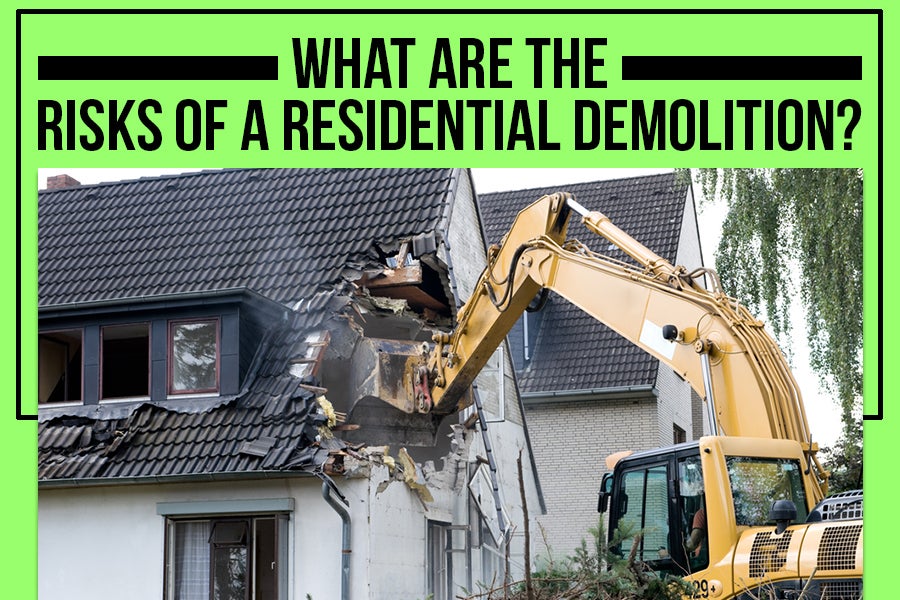
Key Takeaways: Residential demolition involves heavy machinery, power tools, and falling debris that can cause serious injuries or fatalities if proper safety protocols are not followed. Demolition work can generate strong vibrations that damage adjacent structures, especially if the demolished building is attached to other facilities. If mishandled, older homes may contain hazardous materials such as asbestos, lead-based paint, or other toxic substances that threaten workers and the environment. Residential demolition can disrupt the surrounding community, causing noise, air, and other disturbances. Every year, thousands of residential properties across the United States are demolished to make way for new developments or to remove outdated and unsafe structures. While residential demolition may seem routine, it is not without risks. According to a report by the Bureau of Labor Statistics, the construction industry accounted for 21.2% of all workplace fatalities in 2020, with demolition and excavation work being among the most hazardous. From potential health and safety hazards to environmental concerns, residential demolition poses several risks that must be carefully managed. In this blog post, demolition experts from Dirt Werx LLC will explore the risks associated with residential demolition and the best practices for minimizing those risks. Whether you are a homeowner planning a renovation or a contractor offering demolition services, understanding these risks is crucial to ensuring a safe and successful project. Risks Associated with Residential Demolition Residential demolition is a complex process that involves several potential hazards. Although the goal is to remove outdated or unsafe structures to make way for new development, the demolition process can pose a significant risk to workers and bystanders. Here are some risks associated with professional residential demolition. Health and Safety Hazards Residential demolition involves heavy machinery, power tools, and falling debris that can cause serious injuries or fatalities if proper safety protocols are not followed. Workers are at risk of accidents, and bystanders may be in danger if they are too close to the demolition site. To minimize these hazards, contractors must implement proper safety protocols, provide workers with the right safety gear, and ensure that everyone on the site follows safety guidelines. Structural Damage to Neighboring Buildings Demolition work generates strong vibrations that can damage adjacent structures, especially if the demolished building is attached to other buildings, such as in a row house or complex apartment setting. The risk of structural damage can be heightened in these cases, making assessing and managing the risk critical. Residential demolition experts must have a detailed plan to minimize structural damage and prevent liability for repair costs. Environmental Hazards If handled incorrectly, older homes may contain hazardous materials such as asbestos, lead-based paint, or other toxic substances that threaten workers and the environment. These dangerous materials require proper identification, removal, and disposal according to strict regulations to minimize exposure and contamination. Home demolition contractors must comply with local, state, and federal regulations when dealing with hazardous materials during demolition. Noise and Air Pollution The demolition process generates high levels of noise that can disturb neighbors and cause health problems for workers. Dust and debris from the demolition can also lead to air pollution, harming the environment and people's health. To minimize the impact of noise and air pollution, home demolition contractors must use proper equipment. They can also implement noise-reduction measures such as sound barriers and dampening materials. Dust control measures such as spraying water or using vacuum systems are also necessary. Damage to Underground Utilities and Infrastructure Water, gas, and electrical lines may be located near the demolished building, making them vulnerable to damage. Damage to these utilities can lead to costly repairs and service interruptions, affecting not just the property being demolished but also neighboring properties. To prevent damage to underground utilities and infrastructure, contractors must have accurate and up-to-date information on the location of these utilities and plan the demolition accordingly. It may involve shutting off utilities during the demolition, rerouting them, or taking other necessary precautions. Also Read: 5 Arena Maintenance Tips for Horse Arenas Best Practices for Minimizing Risks Contractors can implement several best practices to minimize risks to workers, neighboring properties, and the environment. Here are some of the best practices that can help reduce the risks associated with residential demolition: Conducting a Thorough Risk Assessment Before starting demolition work, contractors should conduct a thorough risk assessment to identify potential hazards and develop a plan to minimize them. The risk assessment should include an evaluation of the structural integrity of the building, the presence of hazardous materials, the proximity of neighboring buildings and utilities, and the environmental impact of the demolition. Implementing Safety Protocols and Procedures To minimize the risk of accidents and injuries, contractors should implement safety protocols and procedures that meet or exceed industry standards. It includes providing workers with the appropriate safety gear, ensuring that workers are adequately trained on using the equipment safely and establishing safety protocols for handling and disposing of hazardous materials. Using the Right Equipment and Techniques Choosing the right equipment and demolition techniques can minimize risks associated with residential demolition. For example, using hydraulic excavators and cranes to remove large structures can reduce the risk of structural damage to neighboring buildings. Similarly, high-reach excavators can help reduce the risk of damage to underground utilities and infrastructure. Correctly Identifying and Handling Hazardous Materials As discussed before, older homes may contain hazardous materials, posing a risk to workers and the environment if improperly handled. Demolition contractors must identify and manage these materials according to strict regulations, including proper removal, disposal, and reporting of incidents. Engaging with Neighbors and Local Authorities Residential demolition can disrupt the surrounding community, causing noise, air, and other disturbances. Engaging with neighbors and local authorities can minimize the impact of the demolition and promote good relationships with the community. It can include communicating the demolition schedule, providing information about safety protocols, and addressing any concerns or complaints during demolition. By implementing these best practices, contractors can minimize the risks associated with residential demolition, promote safety for workers and bystanders, and protect neighboring properties and the environment. Dirt Werx LLC Has Professional Demolition Experts to Get the Job Done If you're planning a residential demolition project in Bethlehem, working with a professional demolition expert that prioritizes safety and adheres to best practices is essential. At Dirt Werx LLC, we specialize in excavation, demolition, land clearing, and site preparation services. We're committed to providing our clients safe, efficient, and reliable services. So why wait? Contact us today to get a free estimate.

What Makes Land Clearing So Necessary. Dirt Werx

What Makes Land Clearing So Necessary?

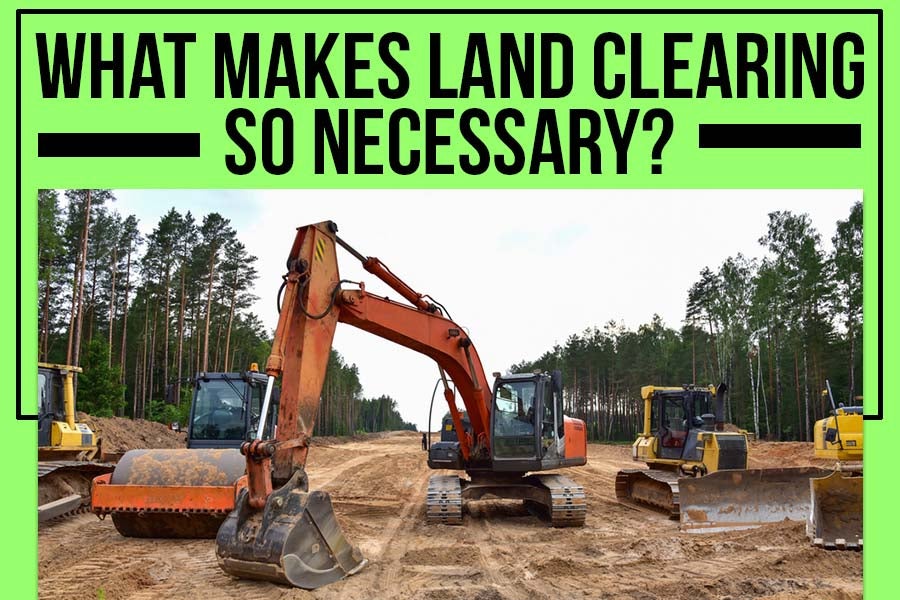
Key Takeaways: Land clearing removes existing structures and other obstacles from an undeveloped area to make it suitable for construction projects. It is necessary to increase land value and aesthetics, eliminate fire hazards, create accessible areas, prepare for construction, protect against pests, etc. Hiring a professional land-clearing service provides many benefits, such as cost savings and increased safety. Dirt Werx LLC specializes in efficient and effective land-clearing services tailored to specific needs with competitive prices while delivering superior results. Standing amidst a wild expanse of land, one must admire the beauty of its untamed wilderness. The trees tower overhead in an impressive array, each bearing its unique characteristics among the richness of nature's vastness. But while there is undeniable magnificence to behold in such scenery, it’s also a reminder that this land has been untouched by construction endeavors - until now. As any knowledgeable builder knows, preparing a plot for development entails more than simply breaking ground; it starts with thorough terrain clearing to make that vision a reality. Dirt Werx LLC examines why land clearing is necessary for successful building outcomes in this blog post. Land Clearing - An Overview Imagine you have just purchased a site that you intend to build upon. Whether for a commercial project or residential purpose, the first step is land clearing - which in layperson's terms, refers to removing obstacles from an undeveloped area to make it suitable for construction projects Depending on what's required by your project, land clearing may involve the removal of trees, stumps, undergrowth, and other vegetation. It may even entail excavating rocks and demolishing existing buildings that stand in the way or take away from the desired outcome. Reasons Why Land Clearing Is Necessary There are a couple of reasons why land clearing needs to be done for any development project: 1. Increase Land Value & Aesthetic By removing all the debris, dead trees, and other unwanted items on a property, you can transform what seemed like unusable terrain into something suitable for construction projects such as houses, yards, or commercial buildings. 2. Eliminate Fire Hazards Dead vegetation, brush, and other combustible materials can create a fire hazard if they accumulate in the same area for too long. Depending on where you live, this could be especially dangerous during wildfire season when there are higher chances of an uncontrolled blaze getting out of hand. To prevent this from happening, land clearing services can come in and completely remove any flammable debris from the property. It helps to ensure no fire risk on your property or nearby areas. Also read: Homeowner’s Guide: Differences Between Trenching & Excavation 3. Create Accessible Areas Areas with heavy foliage may be difficult or inaccessible by foot, car, or machinery. By clearing away overgrown trees and brush, land-clearing services can create accessible pathways for people and vehicles, including hiking, biking, or horseback riding trails. It is also beneficial if you regularly transport equipment or supplies onto a piece of land since it will make doing so much easier than trying to move around obstacles every time. 4. Prepare For Construction If you're considering building on a piece of land, land-clearing services can clear away trees, shrubs, and other obstructions to make room for any construction project. 5. Protect Against Pests When overgrowth is cleared away, there’s less risk of pests on your property or nearby areas. Overgrown vegetation provides an ideal environment for many insects and animals, which can spread disease and cause damage if left unchecked. By hiring land clearing services, You can avoid these issues, and your property will be protected against the threats of pests. 6. Maintaining Property Value A well-maintained property can help with increasing its real estate value. When land is cleared away, it helps to create an open space that potential buyers are more likely to find attractive. It may increase the value of your property and make it easier to sell down the line. 7. Reduce Disease Spread Land clearing can also help to reduce the spread of diseases, such as those carried by mosquitos. Removing tall grass or other vegetation that provides a breeding ground for pests reduces the risk these animals and insects pose. Benefits of Hiring Land Clearing Professionals Professionals are experienced in this area and know what tools to use to do the job quickly and effectively without damaging your land. They will also be able to advise you on how best to maintain your property for the long term. In addition, professionals are aware of any regulations that may apply in your region and can ensure that you follow them correctly. Regarding safety concerns, they can provide an extra layer of security for keeping your family safe. Hiring a professional land-clearing service provides many benefits, including cost savings, efficiency, potential environmental improvements, and increased safety. Suppose you need help clearing or maintaining your land over the long term. In that case, a professional land-clearing service may be your solution. Professional land-clearing services specialize in preparing and maintaining land for construction or other uses. They have the necessary knowledge, skills, and equipment to quickly and efficiently clear vegetation, remove debris, grade terrain, and build roads, among other tasks. Additionally, professional land-clearing services often possess experience working with local governmental bodies and organizations to ensure timely execution and compliance with regulations. Let Dirt Werx Take Care Of It With numerous years of experience in the construction sector, Dirt Werx LLC is renowned for being one of Allentown's premier service providers. Our experienced team consists of experts fully qualified to execute all types of complex building tasks with confidence and accuracy. Our services come at competitive prices for your convenience and satisfaction while delivering superior results! Regarding land clearing, Dirt Werx LLC is the team you can depend on. We specialize in efficient and effective land-clearing services tailored to your specific needs. Our professionals will start by carefully reviewing your project requirements to ensure that all necessary guidelines are followed for maximum safety and satisfaction. Get a free estimate today.
Footing Material Matter In Horse Arenas. Dirt Werx.

Does Footing Material Matter In Horse Arenas?

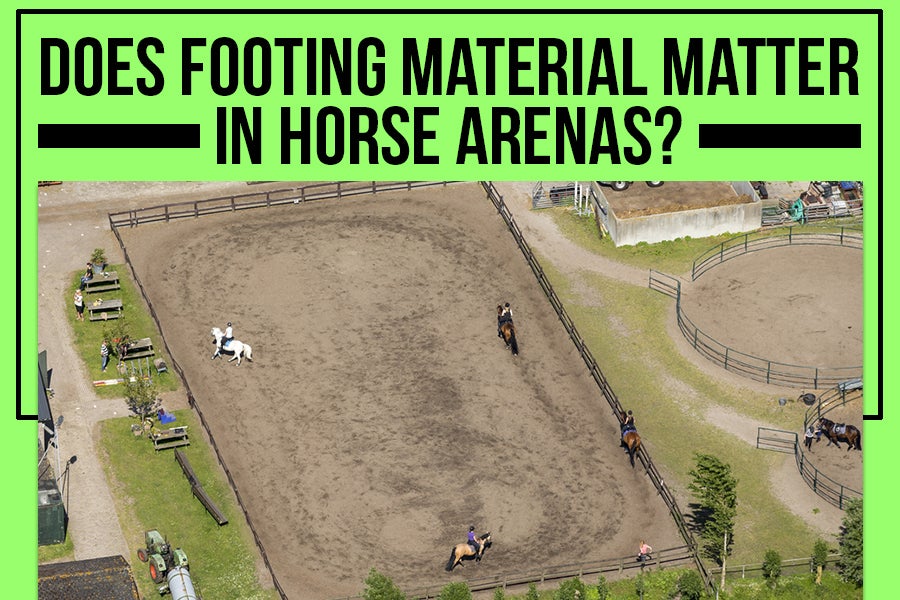
Key Takeaways: The footing material used in a horse arena is critical to the horse and rider's overall safety, health, and performance. Sand is the most commonly used footing material in horse arenas due to its affordability, easy availability, and good drainage properties. Clay is a popular footing material for dressage arenas, providing a firm and stable surface with good traction. It also retains moisture well, making it a good choice for dry climates. Wood chips offer good traction and cushioning and are highly absorbent, making them ideal for wet environments. Stomping, snorting, and joyously careening across an open field - what could be more exhilarating for a horse in its natural habitat? The earthy scent of sawdust, the crunch of sand beneath hooves, and the sound of a horse and rider in harmony as they move through a carefully crafted arena is a unique experience for many equestrian riders. But what type of footing is best for horses? Does it matter what material makes up the ground in an arena or corral? The answer may surprise you. Good friction, shock absorption, and cushioning are critical elements to consider when deciding on your stadium surface to prevent injury to your horse. In this post, horse arena experts from Dirt Werx LLC will explore the various types of footing materials to help every proud owner choose wisely when creating their perfect mounting block. Importance of Footing Material The footing material used in a horse arena is critical to the overall safety, health, and performance of both the horse and rider. The wrong type of footing material can create several problems, including dust, slippage, and unevenness, which can cause injuries to horses and riders. Conversely, the correct type of footing material can provide the necessary cushion and support for the horse's legs and hooves, promote good traction, and offer a consistent riding surface. In addition to safety concerns, footing material can impact the horse’s overall performance. Different types of riding disciplines, such as dressage, show jumping, and reining, require different types of footing material to optimize performance. Types of Footing Materials Several types of footing materials can be used in a horse arena, each with unique characteristics and benefits. Here are some of the most common types of footing materials used in horse arenas: Sand Sand is the most commonly used footing material in horse arenas due to its affordability, easy availability, and good drainage properties. Sand also offers good traction and cushioning, making it a suitable option for most riding disciplines. However, it can become dusty and may require regular maintenance. Clay Clay is a popular footing material for dressage arenas, providing a firm and stable surface with good traction. It also retains moisture well, making it a good choice for dry climates. However, clay can become hard and compacted over time, requiring regular tilling and conditioning. Rubber Rubber footing is becoming increasingly popular in horse arenas due to its shock-absorbing properties, which can reduce stress on the horse's legs and hooves. It also offers good traction and cushioning and is highly durable. However, it can be expensive and may require frequent maintenance. Wood Chips Wood chips are an eco-friendly and natural alternative to traditional footing materials. They offer good traction and cushioning and are highly absorbent, making them ideal for wet climates. However, they can be expensive and require regular replenishment. Other Materials Other footing materials sometimes used in horse arenas include shredded rubber, geotextile fabrics, and synthetic fibers. Each material has unique properties and benefits, making it suitable for specific applications. Also Read: 5 Maintenance Tips for Horse Arenas Factors To Consider When Choosing Footing Materials When selecting a footing material, there are several factors that you should consider, including: Climate and Environment The climate and environment in which the arena is located play a significant role in selecting the footing material. For instance, a wet and humid climate may require a footing material that drains well. In contrast, a dry environment may require a more water-retentive material. Discipline of Riding Different riding disciplines require different types of footing material to optimize performance. Dressage arenas, for instance, require a firm and level surface with minimal slippage. In contrast, show jumping requires a cushioned surface with good traction and rebound. Type of Horses The type of horses using the arena is also crucial when selecting footing material. For example, a heavy draft horse may require more cushioning than a light Arabian. In contrast, a horse with joint problems may need a softer footing to minimize stress on the legs and hooves. Maintenance and Cost The cost and maintenance requirements must also be considered. Some materials may require regular tilling, conditioning, and replenishment, while others may be more low-maintenance. Similarly, some materials may be more expensive than others. Other Considerations Other factors to consider when selecting a footing material include the availability of the material, its durability, the risk of dust or airborne particles, and its overall suitability for the intended use of the arena. Bottom Line Selecting the appropriate footing material is a crucial decision that can significantly impact the horse’s health and performance. An unsuitable footing material can result in injuries and other problems. In contrast, the suitable footing material can provide support and cushion, promote good traction, and offer a consistent riding surface. When choosing a footing material, it is essential to consider various factors, such as the climate, riding discipline, horse type, maintenance requirements, and cost. Seeking guidance from an expert in equestrian arena construction and footing materials can help ensure that the most suitable footing material is selected and tailored to the specific needs and preferences of the arena. Dirt Werx LLC Can Help Build a Horse Arena as Per Your Needs! If you're planning to construct a new horse arena or renovate an existing one, choosing the right footing material is crucial for the safety and performance of your horse and rider. Considering the various factors in this decision, Dirt Werx LLC can provide expert guidance and top-quality excavation and horse arena construction services in Hellertown. Our services include excavation, demolition, land clearing, and site preparation. Contact us today to get a free estimate.

Retaining Wall Height. Dirt Werx

Retaining Walls - How High Should My Wall Be?

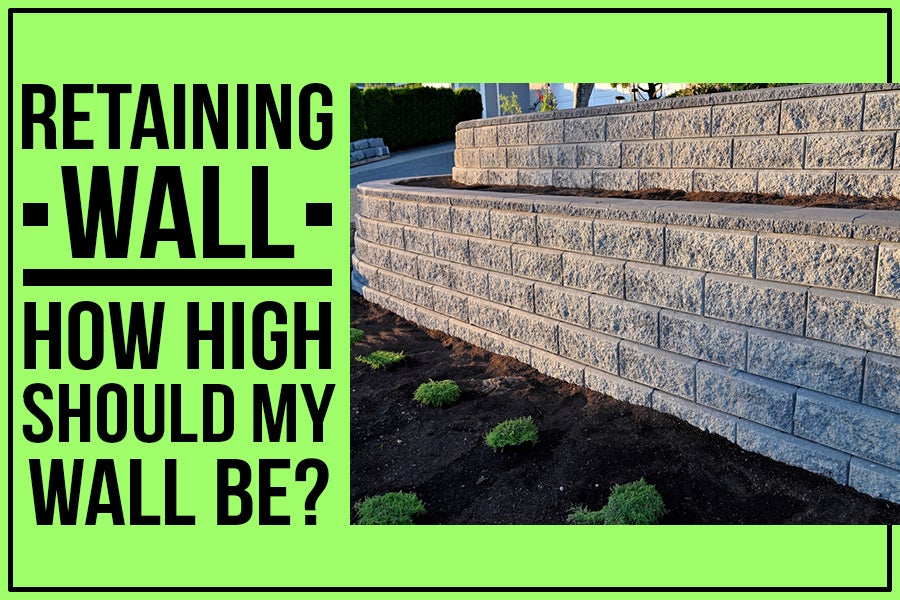
Key Takeaways: The primary purpose of retaining walls is to resist the lateral pressure of soil and protect against erosion. The soil type and conditions play a significant role in determining the height of the retaining wall. If the soil is loose, it will require a taller retaining wall to prevent erosion. Building codes and regulations vary from region to region. It is essential to consult with local authorities to determine the It is recommended to seek professional advice and consultation from experienced retaining wall construction experts. There’s something particularly eye-catching and beautiful about a retaining wall in a person's yard. Whether it is the faint lines of stone, ceramic tile, or concrete – each level is carefully connected with mortar to create a long-standing structure with one purpose - to move the earth and separate two distinct areas. But before embarking on such a project, there needs to be careful consideration taken so not only will your design last for years but for safety purposes too! So, what are some things you need to consider when determining how high should your wall be? In this blog post, construction experts from Dirt Werx LLC will discuss different factors to consider when determining the height of a retaining wall. Why Do You Need a Retaining Wall? The primary purpose of retaining walls is to resist the lateral pressure of soil and protect against erosion. They also safeguard against flooding, create a level area, or add an aesthetic touch to your yard. Depending on why you need a retaining wall will determine how high it should be. Factors To Consider When Determining the Height of a Retaining Wall Several factors should be considered when determining how high your retaining wall should be considered. Soil Type and Conditions The soil type and conditions play a significant role in determining the height of the retaining wall. If the soil is loose, it will require a taller retaining wall to prevent erosion. On the other hand, if the soil is compact, a shorter wall may be sufficient. Purpose of the Retaining Wall The purpose of the retaining wall should also be taken into account. If the wall is being built for decorative purposes, it may be smaller than a wall for functional purposes such as erosion control or property line retention. Local Building Codes and Regulations Building codes and regulations vary from region to region, and it is essential to consult with local authorities to determine the maximum height of a retaining wall allowed in your area. Property Line Restrictions Property lines may also limit the height of the retaining wall. Sometimes, the wall may need to be shorter to comply with property line regulations and avoid disputes with neighbors. Aesthetic Considerations The retaining wall's height should also consider the overall look and feel of the property. A tall retaining wall may be unsightly and detract from the property’s aesthetic. In contrast, a shorter wall may blend in better with the surroundings. Considering these factors will help you determine the ideal height for your retaining wall, ensuring that it serves its intended purpose while complementing your property’s overall look and feel. Also Read: Retaining Wall Design And Its Types Used In Construction The Benefits of a Retaining Wall Erosion Control One of the primary benefits of a retaining wall is its ability to control erosion, particularly in areas with loose soil or steep slopes. A retaining wall helps to stabilize the soil, preventing it from sliding or eroding. Increased Property Value A well-constructed retaining wall can also increase the value of your property by providing an attractive and functional landscaping feature. It can also create usable outdoor space, such as a terraced garden or outdoor living area. Flood Control A retaining wall can help prevent flood damage in areas prone to flooding by directing water away from buildings and other structures. Landscape Design Retaining walls can also be used to enhance your landscaping design. They can create tiered gardens, water, and other visually appealing features. Increased Privacy Besides adding visual appeal, retaining walls can provide increased privacy for your property. By blocking views and creating a sense of separation, a retaining wall can increase the privacy and security of your property. What Should the Ideal Height of a Retaining Wall be? Assessing the Site To determine the ideal height for your retaining wall, you should assess the site and consider the factors mentioned in the previous section. It will give you an idea of the challenges and requirements of your retaining wall project. Seeking Professional Advice and Consultation It is recommended to seek professional advice and consultation from experienced retaining wall construction experts, who can provide a more accurate assessment of the site and help you determine the ideal height for your retaining wall. Balancing Advantages and Disadvantages Once you know the maximum height allowed by local regulations, you can balance the advantages and disadvantages of different height options. For example, a taller retaining wall may provide better erosion control. Still, it may also be more expensive and take up more space. Consider Future Needs Consider any potential needs for the retaining wall, such as landscaping or other changes. A taller wall may provide more flexibility for future changes. Bottom Line The height of a retaining wall is a crucial consideration when building or renovating a property. It is vital to seek professional advice and consultation and consider any future needs before making a final decision. Investing in a retaining wall can be a valuable addition to any property. With the right height and design, it can enhance the look and functionality of your property for years to come. Dirt Werx LLC offers Quality Retaining Wall Construction Services in Bangor! If you're considering a retaining wall for your property, working with experienced professionals is essential. They can help you determine the ideal height and design for your needs. Our team at Dirt Werx LLC offers a wide range of retaining wall construction services, including site assessment, design and planning, and expert installation. We use only the highest quality materials and techniques to ensure the longevity and stability of your retaining wall. Our services include excavation, demolition, land clearing, and site preparation. So why wait? Contact us today to get a free estimate and learn more about how we can help you achieve your retaining wall goals.

Make Construction Cost-Effective With Site Prep.

Make Construction Cost-Effective With Site Prep

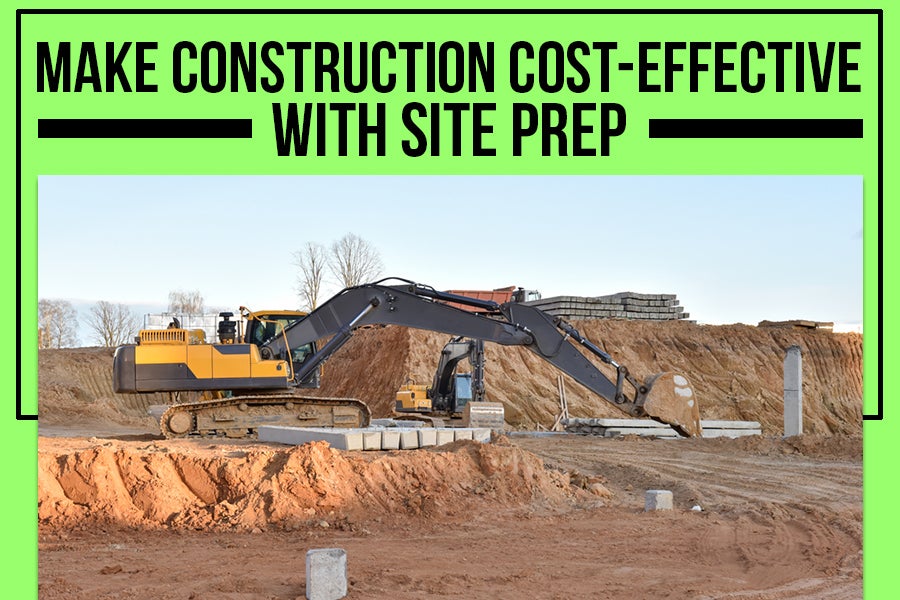
Key Takeaways: Site preparation is the most significant portion of construction costs, especially in metropolitan areas. It is the process of preparing a site for construction. It involves clearing the site, surveying the land, testing soil, grading the land, and accessing utilities. It is essential because it helps ensure a level foundation, improves landscaping, and reduces construction costs and inefficiencies. Hiring professional contractors for the preparation process is recommended as they have access to modern tools and experienced workers, which can result in efficient construction and cost savings. Construction projects can be complex and costly, with many variables impacting the budget and the timeline. One of the biggest challenges in construction is controlling costs, which is where site preparation comes in. A recent study indicates that it is the most significant portion of construction costs, especially in metropolitan areas. By effectively preparing the site and considering all aspects of the project, construction teams can reduce costs and ensure a more efficient build. Dirt Werx LLC will delve into details of site prep and how it makes construction cost-effective. What Is Site Preparation? For any construction project, you must first prepare the site. It includes grading, removing existing structures and obstacles, stabilizing the soil for a foundation, or preparing for landscape or utilities. Site preparation is necessary for any construction project because it provides the groundwork and substrate needed to begin building. In addition, it helps reduce costs and improve the project's overall efficiency. Significance of Site Preparation in Construction Projects 1. Efficient Construction It ensures that construction projects are completed efficiently, on schedule, and within budget. It also helps maximize the use of resources and materials, saving money in the long run. 2. Establish a Level Foundation Site prep helps stabilize the soil and create a level foundation for the structure to be built. It also helps minimize subsidence and other foundational issues by ensuring that drainage systems are properly installed and working correctly. 3. Improved Landscaping Preparing your site before construction can help improve landscaping possibilities later on. To enhance your property's aesthetic, soil stabilization techniques can create more usable space for gardens, trees, and other features. 4. Easier Access to Utilities Having your site prepped before construction makes accessing utility lines such as water, gas, and electricity easier. With it, the contractor can plan to lay down the necessary lines and pipes before any construction takes place, making it easier and faster to connect utilities later. 5. Cost-Effectiveness Perhaps the most crucial benefit of the preparation process is how much money it can save in the long run. Without proper site prep, major foundation issues could arise during or after construction that needs expensive repair work. Hiring an experienced professional contractor for site prep ensures you get the most cost-effective solution possible while minimizing potential problems. What are the Essential Factors in Carrying Out Site Preparation? Now let's look at the essential factors to consider when carrying out site prep: 1. Understanding of Local Terrain and Soil Conditions A thorough understanding of the local terrain, weather conditions, and soil type is necessary before any construction occurs. An experienced contractor will be able to recognize potential problems that could arise from these factors and provide the best solution for them. 2. Project Size and Scope The size and scope of the project play a significant role in determining how much site prep is necessary. An area already prepared for construction may require less earthmoving than one with no existing infrastructure. 3. Environmental Impact Assessment An environmental impact assessment is critical for site prep as it helps minimize potential adverse environmental effects. A professional contractor should be able to provide this assessment and ensure that all work undertaken meets local laws and regulations relating to the issue. 4. Project Nature The nature of the project will also impact the preparation process. If the land is intended for residential or commercial use, different types of practice may be necessary compared to that required for industrial projects. Steps to Prepare for Site Preparation Step 1: Site Clearing The first step is to clear the land. It may involve removing trees, stumps, plants, and debris from the area that will be used for construction. Step 2: Site Surveying This stage calls for the construction team to survey and analyze the land, which is crucial in obtaining zoning approvals and permits. It involves calculating boundaries for setting up buildings and other structures on site and optimizing utility connections. Site surveying ensures that every central element of your build is done right from day one. Step 3: Soil Testing The soil testing process is an essential phase of site prep. It involves analyzing and assessing the subsurface soils, which provides essential information about the existing conditions of the ground. It helps to determine factors like drainage, stability of foundations, and other key elements that affect how a structure will be built. Step 4: Grading Grading is crucial as it includes flattening land by removing dirt or filling it up with new material so your building can have a solid foundation. Depending on the grade of your land, you may need to do some backfilling or surface grading to prepare for any construction project. Why Hire Professional Contractors for Efficient Construction? When getting the most out of your construction effort, certain advantages come with professional contractors. Professional contractors have access to modern tools and equipment and experienced workers who know how to work around challenging site conditions. Additionally, many professionals have expertise in various areas, such as excavation or foundation preparation. As a result, they can provide more efficient solutions for any given project. Hiring expert contractors can help you save time and money by ensuring that the job is done right from the start. Experienced professionals will ensure that your construction project meets all relevant building codes and standards, which ultimately helps avoid costly repairs down the line. Related: Homeowner’s Guide: Differences Between Trenching & Excavation Conclusion Preparation is the first step of any construction project. It involves assessing the site and ensuring that it meets all requirements for building and completing any essential grading or excavation to make the area suitable for construction. Hiring a professional contractor for site prep can save time and money in the long run. Taking these steps ensures that your construction project runs smoothly from start to finish and keeps costs down. Ultimately, this will help you make construction cost-effective again! Ensure Property Site Preparation with Dirt Werx LLC in Mount Bethel, PA Before adding any structure to a property, Dirt Werx LLC in Mount Bethel, PA, will ensure that the land is cleared and ready for construction. Our team of experienced professionals will take the time to evaluate your project area and determine what steps need to be taken for optimal site preparation. We offer extensive services, including land grading, excavation, and more. Get in touch with us to get a free estimate for your construction project.

Landscape might smells like a septic tank

Landscape Smells Like The Loo - Septic Tank Leaks!

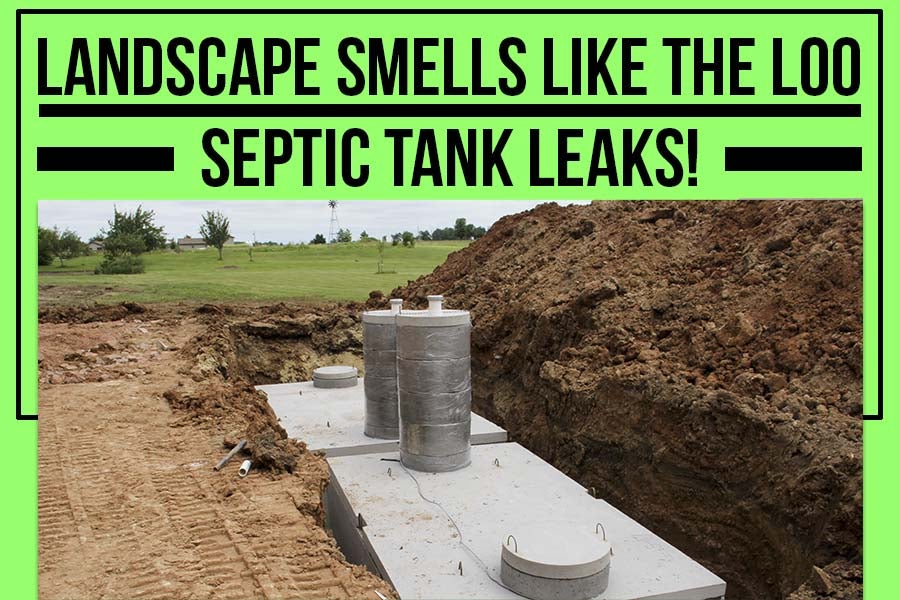
Key Takeaways: Septic tank leaks can occur due to overloading, poor maintenance, and worn-out parts. Leaks can cause various issues, including odors in the landscape and groundwater contamination. Excavation professionals are essential for adequately inspecting, repairing, and maintaining a septic tank leak. They are knowledgeable about industry standards and safety protocols for septic tanks. Investing in regular maintenance with excavation professionals is critical to avoiding costly repairs down the line. The last thing anybody wants is the stench of a septic tank leak in their yard. The distinctive, unpleasant smell can quickly turn your landscaping into an unwelcoming environment and hinder outdoor activities. Many property owners experience this at some point due to septic system malfunctions or blocked sewers. If you're a property owner who faces such issues, contact excavation experts at the earliest to get your septic tank maintenance done on time. However, knowing the causes behind this stinky mess and taking preventative steps will keep your landscapes fresh and help you avoid unpleasant smells. This blog post discusses why leaks occur and shares tips on identifying them before they become severe problems. What Are Septic Tanks, And Why Are They Used? Septic tanks are large, underground holding tanks that contain wastewater from homes and businesses. Natural biological processes break down the wastewater inside the septic tank. These tanks are commonly used when a property does not have access to municipal sewer systems or if the homeowner wishes to keep their sewage onsite. Causes And Effects of Septic Tank Leaks Septic tank leaks can occur for various reasons, including broken pipes, tank failure, cracked lids or bases, and the accumulation of sludge inside the tank. Leaking septic tanks can cause serious environmental problems. In addition to releasing noxious odors into your home or yard, leaking septic tanks can contaminate soil and groundwater with potentially hazardous chemicals and bacteria. Related: Is your septic tank harming or helping the environment? Where Do Septic Tank Leaks Occur? At Damaged Sewer Piping Points Leaks can occur in septic tanks and the drain field. This includes the area where wastewater is dispersed or at any spot along the underground piping used to transport sewage from your home. At The Sewer Line Entrance or The Effluent Line Leaving the Tank The most common septic tank leakage occurs at the entrance or effluent line leaving the tank. This type of leak often comes from a crack in the pipe or a joint that has come apart. Septic Tank Cover or Clean-Out Port Another common place for septic tank leakage occurs at the cover or clean-out port. This leak can be caused by corrosion of the cover or pipe, leaks from a damaged seal, or even increased water pressure in the tank. Damaged Plastic Septic Tanks or Fiberglass Tanks Septic tanks made of plastic or fiberglass can also be prone to leakage. These tanks are typically much thinner and more brittle than concrete septic tanks, so they can quickly become cracked or warped over time. Cracks In a Concrete Septic Tank Concrete septic tanks can also be damaged, leading to septic tank leakage. Over time, the concrete in a septic tank will gradually break down and become weaker, allowing cracks to form. These cracks can allow sewage and water to escape from the tank and contaminate nearby soil or groundwater. Excavation experts can inspect a septic tank for signs of damage and help to determine whether repairs are needed. If excavation is required, experts can safely dig around the septic tank and make necessary repairs or replacements. They will also be able to check for leaks in a septic tank using specialized leak test standards. What Are Septic Tank Leak Test Standards? Septic tank leak test standards are a set of measurements used to determine if a septic tank is leaking. Excavation experts measure the water level inside the tank and compare it to standard measurements. If the water levels exceed these standards, further excavation may be necessary to identify cracks or openings in the septic tank that allow water leakage. Once any cracks or holes have been identified, excavation experts can seal or repair them, thereby preventing future leaks. In addition to locating and repairing cracks in a septic tank, excavation professionals can help with septic tank maintenance. They can do this by cleaning out debris and residue that can accumulate over time and cause clogs or backups in the system. If not repaired promptly, septic tank leaks can cause various issues, such as soil erosion, contamination of drinking water, and damage to areas around the septic tank. Therefore, it is essential to take proper care and conduct regular septic system inspections to prevent these unwanted problems. How Often Do Septic Tanks Leak? The frequency of septic tank leaks depends on the age and condition and how often it is serviced. Generally speaking, septic tanks should be inspected every 3-5 years by professionals to identify any existing or potential problems. In addition, many municipalities require an annual leak test to ensure that all regulations are met. What Can You Do to Fix the Issue? Diagnose The Flooded Septic Tank Diagnose the tank to determine the exact cause of the leak. Excavation professionals can help you repair and patch up the septic tank if it's a crack. They can also use special tools like water pressure sensors to detect other septic tank leaks properly. Reasons To Hire Excavation Experts Suppose your septic tank needs excavation services. In that case, excavation experts can safely and efficiently carry out all the necessary septic tank maintenance tasks. These are required to keep your entire septic system functioning correctly. Furthermore, they know industry standards for septic tanks, including proper testing procedures and leak test standards. This ensures that the repairs are performed correctly and meet safety protocols. By having an excavation expert inspect and maintain your septic tank, you can help avoid costly repairs in the long run. With their expertise and knowledge, excavation professionals can adequately repair any leaks in the septic system and prevent future damage caused by a leaking tank. Dirt Werx LLC offers a vast range of excavation-related services in Nazareth, PA. With our vision, we will turn your construction vision into a reality. Get a free estimate today!

What are the risks of constructing without proper land grading.

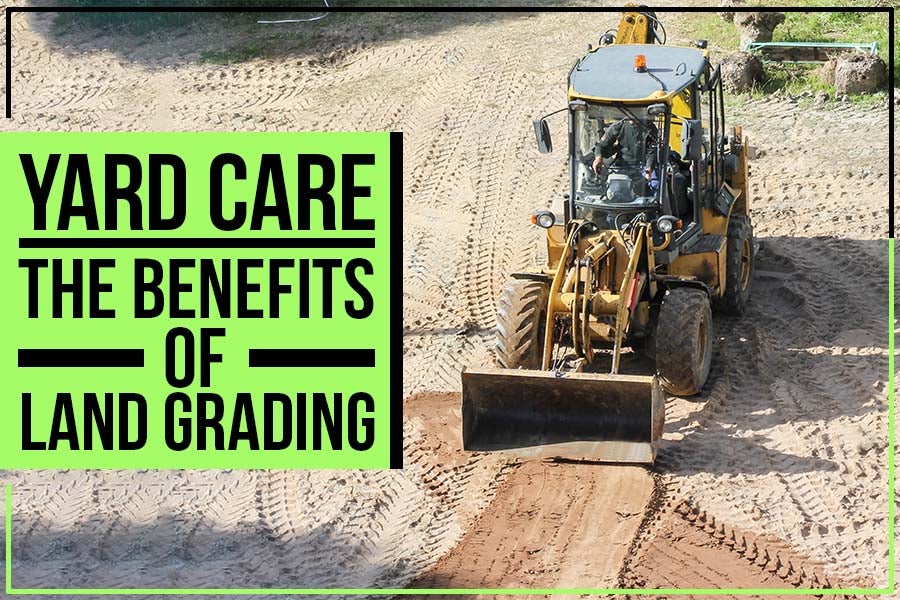
Is It Okay To Construct Without Land Grading?

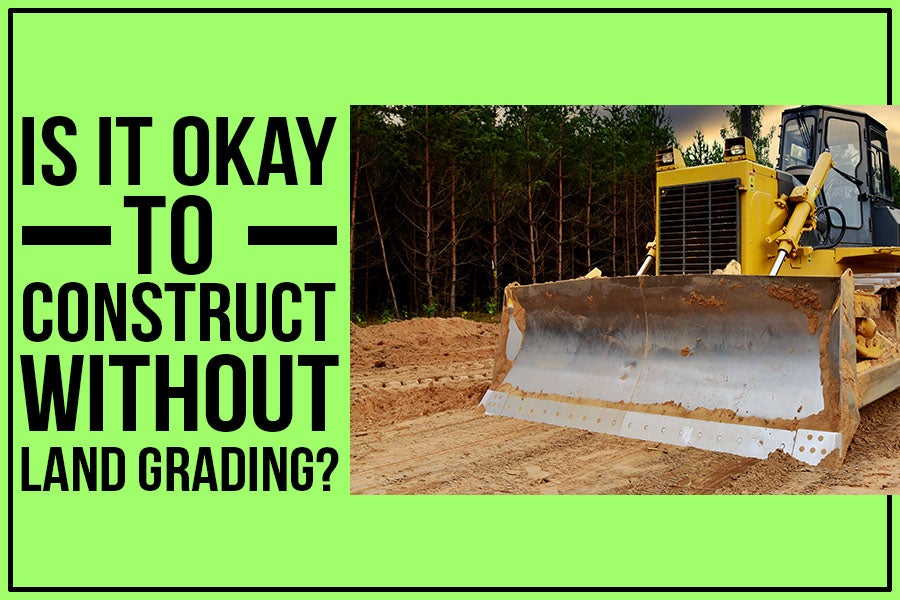
Key Takeaways: Grading is the process of smoothing out an area for construction. It involves removing, adding, and moving dirt to create a level surface. The primary purpose of grading is to ensure that whatever structure you're building has a stable foundation. With proper grading, your project can have a strong foundation, free of air pockets or other areas that could cause instability. Suppose the land is not graded, and certain areas are left with higher elevations. In that case, it could lead to flooding in other areas, eventually damaging whatever structure you’re building. Have you ever found yourself confronted with an important decision about a construction project? Do you have to decide whether land grading is necessary for the structure? Is it safe to construct without leveling out the area first? These are essential questions that many prospective builders need answers to, and today we'll explore the potential risks of needing to properly prepare the land before constructing. Construction experts at Dirt Werx LLC will look at what types of structures require professionals for proper grading and when it's all right to take on a challenge without these added complexities. It's time to educate ourselves on a critical task so that our projects stay safe and their foundations remain secure! Read on! What is Land Grading? It is the process of smoothing out an area for construction. It involves removing, adding, and moving dirt to create a level surface. Grading can also ensure that water runoff is adequately managed on the land. Generally, hiring professionals when taking up large projects is recommended, as they are experienced with calculating the exact depths needed in different areas. It typically begins by establishing a benchmark or reference point, such as a benchmark elevation, which is used to determine the desired grade or slope of the land. Next, the land is surveyed to determine the angle or slope. Any discrepancies between the existing and expected grades are identified. The process involves using heavy machinery, such as bulldozers, excavators, and grading equipment, to cut, fill, and level the earth to achieve the desired grade or slope. This process can be done manually or with the help of computer-controlled equipment, which allows for precise grading and leveling. What Does Land Grading Do? The primary purpose is to ensure that whatever structure you're building has a stable foundation. Without proper leveling, the ground underneath could be uneven or have air pockets which may cause movement or instability over time. Water management through grading is vital so that any built environment doesn't become vulnerable to flooding or water-related damage. Why is Grading Important? 1. Strong Foundation An important reason to ensure grading is done properly and accurately is that your project can have a strong foundation. It also frees any air pockets in the ground or other areas that could cause instability. 2. Protection From Damage Another important factor in grading is ensuring proper water management. Suppose the land is not graded correctly, and certain areas are left with higher elevations. In that case, it could lead to flooding in other areas, eventually damaging whatever structure you’re building. 3. Better Aesthetics Grading also helps provide better aesthetics for the area. When done properly, it can provide seamless transitions between different elevation levels, creating a visually pleasing look for any construction project. 4. Cost Savings One of the main advantages is that it can save you money in the long run. When done properly, it can reduce extra material being used in a construction project and help minimize any potential damage that could occur down the line. Also Read: Homeowner’s Guide: Differences Between Trenching & Excavation 5. Risk Reduction Suppose asphalt pavement isn't inspected and maintained regularly. The chances of premature failure increase significantly. You should perform regular maintenance such as seal coating, crack filling, pothole repair, and resurfacing to maintain the life of the pavement and reduce overall costs associated with repairs or replacements. Additionally, good maintenance practices will prevent more severe damage from occurring over time. It is important to note that grading can also hurt the environment if not done properly. It can cause soil erosion, sedimentation, and damage to natural habitats. For this reason, it is vital to have a professional contractor who is familiar with the local regulations and can ensure that the work is done in a way that is safe for the environment. Can You Construct Without Land Grading? Yes, it's possible to construct without grading, although it's not recommended in most cases. Since the purpose is to create a stable foundation and ensure proper water management, these tasks must be done correctly for any structure to stand over time. If the land is not graded properly, it could lead to issues down the road, such as instability or flooding. Therefore, it is best practice for all construction projects to include grading to lay a strong foundation and prevent future problems. Bottom Line In conclusion, while it is possible to construct without grading, professionals typically advise against doing so as it could lead to instability or flooding down the road. Proper land grading ensures the area is level, clears excess vegetation and rocks, and can help with water management. Therefore, it is highly recommended that all construction projects include grading to ensure a strong foundation for any structure. Get Your Land Graded The Right Way With Dirt Werx LLC! Looking for experienced land grading services to ensure your construction project is done correctly? Look no further than Dirt Werx LLC. We specialize in land clearing, rough grading, and other important aspects of land preparation in Macungie and nearby areas. Our team will work with you to discuss the details of your project and provide a feasible plan that meets your needs and budget. Our services include excavation, demolition, land clearing, and site preparation. Get in touch today to get a free estimate and learn more about how we can make your construction project safe and successful!

maintaining a horse arena. Dirt Werx

How To Maintain A Horse Arena?

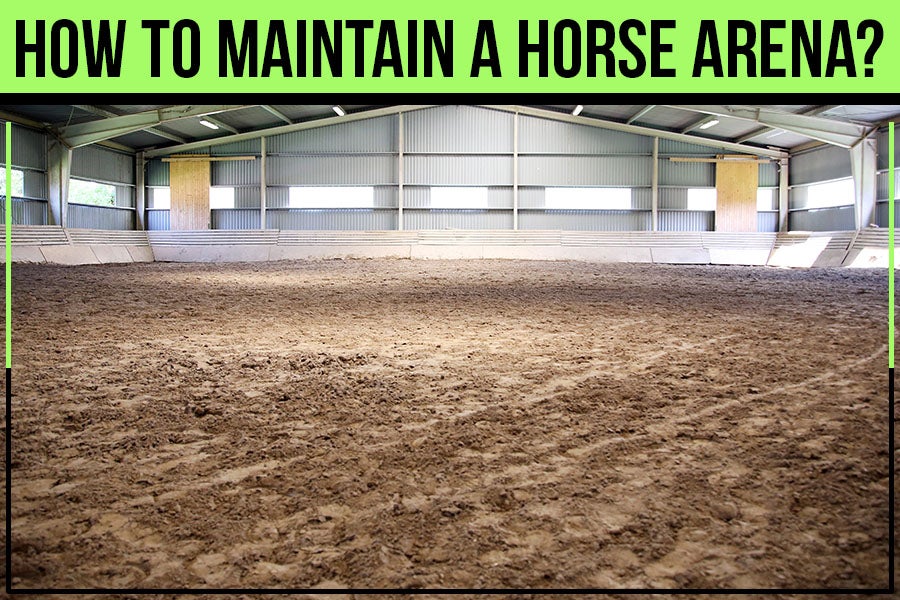
Key Takeaways: Footing sand and additives must be mixed throughout your horse arena's surface. In addition, it's essential to have the correct particle graduation for your horse arena footing. The arena should be groomed often to ensure the footing material is even and leveled. Regular inspections of your horse arena help you identify areas where additional maintenance might be necessary. Professionals can construct a quality, level surface that will work around obstacles or features in the horse arena. Maintaining a good riding arena is crucial to providing the best experience for horse riders. A muddy, rutted surface can lead to unhappy and frustrated horses, posing an increased risk of injury. That's why all aspects of the maintenance schedule must be followed correctly to keep your equestrian facility up to standard. Let's explore steps you should take when caring for your horse arena, including soil preparation, water management or installation, and more. Keeping Additives and Sand Mixed Footing Sand and Additives Footing sand and additives must be mixed throughout your horse arena's surface. The sand must remain blended with additives like rubber or synthetic fibers to maintain a healthy, safe, and consistent footing for your riders and horses. This blend creates a more stable base that helps keep dust levels low. Sand Particle Graduation In addition to having the right blend of sand and additives, it's essential to have the correct particle graduation for your horse arena footing. If the particles are too large, they can cause uneven surfaces or dislodged elements. If too much dust or silt is present, the horse arena footing may become overly loose. Arena Grooming The horse arena should be groomed often to ensure the footing material is even and leveled. You can use a harrow drag to break up clumps of material and remove debris that may have found its way into your horse arena surface. This grooming also helps smooth out any uneven spots in the ground material. You should hire experts as they understand the complexities of horse arena upkeep, arena grooming, and other excavation projects. Water The Horse Arena for Dust Control Installing An Irrigation System Irrigating a horse arena helps bind the particles, keeping the arena footing from becoming too dry or loose. Just be sure not to put excess water on the horse arena, as it can lead to mud and silt buildup, hurting the footing material. Installing Garden Hose Sprays If an irrigation system isn't an option for your horse arena, garden hose sprays are a great alternative. These can be set up to disperse water evenly throughout the arena surface, which helps control dust and creates a better environment for horses. For best results, it's recommended to use this method with regular maintenance, such as coring and grooming. This will help keep the footing material consistent so that your horse has a comfortable surface to perform on. Regularly rake or groom the surface of the horse arena. Raking or grooming is essential for maintaining the performance of your horse arena footing material. It helps reduce compaction, improves drainage and aeration, and helps keep the footing consistent. When raking or grooming, it's essential to spread the material evenly and remove any clumps or debris that could interfere with horse performance. Dragging Dragging the horse arena surface can keep the footing material uniform and consistent. It's essential to ensure that you use a drag harrow with the correct settings for your particular footing material. This helps keep the density of the surface material even and ensures optimal performance. Horse Arena Upkeep Schedule to Follow It's essential to have a regular upkeep schedule to ensure that the facility is well-maintained and safe for use. This will help you stay on top of potential problems before they become serious. Regular Inspection Regular inspections of your horse arena help you identify areas where additional maintenance might be necessary. These inspections should include a thorough check for any loose footing material, divots, excessive wear, or other signs of damage. It's also essential to inspect the fencing around the arena and ensure it is secure and in good condition. Weekly Inspection A weekly check of the arena is a great way to ensure everything looks good and functions properly. Inspecting the footing, fencing, lights, and other features will help you stay on top of any potential maintenance or safety issues. Additionally, any divots or holes in the riding surface can be filled in before they become significant problems. Yearly Inspection A yearly inspection should involve excavation experts who ensure the soil beneath the surface of the horse arena is stable and secure. They can also check for any signs of water damage or other structural problems that may have arisen over the past year. Horse Arena Maintenance Tips Here are some simple tips you can use to keep your horse arena in top shape: Clear debris like sticks, stones, leaves, and other objects that could cause injuries or tripping hazards. Check water drainage systems to ensure they are functioning correctly and not causing puddles or wet spots in some regions of the arena. Check the sand depth and quality, ensuring it is adequately maintained to provide a cushion for the horse's hooves while jumping or running in the arena. Regularly groom and level the arena's surface with a tractor, plow, or other suitable equipment to prevent dips and bumps that can cause injury to horses. Rake or drag between activities to spread out any footprints or tracks left by riders or animals using the arena. Are you looking for tips for hiring an excavation contractor? Read here. Reasons To Hire Professional Excavation Experts Excavation experts know precisely how to prepare a horse arena. They have the right equipment and skillset to ensure your horse's arena is ready for riding in the shortest amount of time while guaranteeing high-quality results. Additionally, excavation experts will be able to create a quality, level surface consistently and quickly. They will also be able to work around any existing obstacles or features in your horse arena that could hamper the excavation process. Finally, they also help maintain an even footing for your horse arena, helping prevent injuries due to dips or hills from walking on uneven surfaces. This is especially important for arenas where horses will jump, as these activities require stability. Dirt Werx LLC offers a vast range of excavation-related services in Easton, PA. With our vision, we will turn your construction vision into a reality. Get a free estimate today!

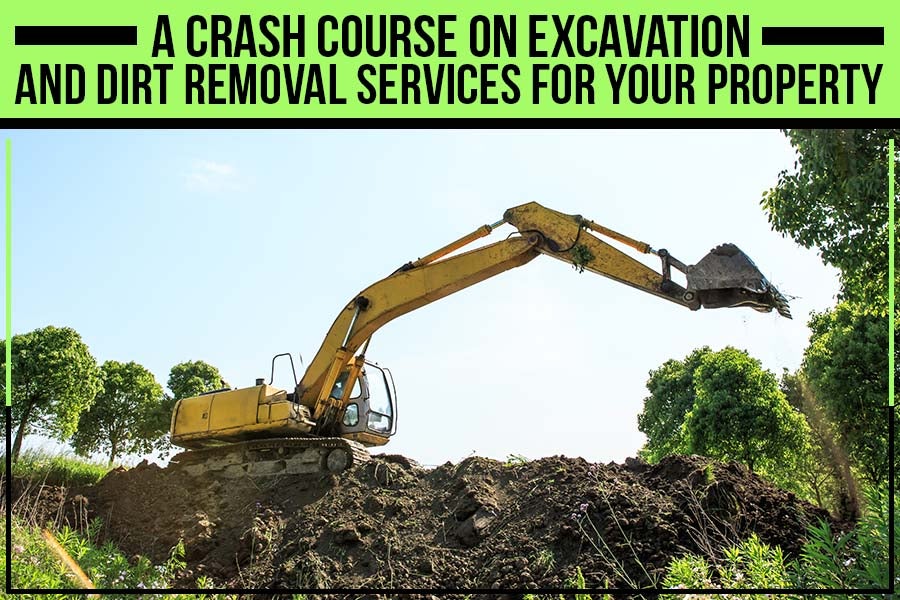
excavation and dirt removal services. Dirt Werx

A Crash Course On Excavation And Dirt Removal Services For Your Property

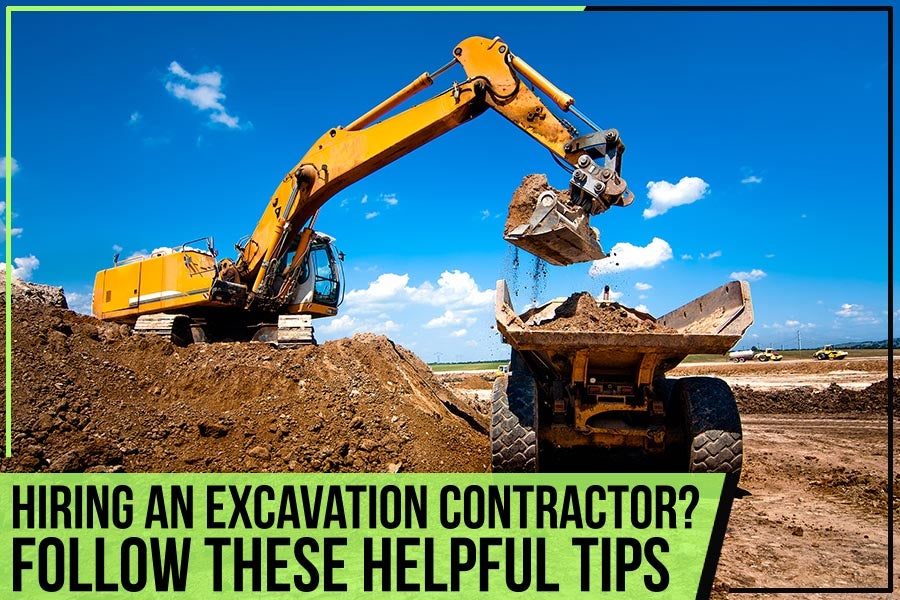
Key Takeaways: When looking for an excavation company, you should consider a few factors. First and foremost, make sure they are licensed and insured. Additionally, read reviews and ask for references from past clients. It’s also worth inquiring about their experience dealing with different projects. Research the type of work required for your project and ensure that the excavation company is well-versed in it before making a decision. Dirt Werx LLC offers excavation and dirt removal services to customers in Mount Bethel, PA, and the surrounding areas. When planning to construct a building, it helps to understand the various aspects of the construction process, such as excavation and dirt removal. However, since most people are not familiar with these aspects of construction, Dirt Werx LLC will give you a crash course in excavation and dirt removal services. We will discuss various aspects from the basics of what they are to considerations you need to make when choosing an excavation contractor. We'll also give you tips on getting the most out of your excavation service. What Are Excavation and Dirt Removal Services? Before understanding the importance of excavation and dirt removal services, you must first know what they are. Simply put, excavation is digging or cutting into the earth. It could be for various reasons, such as constructing a foundation for a building or installing drainage systems. Dirt removal services are essential because they help clear away all the dirt and debris that's been excavated. That's where a dirt removal service comes in handy. They have the experience and equipment to clear away all dirt and debris quickly and efficiently. Also, read our blog on knowing the difference between trenching and excavation. Benefits of Professional Excavation and Dirt Removal When it comes time to knock down that old shed, build an addition to your home or put in that new pool, you'll need a construction contractor. That's because excavation is a complex process best handled by experts. Why is professional excavation the best option? It ensures that the job is done safely and correctly. Construction contractors have the experience and knowledge to navigate the tricky terrain around your property, avoiding potential hazards and ensuring that the work is done efficiently. In addition, professional excavation often saves you time and money. By avoiding costly mistakes and working quickly and efficiently, construction contractor s can get the job done within your budget and on schedule. So if you're planning any major construction projects, call in the pros for excavation and dirt removal. How Are Excavation and Dirt Removal Services Different From Other Services? Excavation and dirt removal are services that often need clarification with other benefits. Many people think excavation is the same as demolition, but that is not true. Excavation is the careful and methodical removal of soil, earth, and other debris from a specific area. This service can be used for various reasons, including landscaping, construction, and more. On the other hand, dirt removal is the process of removing large amounts of soil or earth from a specific area. This service is often used in construction and landscaping projects when there is a lot of dirt to be moved. It can also clear a site for a new building or structure. These services are essential for anyone looking for work done on their property. It's important to know the difference between these services and the other services offered to get the best results for your project. Different Kinds of Excavation and Site Preparation Services 1. Site Clearing It involves removing vegetation, trees, brush, and other debris from a site in preparation for development. 2. Heavy Equipment Use Depending on the job, heavy equipment like loaders, bulldozers, and dump trucks can remove soil, rocks, and other materials. 3. Land Grading It is the process of leveling or smoothing the land for various purposes, such as minimizing water runoff or increasing usable area. 4. Earthwork It includes digging trenches, setting foundations, and ensuring proper drainage and preparation for construction afterward. 5. Excavation It is the digging out the soil to create an area suitable for building purposes. 6. Foundation Removal & Replacement If your existing foundation is cracked or otherwise damaged, it may need to be removed and replaced with a new one. No matter which service you choose, make sure that you hire an experienced construction contractor qualified to do the job properly and safely! Factors to Consider When Choosing an Excavation Company When looking for an excavation company, you should consider a few factors. First and foremost, make sure they are licensed and insured. This way, you have the assurance that they’re legitimate and have the necessary qualifications. Additionally, read reviews and ask for references from past clients. It is an excellent way to get real-life accounts of their work and what to expect when you hire them. A good company will be happy to provide you with a list of clients to whom they’ve previously offered services. It’s also worth inquiring about their experience dealing with different projects. Research the type of work required for your project and ensure that the excavation company is well-versed in it before making a decision. Ask them questions about the cost of their services, such as rental fees, labor costs, or any other additional charges, so that you can make an informed decision based on your budget. FAQs About Expert Excavation and Dirt Removal Here are some of the most commonly asked question about excavation and dirt removal: 1. What types of tools do you use? We use heavy equipment such as bulldozers, excavators, and trenchers to complete the job efficiently. 2. How long does the process take? It depends on the size of the property and the type of equipment being used, but most projects can be completed within a matter of days. 3. How much does it cost? Prices vary depending on how much work is needed, but you can typically expect to pay anywhere from a few hundred dollars to several thousand dollars. 4. Are there any safety precautions I should take? Yes, always make sure that you keep a safe distance away from any moving machinery or equipment during the excavation process. Click here to learn about trenching and excavation safety. Need Excavation and Dirt Removal Services in Mount Bethel, PA? So, if you need top-quality excavation and dirt removal services for your property, contact the experts at Dirt Werx LLC, serving Mount Bethel, PA. We'll be happy to help you get your property looking its best. Check out our services for your next project. Get a free estimate.

Contact Us

Fill out this form below and we'll contact you shortly
*Required Fields