Blog / Dirt Werx LLC Blog

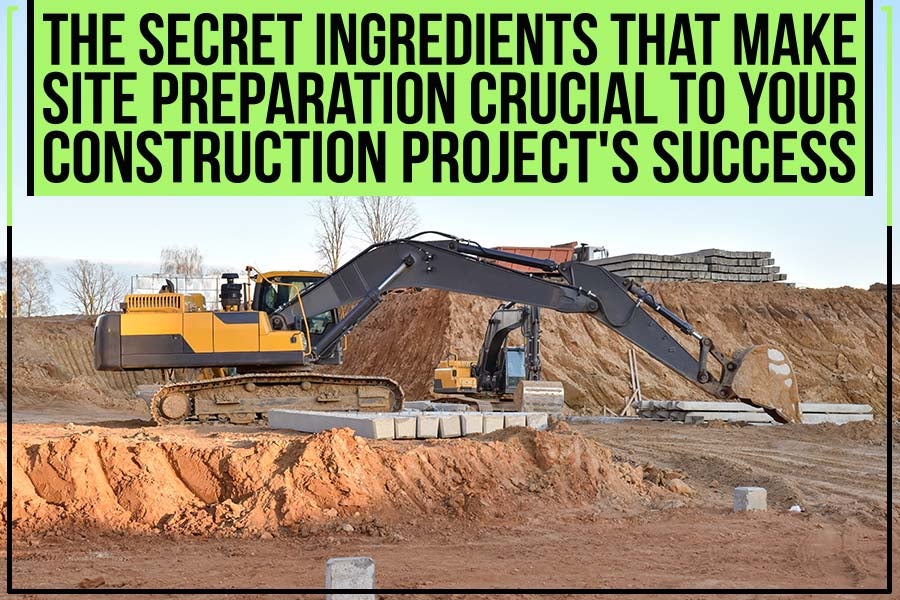
The Secret Ingredients That Make Site Preparation Crucial To Your Construction Project's Success

Site preparation is crucial to your construction project.

Many people think that the construction project starts when the ground is broken and sees a crane or bulldozer. However, site preparation goes much farther than just digging up dirt to create a foundation for your building. If you want to ensure that your construction project is successful, it's essential to prepare the site before breaking ground.

Why is site preparation crucial?

Preparing the site for your construction project is essential to ensure success. Site preparation takes time, but it should be a top priority if you want to see your project through all stages of completion. To save money on labor costs, or materials on your project in Nazareth, PA, get in touch with Dirt Werx LLC.

We have compiled 11 steps that will help improve your site preparations and give you better results in the long run.

11 Steps to Successful Site Preparation:

  1. Ensure that the site is graded correctly. This includes slopes, drainage, and soil compaction. If you don't do this step correctly, your foundation will be weak, and the rest of your construction project will suffer.
  2. Ensure proper drainage by grading slopes away from building structures to avoid water accumulation and damage.
  3. Compact the soil to provide a stable surface on which to build. This will help reduce settlement over time.
  4. The climate of the area where your construction project is taking place is a significant factor, as it will affect what kind of foundation you need to build. For example, if you are doing a project in an earthquake-prone area, you will need to create a foundation that can withstand seismic activity.
  5. You will need to clear away all the vegetation and topsoil from the construction site. Doing so will make it easier to grade the land, set foundations, and install utilities.
  6. Make sure there are no obstacles on-site, like power lines or gas pipes. A surveyor will help with this process by creating a plan for how your project should proceed based on their findings, including information about where utilities are located so that they're not accidentally disturbed during construction work.
  7. The surveyor can also provide other valuable services like surveying property boundaries and topographical maps.
  8. Obstacles like these can be costly to fix, so it's best to avoid them altogether by taking the time to prepare your construction site properly. You'll save yourself both time and money in the long run by doing so.
  9. Building a solid foundation is essential to support the weight of the structure and provide stability. Without this step, all other ones become irrelevant.
  10. Once the foundation is set, and the building is erected, it will be tough, if not impossible, to make changes to the layout or relocate utilities. So, take the time to do it right and avoid costly mistakes down the road.

The Gist

Construction sites are typically messy, chaotic places. But with the proper preparation, you'll have a better chance of making your project successful. If you have any queries regarding your construction site in Nazareth, PA, Dirt Werx LLC is here to help. Get a Free Estimate.

Posted in:

Related Posts

Understanding Land Clearing Costs.

Land Clearing Costs in Lehigh Valley, PA: What to Expect

When you're preparing your property for construction in the Lehigh Valley, one of the first major steps is land clearing. This crucial process involves removing trees, shrubs, rocks, and other obstructions from your land to create a clean slate for construction. However, before you can break ground, it's important to understand the costs associated with land clearing and what factors influence these expenses. Understanding Land Clearing Costs In PA The cost to clear land in Pennsylvania can vary significantly depending on several key factors. On average, land clearing prices per acre in Pennsylvania can range from a few hundred to several thousand dollars. Here’s what you need to know: more noteaser 2. Type and Density of Vegetation The type and density of vegetation on your property also impact the cost. Land covered in dense trees, thick brush, and large rocks will be more expensive to clear compared to a plot with sparse vegetation. If your property requires tree removal, stump grinding, or the clearing of particularly rocky terrain, you can expect the cost to rise. 3. Topography and Terrain The topography and terrain of your land can significantly influence the cost of land clearing. Flat land is generally easier and less expensive to clear, while hilly or uneven terrain requires more specialized equipment and labor, which can increase costs. 4. Debris Removal and Disposal After clearing the land, the debris must be removed and properly disposed of. This can include tree trunks, branches, rocks, and any other material cleared from the site. The cost of debris removal can add up, especially if large amounts of waste need to be transported off-site. 5. Permit and Inspection Fees In many areas, land clearing requires permits and may be subject to inspections. The cost of obtaining the necessary permits and ensuring compliance with local regulations should be factored into your overall budget. Failing to secure the proper permits can lead to fines or delays in your project. Allow Dirt Werx to guide you through these requirements. Estimating the Cost of Land Clearing Given these factors, the cost of having land cleared can range widely. As a rough estimate, you can expect to pay anywhere from $1,000 to $5,000 per acre, depending on the specific conditions of your property. It’s advisable to Get a Free Estimate from Dirt Werx LLC, to understand the range of costs and ensure you're getting a fair price for the work. Choosing the Right Contractor Selecting Dirt Werx for your land-clearing project is crucial to ensuring the job is done efficiently and within budget. We are excavation contractors with experience in the type of clearing your property requires, whether it’s simple brush removal or more complex excavation work. Click Here to Read our Google Reviews of our previous work. Conclusion Land clearing is an essential step in preparing your property for construction, but it comes with costs that vary depending on several factors. By understanding these factors, such as the property size, type of vegetation, terrain, and necessary permits, you can better estimate your land clearing costs and plan your budget accordingly. Always consult with experienced contractors and obtain multiple quotes to ensure you make informed decisions that set the foundation for a successful construction project. By being proactive and well-informed, you can manage land-clearing costs effectively and take the first step toward turning your property into the perfect site for your new construction. If you reside in the Lehigh Valley, Allentown area or anywhere in Eastern, PA Contact Dirt Werx Today!

9-consideration-when-choosing-the-right-retaining-wall-for-your-property. Dirt Werx.

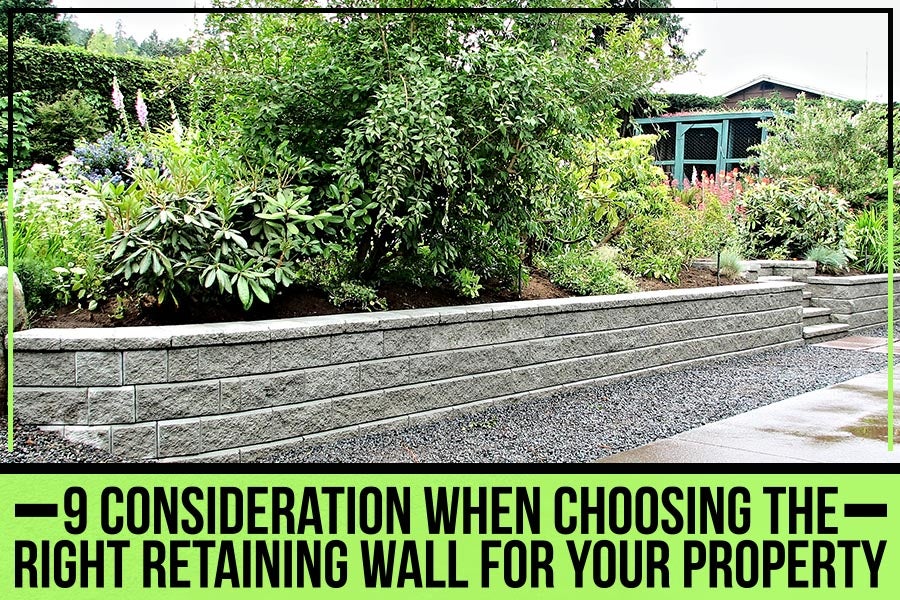
9 Consideration When Choosing The Right Retaining Wall For Your Property

The benefits of having a retaining wall are very clear. Not only does it beautify your property, but it also helps to keep landscaped terraces of soil in place and manage water runoff. With so many creative designs of retaining walls on the market, it can be challenging to determine the right one for you. In this blog post, we'll give you pointers on how to choose the right retaining wall for your needs. So, continue reading! 1. Location - The soil texture, slope, and drainage patterns are a few factors to consider when deciding on your retaining wall's location. A firm and well-drained soil offers maximum support to a retaining wall. 2. Type of Retaining Wall - There are multiple retaining wall types available in the market, like timber, concrete, brick, and stone walls. The selection depends on many factors, such as the purpose of the wall, height, and load-bearing capacity. 3. Size of Retaining Wall - The size of your retaining wall will be determined by its purpose. A smaller wall will suffice if you're looking to accent your landscaping. However, if you're looking to create more functional space or manage runoff from a larger area, you'll need a taller and broader wall. 4. Structural Support - Gravity alone will not be enough to hold the soil behind the retaining barrier. You'll need additional reinforcement methods to support the wall and ensure its longevity. 5. Drainage System - Water is the biggest nemesis of a retaining wall; you need to ensure the wall has a proper drainage system to avoid water damage. 6. Materials - You can use many materials for a retaining wall, and each offers unique benefits to go with factors like heat & precipitation – which can influence the soil. Work with a qualified retaining wall installer to choose the best material for your needs. 7. Maintenance and Repair - Even the best-built retaining walls will need regular maintenance and occasional repairs. Develop a foolproof plan to avoid these eventualities. 8. Consider the Purpose of the Retaining Wall – Are you looking to create unique outdoor living spaces? Improve your home's curb appeal? Protect your property from water damage? The retaining wall's purpose - why you need the retaining wall - will help determine the best material and style for your needs. 9. Durability - Retaining walls are subject to a lot of wear and tear, so choosing a material that can withstand the elements is essential. Some popular choices include concrete, stone, and brick. How Does Your Property Benefit From A Retaining Wall? Retaining walls can offer many benefits to your property. You can use them to create unique outdoor living spaces, increase your home's curb appeal, and improve the overall value of your property. When appropriately installed, retaining walls can also help to prevent soil erosion and protect your home from water damage. If you require a retaining wall for your property, Dirt Werx LLC is the company to call in Easton. Our excavation experts will help you choose the right retaining wall for your needs and install it quickly and efficiently. Contact us today for a free estimate on retaining walls installation!

Dirt-werx

Why Is Land Surveying Crucial To A Construction Project?

Key Takeaways: Boundary surveys, also known as property line surveys, are used to determine the exact boundaries of a property. Topographical surveys are used to map the physical features of a property, such as its elevation, contours, and existing features. One of the primary benefits of a land survey is that it provides accurate information about a property's various attributes. The soil's stability is essential for any building's foundation. Site preparation involves grading and ensuring the soil is compacted and stable. Land surveying is a crucial part of the construction industry. It provides the means to accurately measure, define, and map boundaries on land to establish precise locations of buildings and other structures. Land surveying is used for various applications, including engineering, construction planning, residential developments, boundary disputes, and resource management. Surveying can also provide invaluable data on topography, soil conditions, vegetation, and other natural features. The objective of surveying is to collect accurate data about the physical environment that can be used for various purposes, including creating maps, land development plans, property boundary disputes, and more. Land surveyors use advanced technology such as Global Positioning Systems (GPS) and Remote Sensing (RS) to measure and map land features. They then use this data to create detailed maps, drawings, and reports that are used as the basis for further analysis and decision-making. In this blog post, experts from Dirt Werx LLC will dive deep into the importance of land surveying in construction. We'll explore the types of commonly used surveys while discussing the benefits that each of these surveys offers to land developers. Types of Land Surveys Different types of surveys are used to gather information about a site. Each of these surveys serves a specific purpose and offers unique benefits to land developers. Boundary Surveys Boundary surveys, also known as property line surveys, are used to determine the exact boundaries of a property. These surveys are essential for resolving property disputes, determining the size and shape of a property, and identifying any encroachments or easements on the land. During a boundary survey, a land surveyor will thoroughly investigate the property's legal description and examine all relevant documents, such as deeds and plats. They will then physically measure and mark the property lines using specialized equipment and techniques. Topographical Surveys Topographical surveys, also known as land surveys, are used to map the physical features of a property, such as its elevation, contours, and existing features. These surveys are essential for determining the suitability of a site for construction, identifying any potential hazards or obstacles, and planning the development layout. During a topographical survey, a land surveyor will use specialized equipment and techniques to measure and map the property's physical features. Construction Staking Surveys Construction staking surveys mark the exact location of structures and other features on a construction site. These surveys are essential for ensuring construction is accurate and meets the required specifications. During a construction staking survey, a surveyor will use specialized equipment and techniques to mark the precise location of structures, utilities, and other features on the site. Also Read: 3 Things Your Site Preparation Contractor Wishes You Knew Benefits of Land Surveying Land surveys provide valuable information for land developers and are crucial for ensuring the success of a construction project. Accurate Property Lines One of the primary benefits of a land survey is that it provides accurate information about a property's boundaries. Understanding this information is important to settle property disputes, recognize intrusions or privileges, and ensure that a property is assessed and taxed accurately. Site Analysis Land surveys provide detailed information about the physical features of a property, including its elevation, contours, and existing features. This information is essential for site analysis and can help developers determine the suitability of a site for construction. By understanding the site's characteristics, developers can plan the development layout, identify potential hazards or obstacles, and ensure that the development meets all necessary specifications. Planning and Design Land surveys are also essential for planning and designing a construction project. By providing accurate information about a property's boundaries, physical features, and existing features, land surveys can help developers create detailed plans and designs for the development. This information is essential for ensuring the development meets all specifications and complies with local regulations. Construction Accuracy Land surveys are also crucial for ensuring construction accuracy. By marking the precise location of structures, utilities, and other features on the site, land surveys can help ensure that construction is accurate and meets all necessary specifications. This information is essential for avoiding costly mistakes, such as building structures in the wrong location or elevation. Legal Protection Finally, land surveys can provide legal protection for developers. They can help developers avoid legal disputes and ensure that the development complies with the necessary regulations by providing accurate information about a property's boundaries, physical features, and existing features. What To Look for When Hiring a Land Surveyor Hiring a land surveyor is an important decision that can impact your project's success. Therefore, knowing what to look for when hiring a land surveyor is essential. Qualifications and Experience When hiring a land surveyor, the first thing to consider is their qualifications and experience. You'll want to ensure that the surveyor you hire has the proper licensing and certifications required by your state or local government. Additionally, you should look for a surveyor with extensive experience in your project's specific type of surveying. Reputation and Reviews You can check the surveyor's reputation by asking for referrals from past clients, checking online reviews, and looking at their website for testimonials. A reputable surveyor will have positive reviews from satisfied clients and will happily provide references. Technology and Equipment The technology and equipment used by a land surveyor can make a significant difference in the accuracy and efficiency of the survey. Therefore, it's important to ask about the equipment and technology used by the surveyor you're considering. Look for a surveyor who uses the latest surveying equipment and software to ensure accurate and efficient surveying. Communication and Customer Service Effective communication and customer service are essential when working with a land surveyor. You'll want to hire a surveyor who is responsive to your needs, communicates clearly and effectively, and provides excellent customer service. A surveyor who takes the time to listen to your concerns and provides clear explanations of the surveying process and results will make your project run more smoothly. Dirt Werx LLC Has Site Preparation Experts to Help You with Your Project If you are planning a construction project in Easton, you must work with a reputable and experienced contractor who can help you with these critical aspects. At Dirt Werx LLC, we specialize in excavation, demolition, land clearing, and site preparation services. Our team of experienced site preparation experts has the knowledge and expertise to ensure that your site is correctly prepared for construction and that your project succeeds. Get a free estimate today.